The Risk, Fear, and Preparation Behind Free Solo
TL;DR
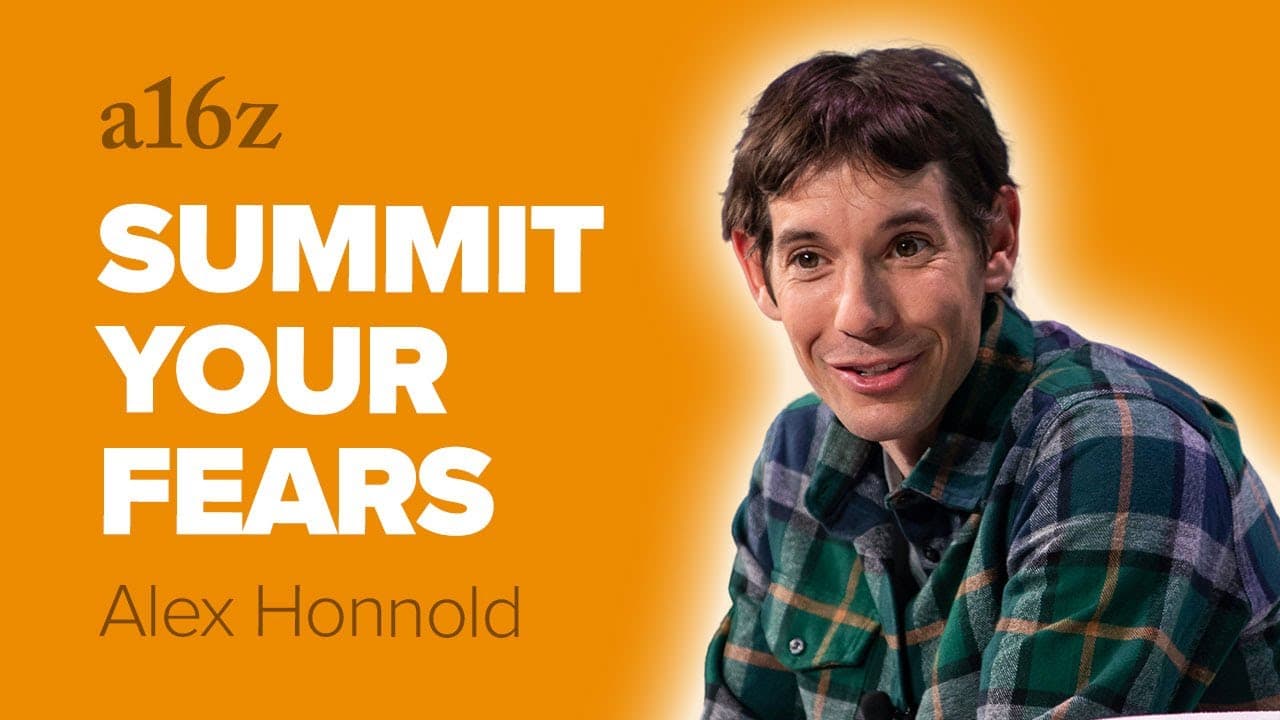
Free solo climbing involves significant risks that require extensive physical and mental preparation to ensure safety. Alex Honnold emphasizes that preparing for such climbs includes developing self-confidence, memorizing critical routes, and honing skills through training. His experience shows that effective risk management allows climbers to push boundaries while prioritizing safety and achievement.
Transcript
I wanted to share some photos never before seen photos and you can see them right on this slide here here's some ice climbing photos and this is Colorado Colorado here's a climbing another this is New Hampshire ice climbing video well and I just wanted to know like is this something that you're kind of into because that's not you that's me so you'l... Read More
Key Insights
- 🧗 Climbing has become more accessible through climbing gyms and indoor facilities, leading to more athletes focused on indoor climbing rather than outdoor adventures.
- 🥶 Free soloing is a niche and risky form of climbing that requires careful consideration and preparation, making it less likely to inspire unqualified climbers to attempt it.
- 🛟 Alex Honnold's philanthropy through the Honnold Foundation is guided by the belief that environmental projects should also improve the lives of the communities they serve.
- 🧗 Balancing personal happiness and achieving goals is a common struggle, whether in climbing or entrepreneurship.
Install to Summarize YouTube Videos and Get Transcripts
Explore YouTube Video Summarizer or Get YouTube Transcript Extractor
Questions & Answers
Q: Have you ever tried or considered ice climbing?
While Alex Honnold is primarily known for his rock climbing, he admits that ice climbing has always seemed too risky for him. It requires a different set of skills and poses its own dangers.
Q: What are some risks and challenges of ice climbing?
Ice climbing is known for being cold, painful, and dangerous. It requires specialized equipment and skills to navigate icy terrain. The sharp tools used in ice climbing can cause injuries if not handled properly.
Q: How did Alex prepare for his climb on El Capitan?
Alex emphasized the importance of physical, mental, and route-specific preparation. He focused on physical training, building confidence, and memorizing the moves required for the climb. The film "Free Solo" showcases his years of preparation leading up to the climb.
Q: Was Alex disappointed when he had a failed attempt at soloing El Capitan?
Yes, Alex was initially disappointed when he had to back off from a previous attempt to climb El Capitan. However, he used the experience to learn and improve his preparation. He later successfully climbed the wall.
Summary
This video features Alex Honnold, a climber known for his free solo climbs (climbing without ropes or safety equipment). He discusses his experiences with ice climbing, preparation for climbs, the balance between risk and reward, and his philanthropic work with solar energy through the Honnold Foundation.
Questions & Answers
Q: Are you interested in ice climbing?
Ice climbing has always been a little too risky for me, but I've found that professional climbers often have a different response to the challenge compared to amateurs.
Q: What is important about preparing for a climb like El Capitan?
Apart from physical fitness, mental preparation and route-specific memorization play a big role in preparing for a climb like El Capitan. The entire preparation process is a testament to the dedication and hard work needed.
Q: What is the physical preparation like for a climb?
Physical training for climbing involves becoming a strong rock climber, being physically fit, and being able to handle the volume of training required. It's similar to how athletes train for other sports.
Q: How do you mentally prepare for a climb?
Mental preparation involves building confidence, believing in oneself, and trusting in one's abilities. This aspect of preparation can be more nebulous and harder to quantify, but it is crucial for tackling challenging climbs.
Q: Can mental preparation be practiced and improved upon?
Absolutely. Part of mental preparation involves building up to the challenge by taking on similar climbs and gaining experience. In the case of El Capitan, Alex Honnold had done a series of pre-solo climbs to prepare himself mentally and physically.
Q: Did you face any setbacks or failures during your preparation?
Yes, Alex Honnold had a failed attempt at free soloing El Capitan prior to the successful climb featured in the film. This experience was disappointing but also provided valuable lessons for future attempts.
Q: How does motivation play a role in your climbing and life?
Alex Honnold believes in achieving things and doing them well. He has a drive to accomplish and make the most of his climbing career. In his view, a happy life is one that balances personal happiness and achieving something meaningful.
Q: How do you train when on the road or traveling?
Alex Honnold primarily trains in a climbing gym, but he does not engage in other forms of fitness training like running or yoga. His focus is on climbing itself, and he does some stretching and calisthenics in his room.
Q: Do you reveal your identity when visiting climbing gyms?
No, Alex Honnold tries to maintain a low-profile when visiting climbing gyms. He prefers to blend in, wear sunglasses, and keep to the back of the facility to avoid unnecessary attention.
Q: Is climbing a democratic sport that is accessible to everyone?
Yes, climbing is a democratic sport in the sense that everyone can use the same facilities and climb on the same rocks. Public lands, like the ones where El Capitan is located, belong to everyone and can be enjoyed by anyone interested in climbing.
Q: Does free soloing inspire others to attempt risky climbs without proper qualifications?
Alex Honnold believes that free soloing is actually becoming less popular among climbers. The majority of climbers focus on indoor climbing and other safer disciplines within the sport. Free soloing requires high skill, preparation, and a mindset that most beginners do not possess.
Q: How do you decide on the projects to support through the Honnold Foundation?
The Honnold Foundation supports solar energy projects for a more equitable world. Alex Honnold started by donating a third of his income to environmental projects, specifically focusing on solar energy. They partner with community organizations that are already involved in the work they want to support.
Q: Do you run into cultural differences or challenges when working with communities for your projects?
The Honnold Foundation primarily works with community organizations that are already doing the work they want to support. They ensure that the projects align with local needs and values. They have not faced cultural differences that hinder their work so far. They are now opening up their project selection process to allow more organizations to apply for support.
Q: How does living a simple lifestyle contribute to your philanthropic efforts?
Living a simple lifestyle allows Alex Honnold to give a third of his income to environmental projects through the Honnold Foundation. It enables him to prioritize supporting initiatives that improve communities and the environment. He believes in giving back and making a positive difference in the world.
Takeaways
Alex Honnold's video interview reveals insights into his experiences with ice climbing, preparation for challenging climbs, and his philanthropic work. He emphasizes the importance of physical and mental preparation, the balance between risk and reward, and the need to support projects that benefit both the environment and communities. The interview also highlights the impact of living a simple lifestyle and giving back to causes that make a positive difference.
Summary & Key Takeaways
-
Alex Honnold talks about his interest in ice climbing and discusses the physical and mental preparation required for such a risky sport.
-
He shares how his film, "Free Solo," highlighted the importance of preparation and the challenges he faced during his climb on El Capitan.
-
Honnold discusses his philanthropic work with the Honnold Foundation, focusing on supporting solar energy projects for a more equitable world.
Read in Other Languages (beta)
Share This Summary 📚
Summarize YouTube Videos and Get Video Transcripts with 1-Click
Try YouTube Summary with ChatGPT & Claude or YouTube Transcript Generator
Explore More Summaries from a16z 📚


Summarize YouTube Videos and Get Video Transcripts with 1-Click
Try YouTube Summary with ChatGPT & Claude or YouTube Transcript Generator