An Introduction to the Human Genome | HMX Genetics
TL;DR
The human genome comprises about 3 billion base pairs of DNA, with 99.9% genetic similarity among people contributing to vast diversity through just 0.1% variation. Individual genes influence traits like physical appearance and health conditions, while genetic diversity arises from single nucleotide variants (SNVs) and their polymorphisms (SNPs). Understanding these variations can improve insights into health and disease risk.
Transcript
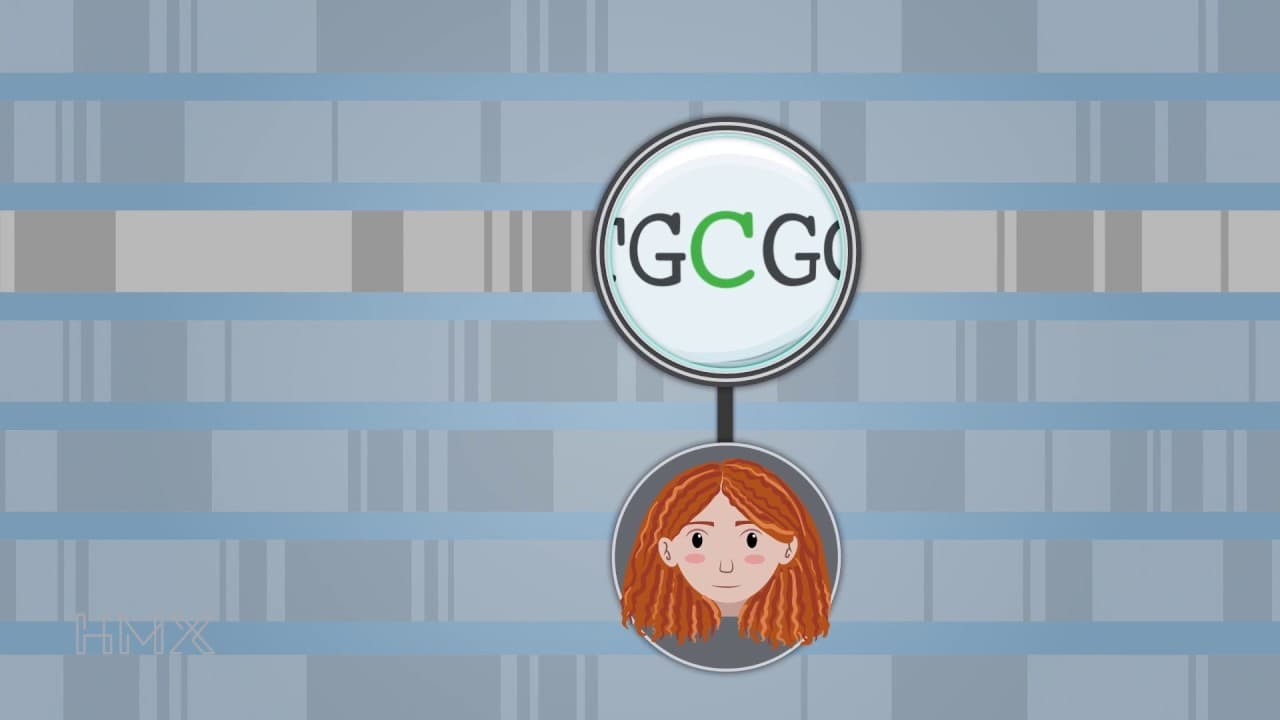
humans around the world have much in common but also enormous diversity some of the differences between each of us come from our environment and life experiences but our DNA plays an important role in determining our appearance our traits and our health there are thousands of genes in the human genome sequence changes in individual genes can determ... Read More
Key Insights
- 🖐️ DNA plays a crucial role in determining human appearance, traits, and health.
- 🧑🏭 Individual genes influence specific characteristics, while multiple genes, along with environmental factors, determine complex traits and disease risk.
- ❓ Humans are 99.9% genetically identical, with the remaining 0.1% accounting for millions of genetic differences.
- 🔂 Single nucleotide variants (SNVs) and single nucleotide polymorphisms (SNPs) contribute to genetic diversity.
- 🌥️ Genetic diversity arises from variations in SNVs and larger-scale sequence changes.
- 🧑⚕️ Understanding genetic variations helps explain the heritability of traits and the impact on human health.
- 🥰 Analyzing DNA can provide insights into disease risk for individuals and their loved ones.
Install to Summarize YouTube Videos and Get Transcripts
Explore YouTube Video Summarizer or Get YouTube Transcript Extractor
Questions & Answers
Q: How does our DNA determine our traits?
DNA contains thousands of genes that encode proteins responsible for various traits. Differences in individual genes can lead to different characteristics, such as eye color, ability to digest certain foods, or predisposition to certain diseases.
Q: What are single nucleotide variants and single nucleotide polymorphisms?
Single nucleotide variants (SNVs) are differences in a single DNA nucleotide at a specific position. If these SNVs occur in more than 1% of a population, they are called single nucleotide polymorphisms (SNPs). SNPs contribute to human genetic diversity and can affect traits and disease susceptibility.
Q: How is human genetic diversity maintained?
Genetic diversity arises from variations in SNVs and larger-scale sequence changes like insertions, deletions, and rearrangements. These changes, especially SNPs, are responsible for the richness of human genetic diversity at the population level.
Q: Can our DNA predict disease risk?
Yes, variations in genes can indicate an increased risk of certain diseases. By analyzing an individual's DNA, healthcare professionals can identify genetic markers associated with specific conditions, allowing for personalized preventative measures and treatments.
Summary
This video explores the role of DNA in determining human appearance, traits, and health. Despite the immense diversity among humans, we are 99.9% genetically identical. The video delves into the structure of DNA, the organization of genes, and the variations that contribute to genetic diversity.
Questions & Answers
Q: What are some factors that contribute to the differences among humans?
The differences among humans can be attributed to both our environment and life experiences, as well as our DNA. Our DNA plays a crucial role in determining our appearance, traits, and health.
Q: How many genes are there in the human genome?
There are thousands of genes in the human genome. Each gene can have sequence changes that influence various traits and characteristics.
Q: Can individual genes determine specific traits or characteristics?
Yes, individual genes can determine specific traits or characteristics. For example, genes can determine if we have freckles, can digest lactose, have wet or dry earwax, or are likely to have blue eyes. Genes can also be responsible for genetic disorders such as sickle cell anemia, cystic fibrosis, or Huntington's disease.
Q: How do genes interact with our environment to determine certain characteristics?
Multiple genes work together with our environment to determine characteristics such as hair and skin color, height, weight, blood pressure, and the risk of developing certain diseases like type 2 diabetes, depression, cancer, and autoimmune disorders.
Q: Despite the diversity, how genetically similar are humans?
Humans are 99.9% genetically identical. This means that the vast majority of our genetic makeup is the same across individuals.
Q: What is a DNA nucleotide composed of?
A DNA nucleotide is composed of sugar and phosphate groups, as well as one of four nitrogenous bases: adenine, thymine, guanine, and cytosine.
Q: How do the bases in DNA determine its sequence?
The bases in DNA (adenine, thymine, guanine, and cytosine) determine its sequence. The chemical properties of DNA allow bonds to form between the bases, creating a double strand with two hydrogen bonds between adenine and thymine, and three hydrogen bonds between guanine and cytosine.
Q: How are different types of human cells different in appearance and function?
Different types of human cells can be very different in appearance and function, despite containing the same genome. This is because they express different sets of genes, leading to variations in cellular characteristics.
Q: How is DNA organized within the cell?
DNA is first coiled into a helix structure and then wrapped around histone proteins to form nucleosomes. These nucleosomes can further coil and wind together to create a compact structure called a chromosome. Humans typically have 46 chromosomes, with 23 coming from each parent.
Q: How is the expression of genes regulated?
The transcriptional machinery regulates the expression of approximately 20,000 genes. These genes, which account for less than 2% of all genomic DNA, encode the proteins necessary for building and functioning a human cell.
Takeaways
Understanding DNA and genetics allows us to grasp concepts like heritability and genetic variation, which are essential in studying human health and disease. Despite being 99.9% genetically identical, individuals can have around 3 million differences across their genomes, with approximately one difference per gene. These differences, known as variants, contribute to the richness of human genetic diversity. Furthermore, genetics can shed light on how genes influence traits, the effects of variants on our lives, and the potential for using genomic information to enhance medical care.
Summary & Key Takeaways
-
Our DNA determines our appearance, traits, and health, with individual genes influencing characteristics like freckles, lactose tolerance, and eye color.
-
Multiple genes, along with environmental factors, determine more complex traits such as hair and skin color, height, weight, blood pressure, and disease risk.
-
Despite these potential differences, humans are 99.9% genetically identical, with the remaining 0.1% corresponding to approximately 3 million genetic differences.
Read in Other Languages (beta)
Share This Summary 📚
Summarize YouTube Videos and Get Video Transcripts with 1-Click
Try YouTube Summary with ChatGPT & Claude or YouTube Transcript Generator
Explore More Summaries from Harvard University 📚





Summarize YouTube Videos and Get Video Transcripts with 1-Click
Try YouTube Summary with ChatGPT & Claude or YouTube Transcript Generator