How to Make Fresh Pasta Primavera at Home
TL;DR
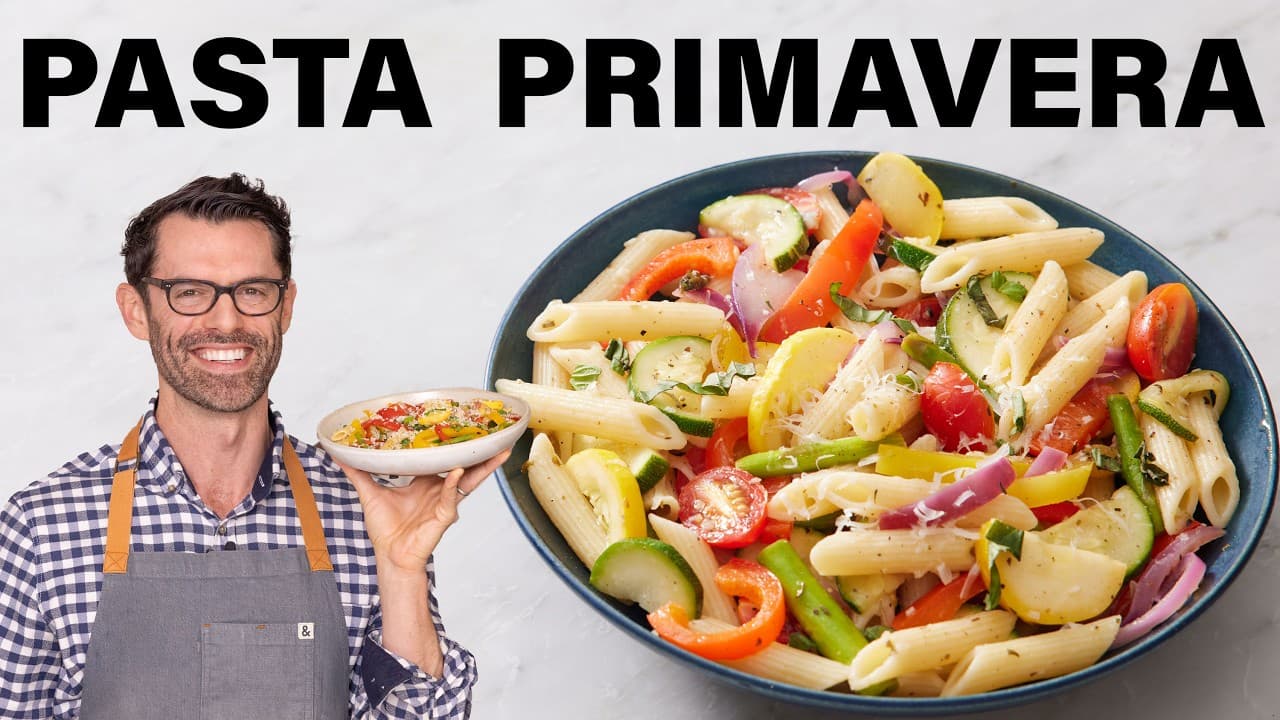
Pasta primavera is prepared by boiling al dente pasta and tossing it with a hot vegetable medley cooked in olive oil and garlic. Finish with lemon juice, reserved pasta water, butter, parmesan, and fresh tomatoes for a bright, springy dish. The technique emphasizes careful sautéing to keep vegetables crisp and flavors vibrant.
Transcript
- Hey, I'm John Kanell, and today on Preppy Kitchen we're making a fresh and delicious pasta primavera. So let's get started. First off, grab a large pot. We're gonna fill it with water and bring it to a boil. Put that over a medium-high heat. Add a tablespoon or so of salt. This is a very delicate dish and your pasta needs to have some flavor. It ... Read More
Key Insights
- Pasta primavera starts with a well salted boiling pot of water to flavor the pasta from the inside out.
- The vegetables are sautéed in a hot pan with olive oil to achieve crisp tender textures rather than mushy results.
- Garlic is added with the vegetables to impart a strong aromatic base without burning.
- A reserve of half a cup of pasta water is kept to emulsify the sauce and help it cling to the pasta.
- Butter is added at the end to enrich the sauce and improve mouthfeel.
- Lemon juice is incorporated to brighten the dish and balance the vegetables and fat.
- Grape tomatoes are cut in half and added raw to preserve their sweetness and color.
- Parmesan and basil are garnishes that finish the dish with aroma and depth.
Install to Summarize YouTube Videos and Get Transcripts
Explore YouTube Video Summarizer or Get YouTube Transcript Extractor
Questions & Answers
Q: How to start making this pasta primavera step by step
To begin, bring a large pot of water to a boil and add salt to flavor the pasta. While waiting, chop and prep the vegetables including red onion, bell peppers, asparagus, squash, and zucchini. Heat olive oil in a large skillet until shimmering, then start sautéing the onions for two minutes, followed by the other vegetables in stages. This creates a base of crisp tender vegetables ready to be combined with the pasta.
Q: What is the role of pasta water in this recipe
Pasta water is reserved before draining the pasta, about half a cup. It contains starch from the pasta and salt, which helps emulsify the sauce later. When added back into the dish with the butter, it creates a silky, cohesive coating on the pasta and vegetables, improving mouthfeel and binding flavors together.
Q: Why is it important to cook vegetables to be crisp tender
Cooking vegetables to crisp tender preserves their color, texture, and flavor. In this recipe, the vegetables are stirred frequently and cooked for short intervals so they remain vibrant and slightly firm rather than wilted or mushy. This balance provides a more dynamic bite and prevents bland results in the final dish.
Q: Can I alter the vegetables in the recipe
Yes, you can customize the vegetables based on what you have available. The base includes onion, peppers, asparagus, squash, and zucchini, but the instructor notes that spinach or arugula could be wilted at the end for extra green, and other vegetables can be substituted to suit taste or seasonality.
Q: What dairy and fat components define the sauce
The sauce relies on two tablespoons of butter melted into the hot pasta, enhancing mouthfeel and flavor. Olive oil provides the base for sautéing, and a touch of butter combined with the pasta water forms a light, emulsified sauce that coats the noodles and vegetables.
Q: What role do tomatoes play in the finished dish
Grape tomatoes are added raw and halved to keep their sweetness and bright color. They do not need cooking, preserving their fresh quality in the final dish. Their contrast with warm, savory elements adds a pop of sweetness and acidity that brightens the overall flavor.
Q: How do lemon juice and Parmesan influence the flavor profile
Lemon juice is added to brighten the dish and contrast the richness of the butter and oil, giving a fresh citrus note that complements the vegetables. Freshly grated Parmesan provides a salty, nutty finish that enhances the depth of flavor and adds a creamy, savory finish.
Q: What is the suggested serving suggestion and commentary
The dish is finished with a sprinkle of fresh basil and grated Parmesan, then plated and enjoyed as a light yet satisfying spring meal. The video emphasizes the crisp texture of vegetables, the al dente pasta, and the balance of lemon, butter, and Parmesan to create a bright, flavorful dish.
Summary & Key Takeaways
-
A colorful spring pasta dish blends tender vegetables with al dente pasta and a light lemon butter sauce, finished with Parmesan and basil for brightness.
-
The recipe prioritizes salt in the cooking water, the right pan heat, and the reserved pasta water to bind the sauce and create a silky texture.
-
Tomatoes are added at the end to stay fresh and vibrant, while optional greens like spinach or arugula can be wilted to vary the dish.
Read in Other Languages (beta)
Share This Summary 📚
Summarize YouTube Videos and Get Video Transcripts with 1-Click
Try YouTube Summary with ChatGPT & Claude or YouTube Transcript Generator
Explore More Summaries from Preppy Kitchen 📚




Summarize YouTube Videos and Get Video Transcripts with 1-Click
Try YouTube Summary with ChatGPT & Claude or YouTube Transcript Generator