What Happens to Your Brain During Isolation?
TL;DR
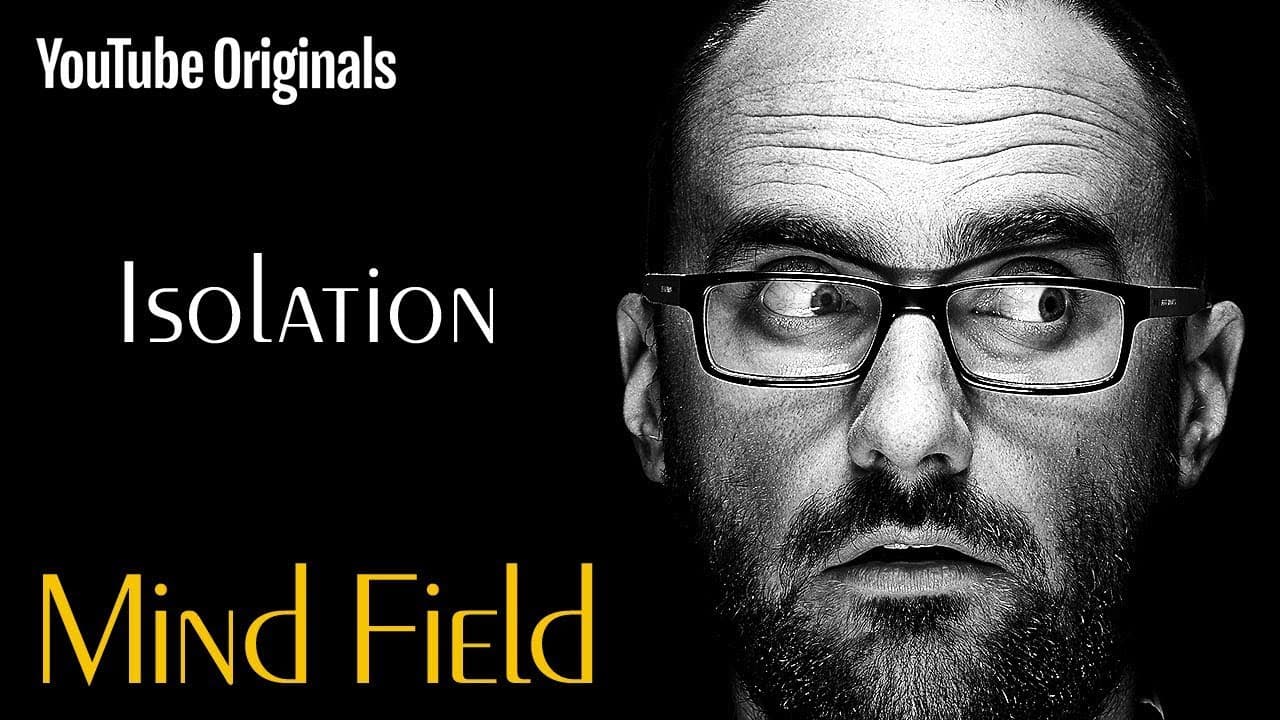
Extended isolation can lead to significant mental decline and even brain damage, as the brain craves stimulation. Experiments show people prefer physical pain over boredom, highlighting the extreme lengths to avoid a lack of engagement. Sensory deprivation affects circadian rhythms and cognitive abilities, making self-stimulation through counting or reflecting on memories essential for maintaining mental health.
Transcript
imagine being confined to a 10 by 10 foot room in complete isolation no timekeeping devices no phones no books nothing to write on no windows psychologists say that fewer than three days in a room like this can lead to brain damage I will be staying in this room for three days clearly he's on the border of misery even in a city surrounded by people... Read More
Key Insights
- 💨 Boredom is an emotion that pushes us away from low-stimulus situations and towards greater challenges.
- 🖤 People will choose physical pain over boredom, indicating the aversion to lack of stimulation.
- 🎖️ Sensory deprivation experiments have been used for both military training and recreational purposes.
- 🥺 Isolation can disrupt circadian rhythms and lead to cognitive decline.
- 💨 Counting, physical exercise, and engaging in memories are common ways to self-stimulate during isolation.
- 🧑⚕️ Isolation, especially in harsh conditions like solitary confinement, can have long-lasting effects on mental health.
- 🥺 Isolation from both stimuli and social interactions can be challenging and can lead to hallucinations and disorientation.
Install to Summarize YouTube Videos and Get Transcripts
Explore YouTube Video Summarizer or Get YouTube Transcript Extractor
Questions & Answers
Q: What is the difference between boredom and disgust?
Boredom and disgust are different intensities of the same emotion, with boredom being a less intense form of disgust. They both push us away from low-stimulus situations.
Q: How does the brain react to isolation and lack of stimulation?
The brain thrives on stimulation and variety. Lack of stimulation can lead to neurogenesis, or brain cell growth. Isolation can lead to negative effects on the brain, including hallucinations and cognitive decline.
Q: Why do people engage in sensory deprivation and isolation experiments voluntarily?
Some people choose isolation to learn about themselves and explore their inner thoughts. Others may have specific goals, such as preparing for space travel or finding ways to cope with extreme conditions.
Q: How does isolation affect mental health?
Isolation can lead to feelings of loneliness, boredom, and even depression. Extended periods of isolation can have a significant impact on mental well-being, including changes in sleep patterns and hormone levels.
Summary & Key Takeaways
-
Isolation, even for a few days, can lead to brain damage and other negative effects.
-
People will go to great lengths to avoid boredom, even choosing physical pain over it.
-
Sensory deprivation and isolation experiments have been conducted since the 1930s, revealing the impact on mental and physical well-being.
Read in Other Languages (beta)
Share This Summary 📚
Summarize YouTube Videos and Get Video Transcripts with 1-Click
Try YouTube Summary with ChatGPT & Claude or YouTube Transcript Generator
Explore More Summaries from Vsauce 📚

Summarize YouTube Videos and Get Video Transcripts with 1-Click
Try YouTube Summary with ChatGPT & Claude or YouTube Transcript Generator