Lecture 3, Before the Startup: Why Does Startup Advice Feel Wrong? (Paul Graham)
TL;DR
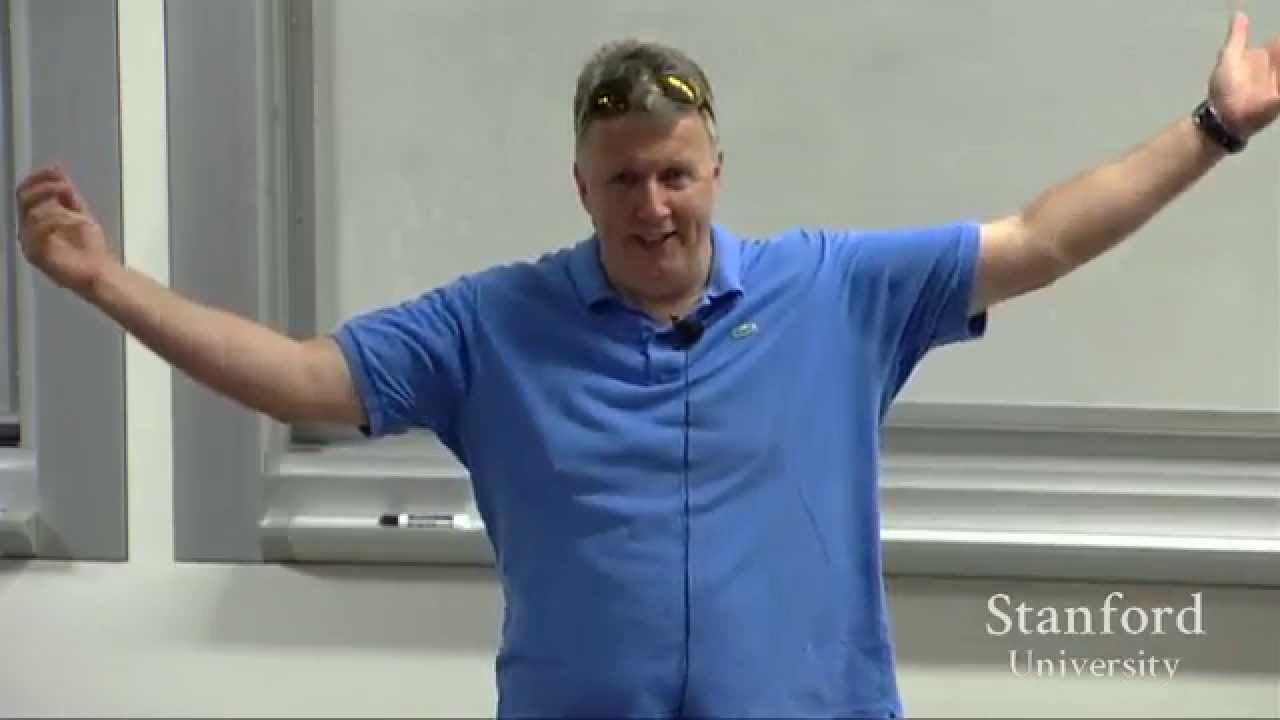
Startup advice often feels wrong because startups are counterintuitive, so a founder’s first instinct can lead them astray. Paul Graham compares startup judgment to learning to ski: beginners must suppress the impulse to lean back and instead remember specific rules. The key exceptions are judgments about people and knowledge of users, which explains why founders should read on for practical guidance about collaborators, growth, and avoiding “playing house.”
Transcript
That short. Like, long introductions are no good. Sam knows. Alright, ready, everybody? I'm not gonna ask if the mic is working like in every talk so far. I'll just assume it's working. >> No! >> No, fuck! >> All right, well make it work somebody. >> It works, it works ... Read More
Key Insights
- Startups are counterintuitive in the way skiing is counterintuitive: your first impulse when you want to slow down on skis is to lean back, which sends you down the hill out of control, so part of learning is suppressing that instinct.
- The single most useful thing to remember is that startups are so weird that following your instincts will lead you astray. Even that one fact makes you pause before making a mistake, which is often enough.
- Founders persistently ignore advice because counterintuitive ideas contradict their intuitions and therefore seem wrong. Y Combinator partners joked that their function was to tell founders things they would ignore, batch after batch.
- Intuitions about people are the exception and can be trusted. A big founder mistake is not trusting those intuitions enough, meeting someone impressive but troubling, ignoring the misgivings, then saying later that they knew something was wrong.
- Engineers often assume business is supposed to be slightly distasteful, so they excuse smart but distasteful people as normal for business. Pick collaborators the way you would pick friends, people you genuinely like, respect, and have known long enough.
- What you need to succeed is not expertise in startups but expertise in your own users. This makes a startup class unlike a French class, where doing the work teaches you the thing you actually need.
- Playing house is the Y Combinator name for going through the motions: a plausible sounding idea, funding at a nice valuation, an office in Soma, friends hired, and neglect of the one essential thing, making something people want.
- Growth hacks should be mentally translated to bullshit. The way to make a startup grow is to make something users really love and then tell them about it, and the way to convince investors is to be growing fast and say so.
Install to Summarize YouTube Videos and Get Transcripts
Explore YouTube Video Summarizer or Get YouTube Transcript Extractor
Questions & Answers
Q: Why does startup advice often feel wrong when you first hear it?
Counterintuitive advice contradicts existing intuitions, so it naturally seems wrong and invites founders to ignore it. Graham says Y Combinator partners repeatedly warned founders about mistakes, only for those founders to return a year later wishing they had listened.
Q: How is starting a startup like learning to ski?
A beginner skier instinctively leans back to slow down, but that can send them downhill out of control. Likewise, founders must suppress unreliable impulses and remember counterintuitive rules until better habits develop.
Q: What is the most important thing to remember about startups?
Remember that startups are strange enough that following your instincts can lead you astray. Even if this rule does not supply the correct decision, it may make you pause before committing a mistake.
Q: When should founders trust their instincts?
Graham says founders can trust their instincts about people because their previous human interactions resemble those they will have in business. Founders often sense that something is wrong with an impressive person, ignore the feeling, and regret it after the relationship breaks down.
Q: How should founders choose the people they work with?
Choose collaborators as you would choose friends: work with people you genuinely like and respect. You should also know them long enough to be confident, because some people seem likable only until your interests conflict.
Q: Why might engineers tolerate distasteful business partners?
Engineers may assume business is inherently somewhat distasteful and therefore excuse smart people who make them uneasy. Graham rejects that assumption and advises applying the same personal standards used when choosing friends.
Q: What expertise do founders actually need to succeed?
Founders need expertise in their own users, not expertise in startups. Mark Zuckerberg is presented as someone who lacked startup know-how but succeeded because he understood his users very well.
Q: What should founders do instead of relying on growth hacks or “playing house”?
They should make something users really love and then tell people about it. Activities such as adopting the appearance of a startup, pursuing funding, or hiring friends do not replace the essential work of making something people want.
Summary & Key Takeaways
-
Paul Graham frames the talk as the advice he would give his own kids about startups if they were in college. The core theme is that startups are counterintuitive, an area where you cannot trust your intuitions all the time, and the talk is presented as the beginning of a list of counterintuitive things to remember.
-
The skiing analogy anchors the argument: new skiers instinctively lean back to slow down and end up flying downhill out of control, so learning means suppressing instinct and holding a list of rules in mind. Y Combinator functions as business ski instructors, warning founders about mistakes they then ignore and regret a year later.
-
People are the exception to distrusting instinct. Founders should work with people they genuinely like and respect and have known long enough to be sure, because many people are good at seeming likeable for a while, and you only see the truth once interests are opposed.
-
The second point is that success requires expertise in your own users, not expertise in startups. Zuckerberg incorporated Facebook as a Florida LLC and probably does not know the mechanics of raising an Angel round, yet succeeded because he understood his users very well.
-
Young founders default to playing house because school trained them to game artificial measures, the way Graham studied for exams by predicting the questions rather than mastering the material. They ask how do I, and partners answer with just: make something users really love, then tell them about it.
Read in Other Languages (beta)
Share This Summary 📚
Summarize YouTube Videos and Get Video Transcripts with 1-Click
Try YouTube Summary with ChatGPT & Claude or YouTube Transcript Generator
Explore More Summaries from YC Root Access 📚



Summarize YouTube Videos and Get Video Transcripts with 1-Click
Try YouTube Summary with ChatGPT & Claude or YouTube Transcript Generator