Why Is Scapegoating More Common on the Internet?
TL;DR
Scapegoating is increasingly frequent online as individuals seek common enemies in a polarized environment. The internet fosters this behavior by encouraging sensationalism and quick judgments, often leading users to align with popular narratives without critical thought. This phenomenon is exacerbated by the rapid pace of social media, which amplifies outrage and misinterpretation of content.
Transcript
so if i'm tweeting out something that is like touching the line but not crossing it that's the whole goal is just to kind of mock a situation or satirize it god it's such a dark thing that we're always going to be looking for that new scapegoat with the internet the need for a scapegoat is considerably more frequent has there ever been a point wher... Read More
Key Insights
- 👯 Scapegoating is a prevalent phenomenon on the internet, with people often seeking a common enemy to unite against.
- ❓ Media outlets contribute to the scapegoating culture by sensationalizing stories and generating clickbait headlines.
- 😀 Artists and content creators face a dilemma regarding their responsibility for the impact of their work on the audience.
Install to Summarize YouTube Videos and Get Transcripts
Explore YouTube Video Summarizer or Get YouTube Transcript Extractor
Questions & Answers
Q: How does the need for scapegoating manifest in online communities?
Online communities frequently target individuals or groups, holding them responsible for various issues. This behavior is often driven by a desire to find a common enemy and unite against it.
Q: Is there a significant impact of media and clickbait culture on scapegoating?
Media outlets often sensationalize stories and amplify controversies, which encourages people to participate in scapegoating. Clickbait headlines further fuel the desire for a scapegoat and attract more attention.
Q: Is there any responsibility for artists, such as musicians and YouTubers, regarding the influence of their content?
While some argue that artists should bear responsibility for the impact of their work, others believe that it ultimately falls on the listener or viewer to interpret and respond to the content. However, artists should still be mindful of their influence and the potential consequences of their work.
Q: How does the younger generation's exposure to the internet affect their ability to form judgments and discern between right and wrong?
The constant exposure to online negativity and the absence of real-life consequences can hinder the younger generation's ability to develop a reliable moral compass. This lack of real-world experience can make it challenging for them to differentiate between genuine threats and exaggerations.
Summary & Key Takeaways
-
The internet's need for a scapegoat is increasing, leading to frequent instances of scapegoating individuals or groups.
-
People in online communities often lack introspection and might follow the narrative without questioning it.
-
Online platforms, such as Twitter and YouTube, can be quick to ban or suspend users for content that is deemed controversial or critical.
-
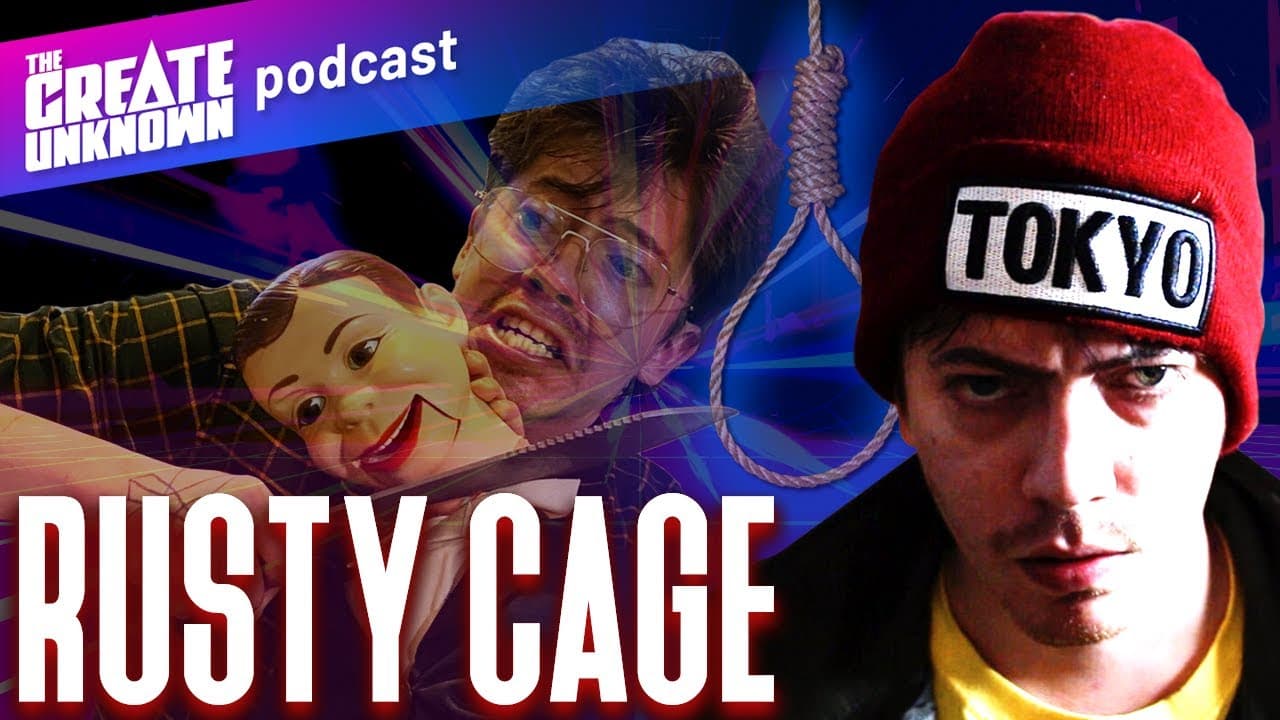
Rusty Cage, a YouTuber and musician, has faced scrutiny for his content but believes it is essential to resist the negativity prevalent on social media.
Read in Other Languages (beta)
Share This Summary 📚
Summarize YouTube Videos and Get Video Transcripts with 1-Click
Try YouTube Summary with ChatGPT & Claude or YouTube Transcript Generator
Explore More Summaries from The Create Unknown 📚




Summarize YouTube Videos and Get Video Transcripts with 1-Click
Try YouTube Summary with ChatGPT & Claude or YouTube Transcript Generator