How to Embrace Change for a Better Life
TL;DR
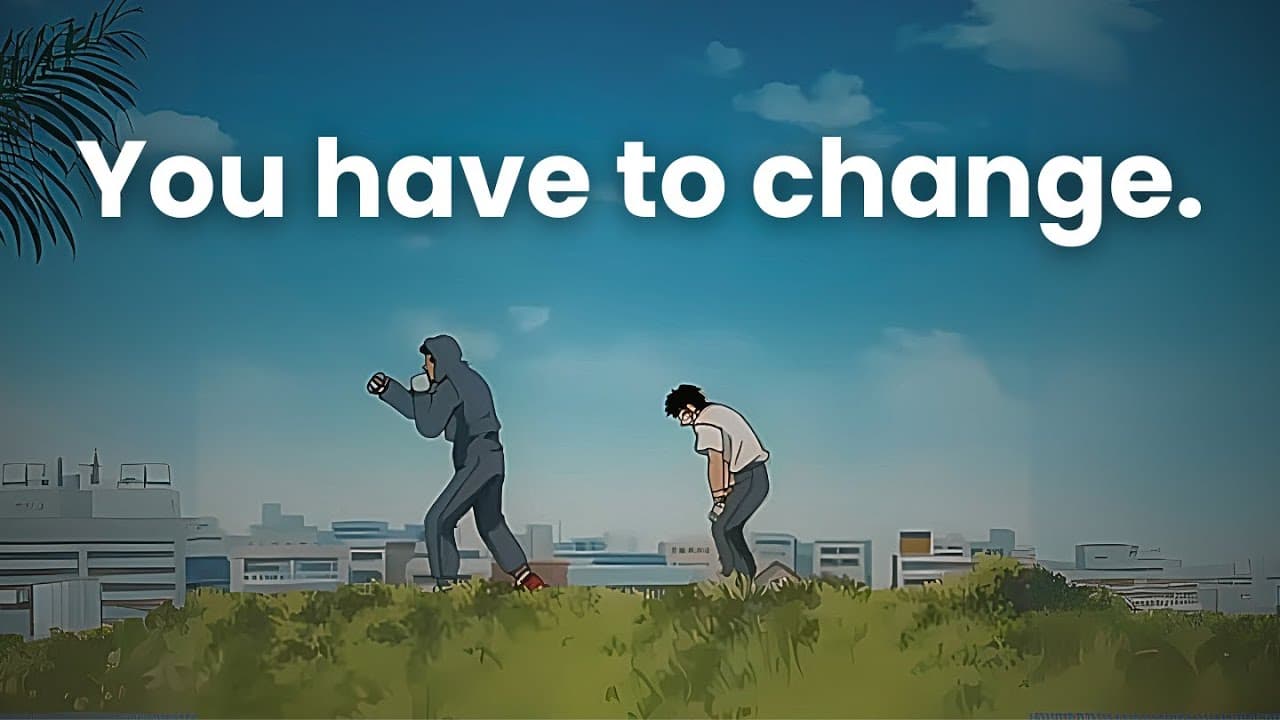
Change requires a conscious decision and action, not waiting for the perfect moment. If you don't take steps now, you risk staying stuck in the same routine and missing out on your potential. Embrace discomfort, take risks, and push through challenges to transform your life and achieve your dreams.
Transcript
let me tell you something if you don't change now you never will that's the truth change doesn't happen by accident it doesn't happen because you sit around and wish for it it happens when you decide that enough is enough that you can't keep living the way you've been living when you hit that point where you look at your life and say no more excuse... Read More
Key Insights
- Change is a choice, not a chance occurrence.
- Comfort zones hinder progress and trap individuals in stagnation.
- The perfect time to change does not exist; action must be taken now.
- Facing fear and discomfort is essential for personal growth.
- Most people fail to change due to fear of failure and success.
- Failure is a necessary part of the growth process and should be embraced.
- Procrastination and waiting for 'later' prevent change and progress.
- Taking the first step is the hardest part of change, but it initiates transformation.
Install to Summarize YouTube Videos and Get Transcripts
Explore YouTube Video Summarizer or Get YouTube Transcript Extractor
Questions & Answers
Q: How do I overcome the fear of change?
Overcoming the fear of change involves accepting that discomfort and fear are natural parts of the growth process. Recognize that failure is not the end but a stepping stone to success. Embrace failure as feedback and use it to adjust your approach. Start with small steps to build confidence and gradually expand your comfort zone.
Q: Why is it important to take action now?
Taking action now is crucial because waiting for the perfect moment leads to missed opportunities and stagnation. Procrastination and the illusion of 'later' prevent progress. By acting now, you initiate change, open doors to new possibilities, and set yourself on a path to achieving your goals and dreams.
Q: What are the risks of staying in a comfort zone?
Staying in a comfort zone leads to stagnation and prevents personal growth. It traps individuals in routines and limits their potential. Comfort zones create a false sense of security, hindering progress and leading to regrets over missed opportunities. Breaking out of comfort zones is essential for achieving success and realizing one's full potential.
Q: How can I start making changes in my life?
Start making changes by setting clear goals and identifying small, actionable steps towards achieving them. Focus on one change at a time to avoid feeling overwhelmed. Embrace discomfort and take calculated risks. Stay committed, track your progress, and celebrate small victories to maintain motivation and momentum.
Q: What role does failure play in the change process?
Failure is an integral part of the change process, serving as a valuable learning experience. It provides feedback and insights that help refine strategies and approaches. Embracing failure with a growth mindset allows individuals to learn from mistakes, adapt, and ultimately achieve greater success. Without failure, there is no growth or progress.
Q: How does procrastination affect personal growth?
Procrastination delays action and prevents progress, keeping individuals stuck in the same routines. It creates a cycle of excuses and missed opportunities, hindering personal growth and development. Overcoming procrastination involves recognizing it as a barrier, setting clear goals, and taking immediate, consistent action towards achieving them.
Q: Why do people fear success?
People fear success because it demands more responsibility, change, and higher expectations. Success can bring unfamiliar challenges and pressure to maintain or exceed achievements. The fear of not being able to handle success or the changes it brings can lead individuals to self-sabotage or avoid taking action that could lead to success.
Q: What is the significance of taking the first step towards change?
Taking the first step is the most challenging yet crucial part of the change process. It signifies a commitment to action and initiates momentum towards achieving goals. The first step breaks the inertia of inaction, builds confidence, and sets the stage for continued progress and transformation. Without it, change remains a distant possibility.
Summary & Key Takeaways
-
Change is not something that happens by accident; it happens when you decide to take action and move forward. Waiting for the perfect moment only leads to stagnation. Embrace discomfort and take risks to achieve the life you desire.
-
Most people remain stuck due to fear of failure and the unknown. However, failure is part of the learning process and should not be feared. The key to transformation is taking the first step, despite fear and uncertainty.
-
Procrastination is a major barrier to change. The notion of 'later' is an excuse that prevents progress. By taking action now, you unlock opportunities and set yourself on a path to a better future.
Read in Other Languages (beta)
Share This Summary 📚
Summarize YouTube Videos and Get Video Transcripts with 1-Click
Try YouTube Summary with ChatGPT & Claude or YouTube Transcript Generator
Explore More Summaries from The Growth Paradox 📚





Summarize YouTube Videos and Get Video Transcripts with 1-Click
Try YouTube Summary with ChatGPT & Claude or YouTube Transcript Generator