What Makes AI Different from Human Intelligence?
TL;DR
Artificial intelligence differs from human intelligence in that it lacks emotions, intuition, and true understanding. While AI can perform tasks and analyze data through algorithms, it doesn't possess consciousness or the ability to experience feelings like love. Thus, AI serves as a tool to assist humans rather than replicate their intelligence.
Transcript
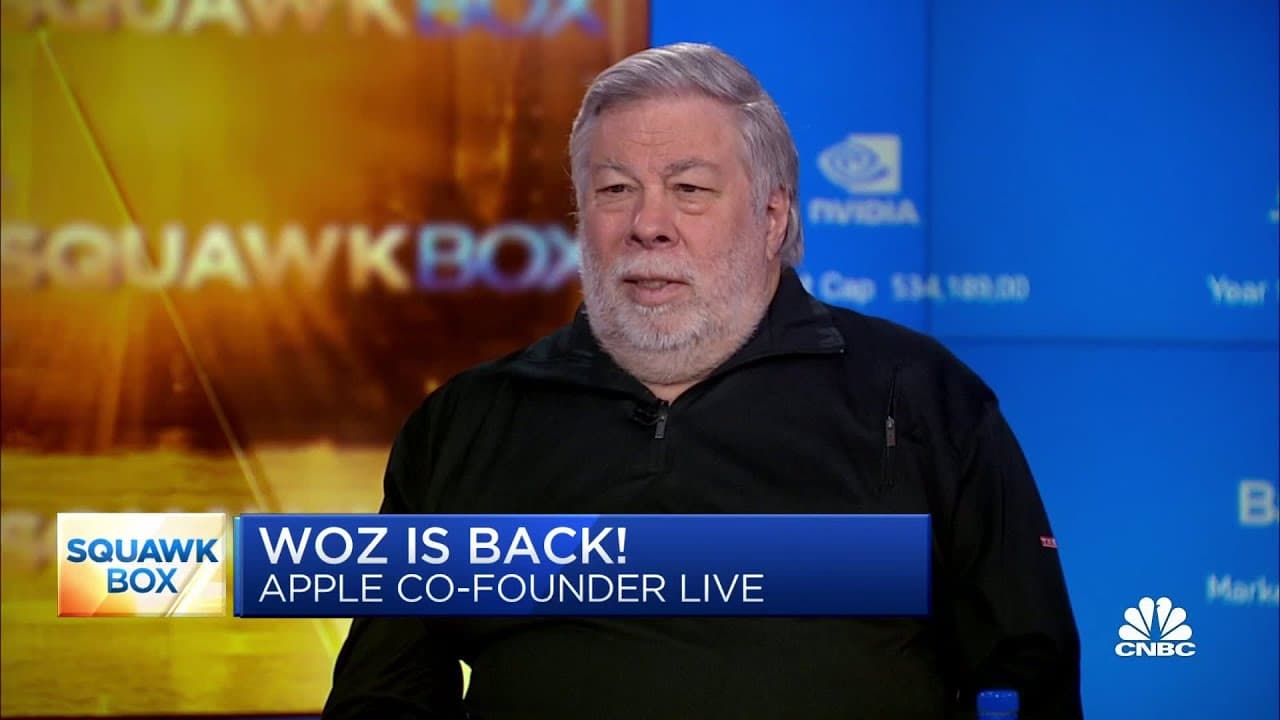
IS THIS MICROPHONE WORKING? I WAS JOKING >> HOW ARE YOU >> I'M DOING GREAT >> HE WAS OUR SURPRISE VISITOR FOR THE SHOW YESTERDAY WE WERE LUCKY ENOUGH TO GET HIM TO COME BACK TODAY THERE IS A LOT WE WANT TO TALK ABOUT. STEVE, WELCOME WELCOME. >> GOOD TO BE HERE YOUR SHOW IS SO EARLY. I'M ON CALIFORNIA TIME >> WE APOLOGIZE. 3:30 IN THE MORNING FO... Read More
Key Insights
- 🛰️ Artificial intelligence is designed to assist humans in performing tasks more efficiently, not to replicate human-like intelligence.
- 🖤 Despite advancements in AI technology, it lacks fundamental aspects of human intelligence, such as emotions and intuition.
- 🚂 The programming of AI involves training it with vast amounts of data and using algorithms, but it does not possess true understanding.
- 🖤 AI may replace certain roles and tasks but will never fully replace human decision-making due to its lack of intuition and ability to consider complex moral and ethical dilemmas.
- 🥰 The concept of AI eventually developing emotions and feelings like love is highly unlikely based on current understanding.
- 🧠 It is crucial to recognize the limitations of AI and not assume it has the same capabilities as the human brain.
- 🎮 AI can be a powerful tool for problem-solving and automation but should always be supervised and controlled by humans.
Install to Summarize YouTube Videos and Get Transcripts
Explore YouTube Video Summarizer or Get YouTube Transcript Extractor
Questions & Answers
Q: What is the difference between artificial intelligence and human intelligence?
Artificial intelligence is a program that uses algorithms to perform tasks and process information, while human intelligence is the result of complex brain functions that involve emotions, intuition, and consciousness.
Q: Can artificial intelligence develop emotions and feelings like love?
Despite initial optimism, experts now believe that it is unlikely for AI to develop emotions or feelings. AI can solve specific problems but lacks the ability to understand and experience complex human emotions.
Q: How is artificial intelligence programmed to perform tasks?
AI is programmed by training it through vast amounts of data and using algorithms to process and analyze that data. It learns from patterns and experiences, but its responses are based on programmed instructions rather than true understanding.
Q: Will artificial intelligence eventually replace human decision-making?
AI may replace certain tasks and jobs that require logical processing and analysis, but humans will always be in control. AI lacks intuition and cannot make decisions based on human values and moral judgment.
Key Insights:
- Artificial intelligence is designed to assist humans in performing tasks more efficiently, not to replicate human-like intelligence.
- Despite advancements in AI technology, it lacks fundamental aspects of human intelligence, such as emotions and intuition.
- The programming of AI involves training it with vast amounts of data and using algorithms, but it does not possess true understanding.
- AI may replace certain roles and tasks but will never fully replace human decision-making due to its lack of intuition and ability to consider complex moral and ethical dilemmas.
- The concept of AI eventually developing emotions and feelings like love is highly unlikely based on current understanding.
- It is crucial to recognize the limitations of AI and not assume it has the same capabilities as the human brain.
- AI can be a powerful tool for problem-solving and automation but should always be supervised and controlled by humans.
- Ongoing research and discussions about the ethical implications of AI are necessary to ensure responsible development and use of this technology.
Summary & Key Takeaways
-
The interview discusses the concept of artificial intelligence, emphasizing that while it can produce impressive results, it lacks true human-like intelligence.
-
The guest explains that AI is a tool designed to assist humans in tasks they couldn't do before, but it does not possess emotions or intuition.
-
The interview touches on the possibility of developing higher functioning AI that can experience emotions like love but concludes that it is unlikely.
Read in Other Languages (beta)
Share This Summary 📚
Summarize YouTube Videos and Get Video Transcripts with 1-Click
Try YouTube Summary with ChatGPT & Claude or YouTube Transcript Generator
Explore More Summaries from CNBC Television 📚





Summarize YouTube Videos and Get Video Transcripts with 1-Click
Try YouTube Summary with ChatGPT & Claude or YouTube Transcript Generator