What Are False Memories and How Do They Form?
TL;DR
False memories occur when individuals recall events that never happened due to external influences. Memories are initially formed in the hippocampus and can be altered or replaced by new information, demonstrating the fallibility of human recall. This phenomenon poses significant challenges, especially in contexts like eyewitness testimony.
Transcript
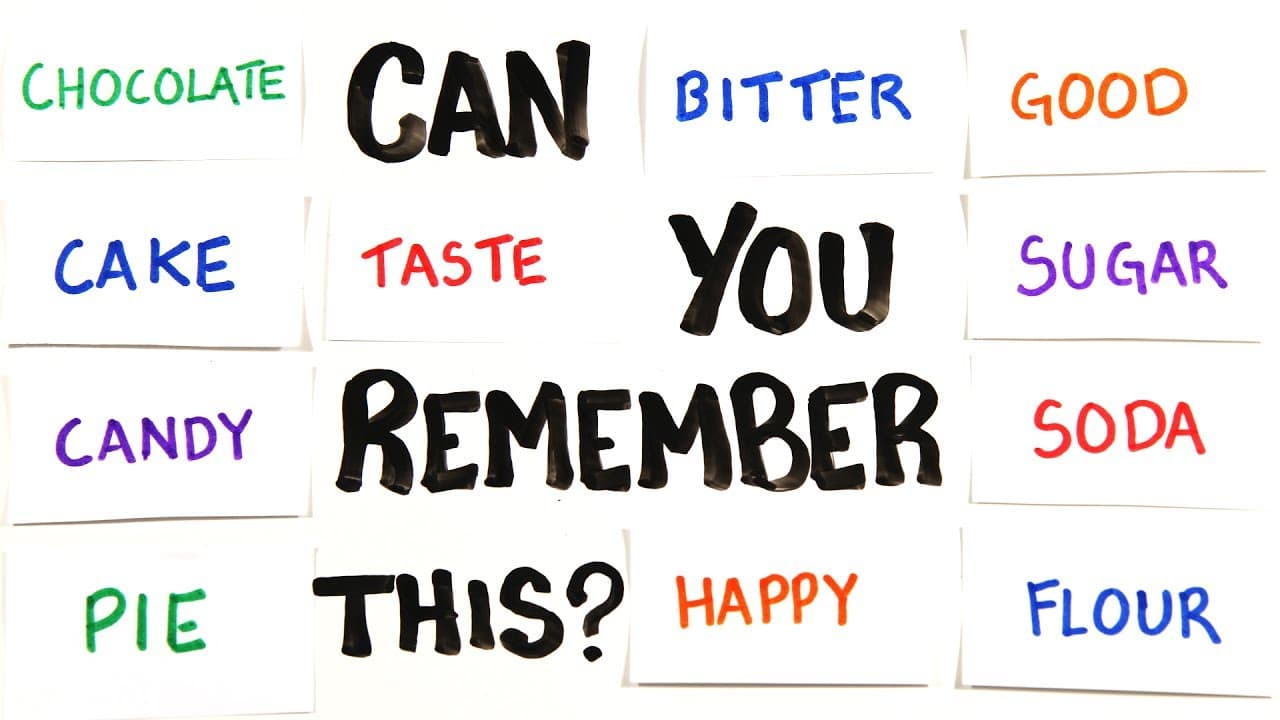
i'm gonna read you a list of 15 words and after i'm done reading them i want you to write down as many as you can remember ready to listen okay sour nice candy honey sugar soda bitter chocolate good heart taste cake tooth tart pie okay now pause this video and write down as many as you can without cheating even when you hit the point of getting stu... Read More
Key Insights
- 👯 False memories are a common phenomenon, with many people recalling events that never happened.
- 💯 Memories are not perfect and often focus on the major details of an experience, leaving out minor details or specifics like colors.
- 🥺 External information or suggestions can alter or replace existing memories, leading to the creation of false memories.
- 💁 Eyewitness accounts are less reliable due to the potential for false memories and the influence of external information.
- 🙂 Studies have shown that even a slight change in the way a question is worded can significantly affect how people remember an event.
- 🏆 False childhood memories have been successfully implanted in test subjects, highlighting the fallibility of memory.
- 😥 Our memories can be easily influenced, even to the point of creating false memories of recent events.
Install to Summarize YouTube Videos and Get Transcripts
Explore YouTube Video Summarizer or Get YouTube Transcript Extractor
Questions & Answers
Q: What is a false memory?
A false memory is a psychological phenomenon where a person remembers something that did not occur, often being influenced by external information or suggestions.
Q: How are memories formed in the brain?
Memories are initially formed in the hippocampus, which is one of the only areas where new neurons are regularly created. The information is then saved by altering neurons and creating synapses and connections.
Q: Can external information change our memories?
Yes, external information or suggestions can alter or even completely replace existing memories. If someone provides a slightly different account of an event, it can change the way we remember it.
Q: What are the consequences of false memories?
False memories can have significant consequences, such as eyewitnesses recalling false details in crimes or accidents. They can also affect the reliability of eyewitness accounts, which are less often used as evidence unless corroborated.
Summary & Key Takeaways
-
False memories are a psychological phenomenon where individuals remember events that did not happen.
-
Memories are first formed in the hippocampus and then gradually migrate to the cortex.
-
External information or suggestions can alter or replace existing memories.
Read in Other Languages (beta)
Share This Summary 📚
Summarize YouTube Videos and Get Video Transcripts with 1-Click
Try YouTube Summary with ChatGPT & Claude or YouTube Transcript Generator
Explore More Summaries from AsapSCIENCE 📚




Summarize YouTube Videos and Get Video Transcripts with 1-Click
Try YouTube Summary with ChatGPT & Claude or YouTube Transcript Generator