How Have Radar Displays Transformed Air Traffic Control?
TL;DR
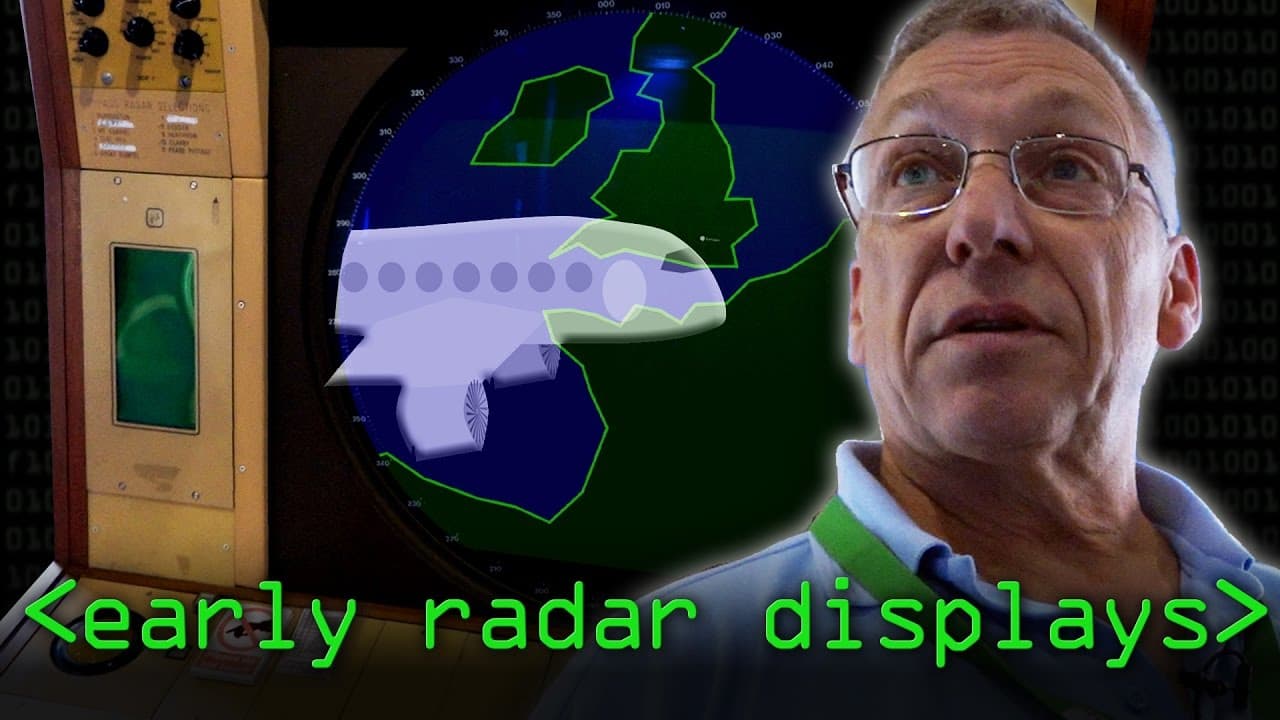
Radar displays in air traffic control have evolved significantly, merging flight data with real-time radar tracking to enhance operational efficiency and safety. By integrating dynamic sector allocations and using advanced vector graphics, modern systems allow for better management of air traffic and seamless controller interactions.
Transcript
we've so far talked about the ibm 9020 which is this big beast up here and that really had two functions we've talked about flight data processing which is the information about what the aircraft intends to do but the other major facet of this is radar data processing so you can look at a point of view that the flight plan tells us what the aircraf... Read More
Key Insights
- ✈️ Air traffic control systems initially focused on processing flight data and radar data separately, requiring the integration of these two elements for a comprehensive understanding of aircraft movements.
- 🏛️ Radar display systems evolved from using expensive screens and graphics cards to modern displays with built-in processing capabilities, improving functionality and reducing reliance on external hardware.
- 👻 Dynamic allocation of sector size based on computer processing allowed for better management of air traffic, adapting to changing conditions and optimizing control efforts.
- 🥶 Rollerball technology, although older, remains useful in radar display systems for tasks like highlighting and vectoring aircraft, providing valuable tools for controllers.
- 🎮 Resilience and redundancy were key considerations in air traffic control systems, with standby systems and multiple control centers ensuring uninterrupted operations.
- 👻 Advances in networking technology eliminated connectivity issues, facilitating the distribution of processing power to the displays and allowing for more compact control centers.
- ✋ Modern air traffic control display systems still utilize vector graphics, offering high-quality images and improved visualization of aircraft positions.
Install to Summarize YouTube Videos and Get Transcripts
Explore YouTube Video Summarizer or Get YouTube Transcript Extractor
Questions & Answers
Q: How does radar data processing complement flight data processing in air traffic control?
Radar data processing provides real-time information about an aircraft's actual movements, which may not always align with the intended flight plan. It helps controllers monitor and respond to deviations caused by weather, congestion, or other factors.
Q: How were radar displays in early air traffic control systems created?
Early radar displays used vector graphics technology, with radar data being processed by graphics cards to paint the information onto expensive screens. This allowed controllers to visualize the position, altitude, and other details of aircraft on the radar display.
Q: How did the introduction of computers impact sector size in air traffic control?
Computers enabled dynamic allocation of sector size based on factors like traffic volume and time of day. Sectors could be resized to accommodate changing traffic conditions, improving efficiency and allowing controllers to manage air traffic more effectively.
Q: How do controllers use rollerball technology in radar display systems?
Controllers use rollerball technology to highlight specific aircraft on the radar display and draw vectors to indicate their future positions. This helps with collision avoidance and timing coordination for tasks like vectoring aircraft onto instrument landing systems.
Summary & Key Takeaways
-
The IBM 9020 was an early radar data processing system that brought together flight data processing and radar data processing, allowing controllers to see the intended flight plan and the actual aircraft movements.
-
The Process Radar Display System was an early example of a radar data processing system that routed radar information to determine which controller should see it and used vector graphics to display the radar data on expensive screens.
-
Sectors in air traffic control vary in size depending on the air traffic volume, and the introduction of computers allowed for dynamic allocation of sector size based on the time of day and traffic conditions.
Read in Other Languages (beta)
Share This Summary 📚
Summarize YouTube Videos and Get Video Transcripts with 1-Click
Try YouTube Summary with ChatGPT & Claude or YouTube Transcript Generator
Explore More Summaries from Computerphile 📚





Summarize YouTube Videos and Get Video Transcripts with 1-Click
Try YouTube Summary with ChatGPT & Claude or YouTube Transcript Generator