How to Create Stunning Cyanotype Prints at Home
TL;DR
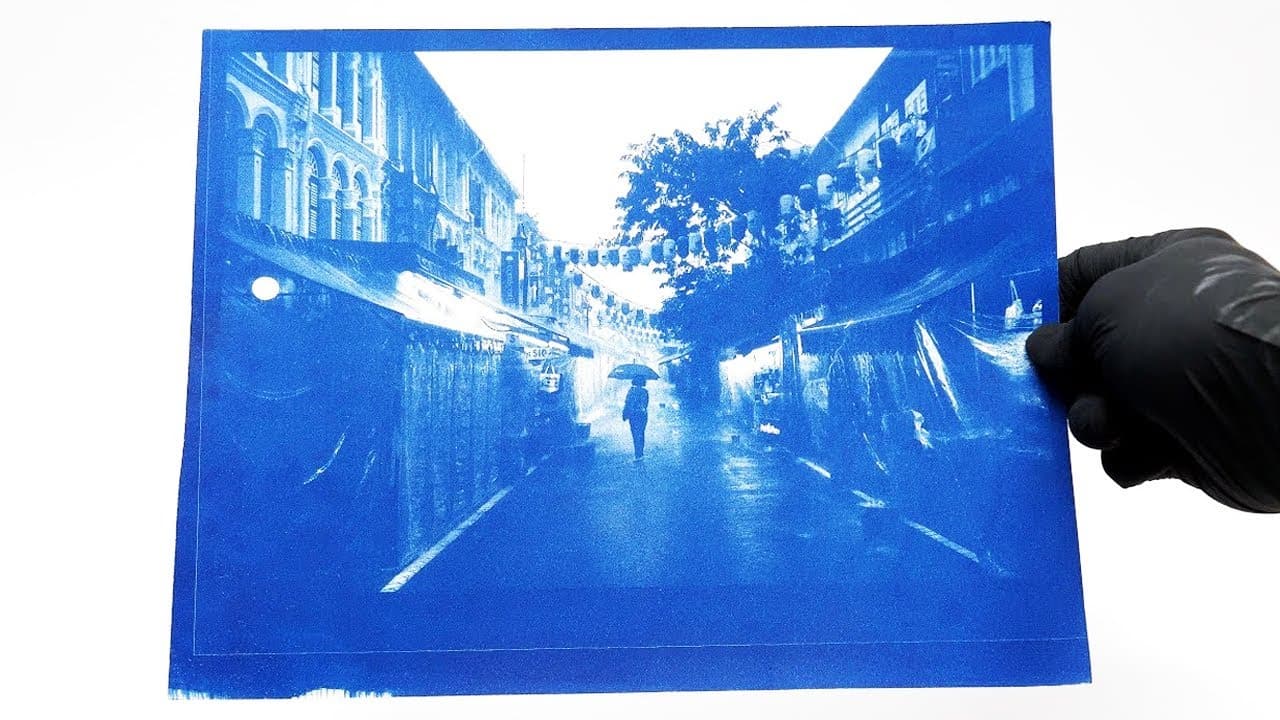
To create cyanotype prints at home, mix ferric ammonium citrate and potassium ferrocyanide, apply to high-quality paper, and expose it to UV light. Adjust exposure time and chemical concentrations to enhance image clarity and detail. Experiment with toning using coffee or tea to modify print colors.
Transcript
this video has been sponsored by nordvpn you can go to nordvpn.comred to get 77 off a three-year plan over the last couple months i've been experimenting with an iron-based pigment called prussian blue and this is the last video in a series of three in the first video i focused mostly on the prussian blue itself and i made it from two main chemical... Read More
Key Insights
- 💙 Prussian Blue pigment can be made from potassium ferrocyanide and ferric chloride.
- 🙂 Cyanotype prints can be created by applying a mixture of ferric ammonium citrate and potassium ferrocyanide to paper and exposing it to UV light.
- 👣 Exposure time and chemical concentration affect the darkness and level of detail in cyanotype prints.
Install to Summarize YouTube Videos and Get Transcripts
Explore YouTube Video Summarizer or Get YouTube Transcript Extractor
Questions & Answers
Q: How is Prussian Blue pigment made?
Prussian Blue pigment is made by mixing potassium ferrocyanide and ferric chloride. In the video, the ferric chloride is made from household materials, while the potassium ferrocyanide is not made by the creator.
Q: What is the process of creating a cyanotype print?
To create a cyanotype print, a mixture of ferric ammonium citrate and potassium ferrocyanide is applied to paper and exposed to UV light. The UV light triggers a photochemical reaction, resulting in the development of Prussian Blue.
Q: How does exposure time affect the cyanotype print?
Exposure time determines the darkness and level of detail in the cyanotype print. Longer exposure times result in darker prints, while shorter exposure times lead to lighter prints with less detail.
Q: What is toning and how does it affect cyanotype prints?
Toning is the process of changing the color of cyanotype prints using substances like coffee and tea. The tannins in these substances react with the ferric hydroxide in the print, causing a color change and potentially enhancing or altering the image.
Summary & Key Takeaways
-
The video is part of a series of three, focusing on the iron-based pigment Prussian Blue and its use in cyanotype prints.
-
The content covers the process of making the Prussian Blue pigment, creating oil paint, and experimenting with cyanotype prints using homemade chemicals.
-
The video also demonstrates the use of different papers for cyanotype prints and explores the effects of exposure time and chemical concentration on the final result.
Read in Other Languages (beta)
Share This Summary 📚
Summarize YouTube Videos and Get Video Transcripts with 1-Click
Try YouTube Summary with ChatGPT & Claude or YouTube Transcript Generator
Explore More Summaries from NileRed 📚
Summarize YouTube Videos and Get Video Transcripts with 1-Click
Try YouTube Summary with ChatGPT & Claude or YouTube Transcript Generator