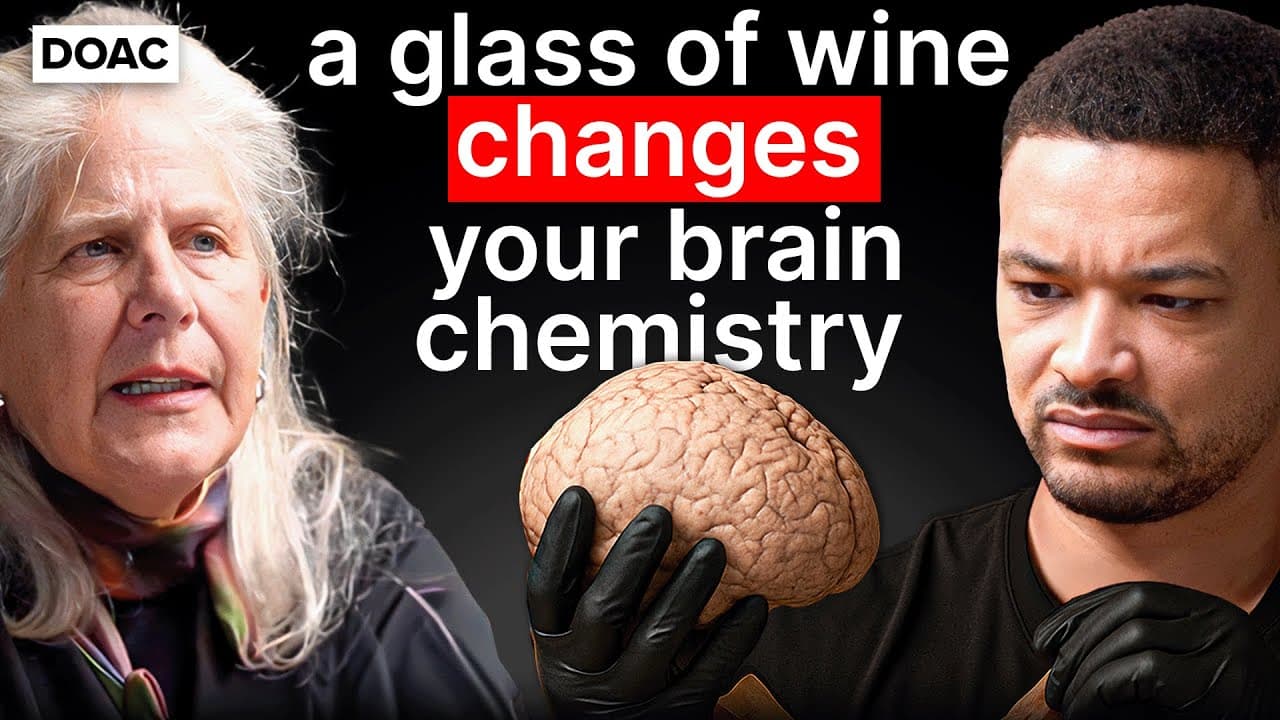
No.1 Brain Scientist Dr. Jill Bolte Taylor: How Can You Retrain Your Brain and Control Emotions?
TL;DR
You can regain control of your thoughts and emotions by recognizing the brain’s four distinct parts and deliberately choosing which one to engage. Dr. Jill Bolte Taylor explains that emotions typically last only 90 seconds unless they are consciously re-triggered, while her eight-year loss of left-brain function revealed the value of whole-brain living. Read on to understand each brain part and how to respond more intentionally.
Transcript
You've bought a present for me in this box and I feel nervous and excited. So, this is a human brain with a spinal cord. Such a masterpiece. But what people don't know is that we have four different structured parts of our brain that automatically shape how we think, feel, and behave. But what if it's not unconscious? What if we could pick and choo... Read More
Key Insights
- The brain is divided into four distinct parts, each influencing thoughts, emotions, and behaviors.
- Conscious control over brain activity can be achieved by understanding these four parts.
- The left hemisphere is associated with analytical thinking and the sense of self.
- The right hemisphere is linked to present-moment awareness and holistic thinking.
- Emotions are fleeting, typically lasting only 90 seconds unless consciously re-triggered.
- Trauma and addiction are stored in specific brain regions, influencing behavior.
- Balancing brain activity across all regions promotes mental health and reduces stress.
- Lifestyle choices such as sleep, nutrition, and exercise are crucial for maintaining brain health.
Install to Summarize YouTube Videos and Get Transcripts
Explore YouTube Video Summarizer or Get YouTube Transcript Extractor
Questions & Answers
Q: How can you retrain your brain and control your emotions?
Start by recognizing which of the brain’s four parts is shaping your current thoughts, feelings, and behavior. Dr. Jill Bolte Taylor says this awareness lets you call on another part, for example, the part capable of self-soothing, so you can move through pain, learn from it, and choose your response.
Q: What are the four parts of the brain according to Dr. Jill Bolte Taylor?
Taylor describes the four parts as the left thinking, left emotional, right emotional, and right thinking regions. The left thinking part handles details and organization, the left emotional part carries past pain, the right emotional part engages sensory experience in the present, and the right thinking part sees connection and the larger whole.
Q: Can you consciously choose which part of your brain to use?
Taylor says people already shift between brain regions but are often unaware of it. Her example is moving from a detail-focused business call into a gentler, present-focused state when a small dog enters the room; understanding that shift makes the choice more deliberate.
Q: How long does an emotion last in the brain?
An emotional response typically lasts about 90 seconds unless it is consciously re-triggered. Recognizing that window can help you avoid repeatedly activating the same reaction and choose how to respond after the initial emotion passes.
Q: Why does Dr. Jill Bolte Taylor warn against relying mainly on the left brain?
Taylor says society is skewed toward the two left-brain parts, especially the thinking region focused on the individual, details, and fitting into society. These functions are necessary and protective, but problems arise when they are the only parts of the brain people value.
Q: How does trauma affect thoughts and behavior?
Taylor places trauma and pain from the past in the left emotional tissue, where they can trigger emotional reactions and shape behavior. She argues that healing does not mean eliminating emotional reactivity; it means using other brain capacities to self-soothe, learn from painful experiences, and live more fully.
Q: What did Dr. Jill Bolte Taylor learn from her stroke experience?
Taylor says losing the left side of her brain for eight years showed her how precious life and the whole brain are. The experience helped her understand present-moment awareness and why people should value every part of the brain rather than trying to become emotionless.
Q: How can you protect and support your brain?
Taylor emphasizes understanding what brain cells do, learning how to work with them, and keeping them well. The page also identifies adequate sleep, proper nutrition, and regular exercise as important lifestyle choices for supporting brain health and emotional well-being.
Summary & Key Takeaways
-
Dr. Jill Bolte Taylor explains the brain's division into four parts, each responsible for different functions. By understanding these parts, individuals can better control their thoughts and emotions, leading to improved mental health. The right hemisphere is associated with present-moment awareness, while the left focuses on analytical thinking.
-
Emotions are transient, typically lasting only 90 seconds unless consciously re-triggered. Trauma and addiction reside in specific brain areas, influencing behaviors. Balancing brain activity across all regions can promote mental health and reduce stress.
-
Lifestyle choices such as adequate sleep, proper nutrition, and regular exercise are essential for maintaining optimal brain health. Dr. Taylor emphasizes the importance of self-awareness and conscious choices in achieving a balanced and fulfilling life.
Read in Other Languages (beta)
Share This Summary 📚
Summarize YouTube Videos and Get Video Transcripts with 1-Click
Try YouTube Summary with ChatGPT & Claude or YouTube Transcript Generator
Explore More Summaries from The Diary Of A CEO 📚






Summarize YouTube Videos and Get Video Transcripts with 1-Click
Try YouTube Summary with ChatGPT & Claude or YouTube Transcript Generator