Why Humility Is Key for Winning Teams
TL;DR
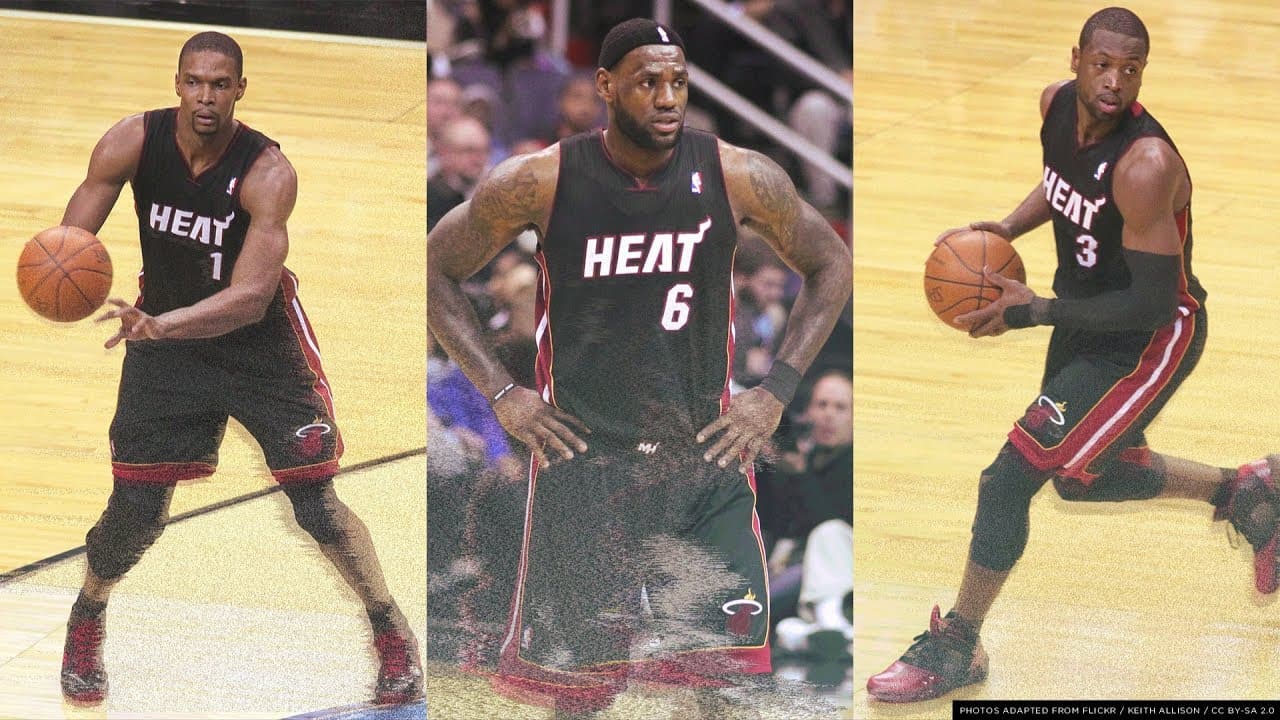
Humility is a crucial trait for successful teams, as it fosters better collaboration and minimizes conflicts that arise from egos. Teams with a mix of stars and role players, like the Miami Heat with Shane Battier, often outperform those with too many superstars. Humble leaders are more effective, motivating their team members to be productive and innovative.
Transcript
in 2010 the Miami Heat tried to build a dream team around LeBron James and two other stars and LeBron promised that they would win some championship what's wrong tell us about that but they struggled to even win close games in the regular season so the next year instead of picking up another star they added Shane Battier and Shane told me people we... Read More
Key Insights
- 🏀 The addition of Shane Battier to the Miami Heat team ended up being a key contributor to their back-to-back championships, despite his perceived limitations in athleticism and skills.
- ⭐️ Having too many star players in a team can lead to egos and infighting, and may not necessarily result in more wins. Soccer teams with a mix of stars and role players tend to win more games in World Cup qualifying matches.
- 💼 Humble leaders are significantly more effective in American and Chinese companies, with their employees being more productive and innovative. Humility and confidence can coexist in a humble narcissist, who recognizes their fallibility but also believes they are special.
- 🤝 Shane Battier's humility and willingness to recognize his limitations allowed him to improve his game by studying stats and opposing players, ultimately making valuable contributions to his team.
- ⚖️ Humility is often seen as a sign of weakness, but in the best teams and with the best leaders, it is actually a source of strength. It prevents complacency and encourages continuous improvement.
- 🌍 Data shows that teams with two stars on the court in NBA basketball tend to perform better than those with four stars. It suggests that too much talent can lead to inefficiencies in team dynamics.
- 🔍 Applying data-driven insights, such as making Kevin Durant shoot over his left shoulder, can improve a player's game and contribute to overall team success.
- 📈 In both sports (NBA) and business (Wall Street), role players and humble leaders play a crucial role in achieving better results, often outperforming the more talented or narcissistic individuals.
- 🎙️ More videos with Adam Grant:
Install to Summarize YouTube Videos and Get Transcripts
Explore YouTube Video Summarizer or Get YouTube Transcript Extractor
Questions & Answers
Q: What limitations did people see in Shane Battier's skills as a basketball player when he joined the Miami Heat?
People saw limitations in Shane Battier's athleticism, his lack of ability to run pick-and-roll, and his limited dribbling skills. They were not impressed by these aspects of his game.
Q: Despite his perceived limitations, how did Shane Battier become a key contributor to the Miami Heat's back-to-back championships?
Shane Battier became a key contributor to the Miami Heat's back-to-back championships because of his intelligence and strategic play. He may not have been the most athletic player, but he was able to force opponents like Kobe Bryant to less efficient shooting positions. Battier focused on doing valuable things on the court that may not be as glamorous as star players, but ultimately contributed to his team's success.
Q: Why does having too much talent on a team sometimes lead to infighting and fewer wins?
Having too many star players on a team can often result in infighting and fewer wins because multiple egos come into play. When there are many stars, there can be a clash of personalities and different agendas, making it difficult for the team to work together cohesively. This can impair team chemistry and hinder their performance.
Q: What does the data show about the effectiveness of humble leaders compared to narcissistic leaders in companies?
The data shows that humble leaders are significantly more effective than narcissistic leaders in companies. Employees under humble leaders tend to be more productive and innovative. However, there is a third type of leader called a humble narcissist who achieves even better results. This is because humble narcissists possess a balance of humility and confidence, recognizing their fallibility but also believing in their own uniqueness. Both humble and humble narcissistic leaders can be effective in their leadership roles.
Summary & Key Takeaways
-
The Miami Heat tried to build a team around LeBron James but struggled to win close games, so they added Shane Battier who became a key contributor to the team's championships.
-
Having too many star players can lead to egos and infighting, whereas teams with a mix of stars and role players tend to win more games.
-
Humility is an underrated trait in leaders, with humble leaders being more effective and productive, and a combination of humility and confidence can lead to even better results.
Read in Other Languages (beta)
Share This Summary 📚
Summarize YouTube Videos and Get Video Transcripts with 1-Click
Try YouTube Summary with ChatGPT & Claude or YouTube Transcript Generator
Explore More Summaries from TED 📚






Summarize YouTube Videos and Get Video Transcripts with 1-Click
Try YouTube Summary with ChatGPT & Claude or YouTube Transcript Generator