How Can You Measure Success Beyond Traditional Metrics?

TL;DR
Measuring success involves looking beyond traditional metrics like sales numbers or follower counts, focusing instead on qualities like teamwork, trustworthiness, and personal growth. Embracing vulnerability can foster better relationships and collaboration, while recognizing that strengths can reveal our weaknesses allows for deeper connections and shared success.
Transcript
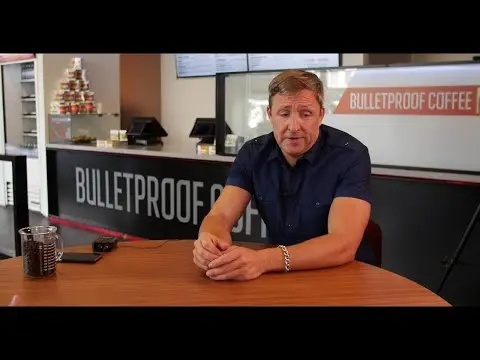
you talked in the book about competitors versus rivals on a personal basis tell me how you got through that experience because it you know if we're not careful that's something that can start to eat away at us that could actually be more corrosive and bring us down versus you know the opposite talk about that so I was at an event where as you said ... Read More
Key Insights
- 🛬 Insecurities can cause irrational feelings of competitiveness and hatred towards rivals.
- 🥺 Being vulnerable and honest about our insecurities can lead to personal growth and better collaboration.
- 💨 Strengths and weaknesses can complement each other in a way that fosters mutual understanding and friendship.
- 🧑🏭 Traditional metrics may not accurately measure value, as other factors such as teamwork and trustworthiness also matter.
- ✳️ Assessing the risk of vulnerability is crucial, as not everyone may reciprocate or react positively.
- ❓ Avoid being vulnerable to individuals who have a history of betrayal or manipulation.
- 💁 Taking the risk of vulnerability is necessary for forming deep and meaningful relationships, both personally and professionally.
- 🎙️ More videos with Simon Sinek:
Install to Summarize YouTube Videos and Get Transcripts
Explore YouTube Video Summarizer or Get YouTube Transcript Extractor
Questions & Answers
Q: Why did the speaker feel extreme competitiveness and hatred towards the other person?
The speaker's irrational hatred stemmed from their own insecurities. The other person's strengths highlighted the speaker's weaknesses, which caused discomfort and a need to compete.
Q: Why did the speaker choose to be vulnerable and express their insecurities?
The speaker believed that being disingenuous would be easily noticeable, and therefore chose to be honest. They wanted to address their feelings and create an opportunity for personal growth and understanding.
Q: How did the other person react to the speaker's vulnerability?
Surprisingly, the other person admitted to feeling the same way, as their strengths also revealed their weaknesses. This led to a mutual understanding and the development of a close friendship.
Q: How did the speaker's perspective on competition change after the experience?
The speaker stopped comparing book rankings and realized that collaboration and friendship were more valuable than competing. They formed a strong partnership and supported each other's work.
Summary & Key Takeaways
-
The speaker shares a personal experience of feeling irrational hatred and extreme competitiveness towards a fellow professional in the same industry.
-
They decided to be vulnerable and honest by expressing their discomfort and insecurities to the other person during a public event.
-
Both individuals realized that their strengths and weaknesses were opposites, leading to a shift in perspective and the development of a close friendship.
Read in Other Languages (beta)
Share This Summary 📚
Summarize YouTube Videos and Get Video Transcripts with 1-Click
Try YouTube Summary with ChatGPT & Claude or YouTube Transcript Generator
Explore More Summaries from Behind the Brand 📚


Summarize YouTube Videos and Get Video Transcripts with 1-Click
Try YouTube Summary with ChatGPT & Claude or YouTube Transcript Generator