Who Was the Real Woman Behind the Migrant Mother Photo?
TL;DR
The 'Migrant Mother,' captured by Dorothea Lange, was actually Florence Owens Thompson, a Native American single mother depicted in a moment of hardship during the Great Depression. While the photograph became an enduring symbol of poverty and resilience, Thompson's true story reveals a life of strength and love for her children, rather than the narrative of destitution it initially presented.
Transcript
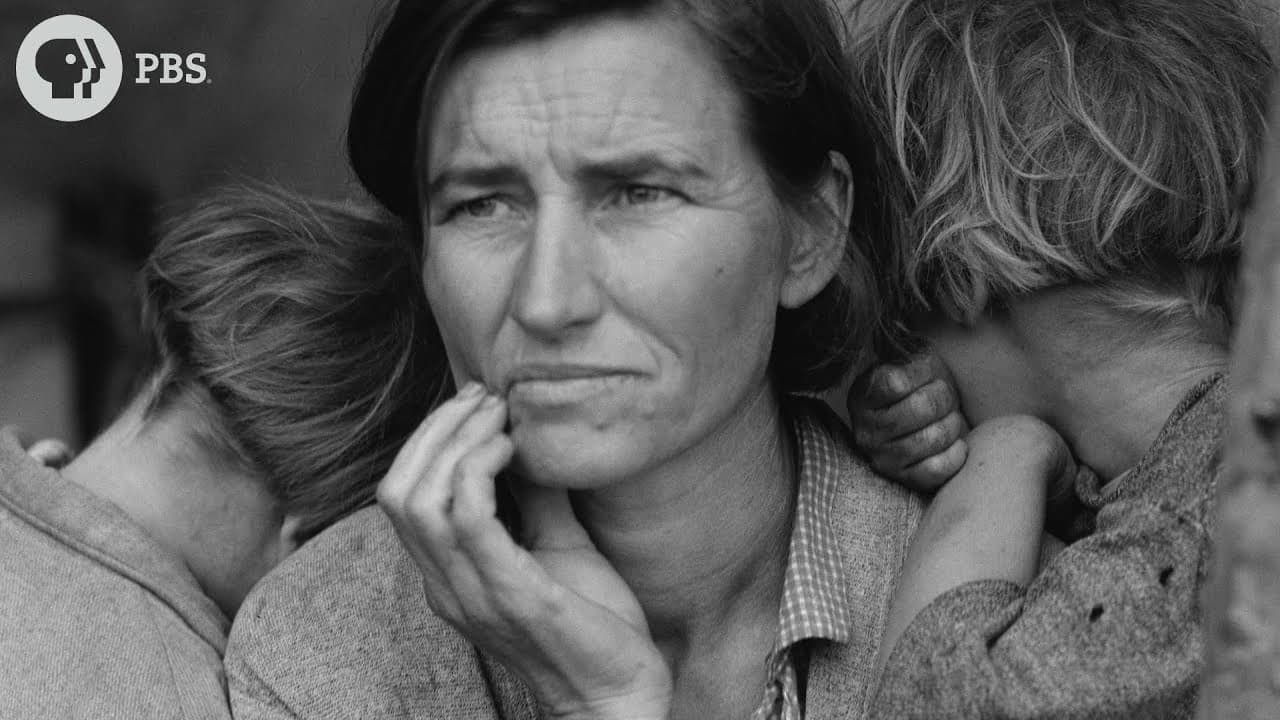
This is one of the world's most famous photographs. It's commonly known as Migrant Mother, and it was taken by Dorothea Lange in 1936, during the Great Depression. In the U.S. Library of Congress, the photograph is labeled as, "Destitute Pea Pickers in California." And there are two stories here--the story of the photograph, which has been famous s... Read More
Key Insights
- 🤬 "Migrant Mother" became a symbol of the Great Depression and poverty in America, although the reality was more complex for its subject, Florence Owens Thompson.
- 🤪 The photograph's impact went beyond raising awareness; it sparked a relief movement and inspired people with its depiction of maternal strength.
- 💝 Florence Owens Thompson's true identity and story were only known in the late 1970s, highlighting the disconnect between the photograph's symbolism and the lived experiences of the people captured in it.
- 🥰 Thompson's life as a single mother reflected the struggles faced by many during the Great Depression, but her love and determination were an inspiration to her children.
- 🙈 The children had conflicted feelings about "Migrant Mother," seeing it as both a curse and a source of pride in their mother's strength.
- 🙂 Thompson's story sheds light on the challenges faced by Native Americans and Mexican Americans during that time, including the risk of deportation.
- 👪 The photograph's fame did not bring financial relief to Thompson and her family, highlighting the limitations of symbolic representations of poverty.
Install to Summarize YouTube Videos and Get Transcripts
Explore YouTube Video Summarizer or Get YouTube Transcript Extractor
Questions & Answers
Q: What impact did the photograph "Migrant Mother" have during the Great Depression?
The photograph raised awareness about the dire living conditions of many Americans and led to a relief movement that provided aid and saved lives. It became a symbol of the suffering caused by the Depression.
Q: Who was the photographer behind "Migrant Mother" and why was the photograph significant?
Dorothea Lange captured the famous image as part of her work with the Farm Security Administration. The photograph's significance lies in its portrayal of a mother's strength, love, and determination in the face of poverty.
Q: What was the true story behind the subject of "Migrant Mother"?
The subject, Florence Owens Thompson, was not a pea picker as originally labeled in the photograph's caption. She was a Native American single mother, and her life revealed the hardships faced by many during that time.
Q: How did Florence Owens Thompson's children view the photograph and their mother's portrayal?
The children had mixed feelings about the photograph. While they acknowledged the poverty they experienced, they also wanted to emphasize their mother's strength and love. They resisted romanticizing poverty and wanted to preserve a more complete image of their mother.
Summary & Key Takeaways
-
"Migrant Mother" is a well-known photograph taken by Dorothea Lange in 1936 during the Great Depression, depicting a mother and her children.
-
The photograph became a symbol of the suffering caused by the Depression and helped spark a relief movement.
-
The subject of the photograph, Florence Owens Thompson, had a challenging life as a single mother, but her resilience and love for her children were remarkable.
Read in Other Languages (beta)
Share This Summary 📚
Summarize YouTube Videos and Get Video Transcripts with 1-Click
Try YouTube Summary with ChatGPT & Claude or YouTube Transcript Generator
Explore More Summaries from The Art Assignment 📚



Summarize YouTube Videos and Get Video Transcripts with 1-Click
Try YouTube Summary with ChatGPT & Claude or YouTube Transcript Generator