How Private Equity Really Performs Against ETFs
TL;DR
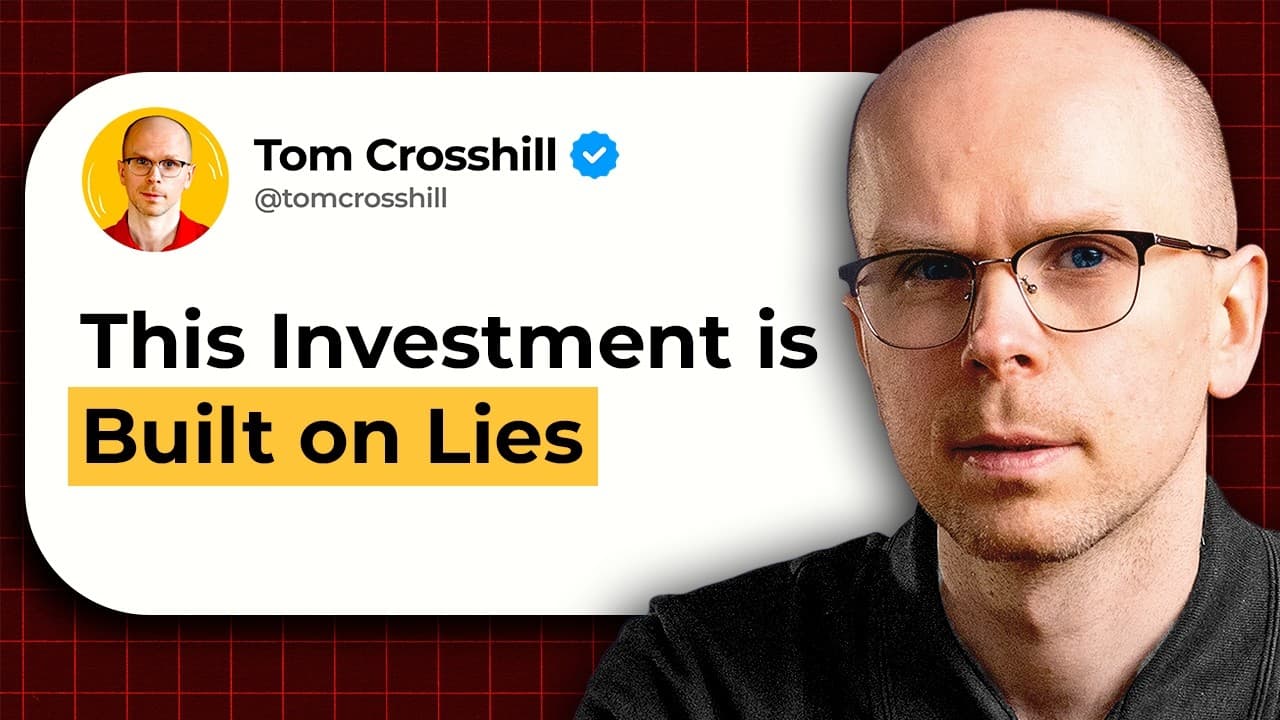
Private equity is riskier and often overhyped compared with ETFs. The video explains that leverage, high debt loads, and weak disclosure make true profitability hard to judge. IRR can be manipulated by when capital is called, which distorts returns compared to public markets.
Transcript
Many people believe that private equity funds get better results than ETFs with lower volatility or risk. But is that actually true? In a new development, European brokers like Trade Republic and Scalable Capital and Deutsche Bank are inviting regular people to invest in private equity. In America too, the Trump administration has opened up private... Read More
Key Insights
- Private equity investing relies on buying mature companies with large debt and then trying to improve operations before selling, which creates potential upside but also significant downside risk.
- Private equity deals are typically financed by debt to cover 50 to 70 percent of purchase prices, meaning loan risk falls mainly on the company rather than the fund if failures occur.
- IRR is the common metric for private equity returns, but the timing of cash flows can artificially inflate reported performance, especially when funds delay capital calls.
- The private equity market has expanded globally with many funds chasing the same opportunities, driving up prices and reducing expected profits as competition increases.
- There is evidence that private equity owned hospitals and portfolio companies have worse outcomes or higher costs, which invites skepticism about social and long term value.
- Economic conditions such as rising interest rates increase debt service costs and can lead to more bankruptcies among portfolio companies, reducing investor confidence.
- Industry critics often argue that private equity misleads investors by presenting superior historical profits that are not verifiable due to lack of public disclosures.
- Some systems claim that private equity outperformed public markets, but the lack of transparent data and potential reporting biases challenge these claims.
Install to Summarize YouTube Videos and Get Transcripts
Explore YouTube Video Summarizer or Get YouTube Transcript Extractor
Questions & Answers
Q: A real search query question about the video (e.g. 'How to...', 'What is...', 'Why does...', 'When should...'). Question 1
Private equity profits are hard to verify due to private market secrecy and unreported cash flows. The IRR can be manipulated by delaying capital calls and presenting shorter investment horizons, leading to overstated annual returns. Investors should demand full transparency, weigh high debt risks, and compare results with public market benchmarks before investing.
Q: What is private equity according to the video?
Private equity means investing in private companies not traded on a stock exchange, typically via funds managed by professionals. These funds may use a leveraged buyout strategy, borrowing large sums to acquire established firms, then attempting to improve performance and sell at a profit, while bearing substantial debt risk.
Q: Why might private equity be riskier in current conditions?
Rising interest rates increase debt service costs for portfolio companies, making it harder to maintain profitability. Higher purchase prices amid competition reduce potential upside, while bankruptcies and slow exits threaten liquidity and investor distributions, undermining the traditional upside story of private equity.
Q: How do leveraged buyouts work in this context?
A leveraged buyout uses a loan to finance a large portion of a company purchase. The private equity fund typically covers 50 to 70 percent of the price with debt secured by the company, aiming to improve operations and later sell, with profits amplified if successful.
Q: What are the ethical or governance concerns raised?
Critics argue that private equity buyers squeeze short term profits, neglect long term value, and sometimes do not fully understand the underlying businesses. This can lead to job cuts, cost cutting, or asset stripping that harms employees and communities.
Q: How credible are private equity performance claims?
Performance claims rely on industry sources that may be biased. Because the market is private, crucial numbers like invested capital, profits, and timing are not fully disclosed, making independent verification difficult and potentially inflating perceived gains.
Q: What about the idea that private equity outperformed ETFs historically?
The video argues that claimed outperformance is suspect due to lack of transparency and IRR manipulation. Without consistent, public disclosure, comparing private equity to ETFs becomes unreliable, calling for scepticism about past outperformance claims.
Q: What should a retail investor consider before entering private equity?
Investors should weigh the high leverage, potential illiquidity, and opaque reporting against the potential rewards. They should seek transparent reporting, understand capital call schedules, and compare with diversified ETF investments to assess whether private equity aligns with their risk tolerance and goals.
Summary & Key Takeaways
-
Private equity is presented as a high risk, high leverage investing approach with asymmetric outcomes that can hurt ordinary investors. The speaker warns about the lack of transparency and the difficulty of evaluating true profits in private equity. The comparison with ETFs highlights how common marketing claims may mislead beginners.
-
The video details how leveraged buyouts use debt to amplify potential gains, but also amplify losses when markets turn, making private equity less attractive under rising interest rates. It argues that the public market structure of ETFs offers more accessible data and lower risk.
-
It is argued that the push to open private equity to retail investors is driven by marketing and distribution advantages, rather than clear long term benefits for ordinary savers, especially given rising bankruptcies and lower exit activity.
Read in Other Languages (beta)
Share This Summary 📚
Summarize YouTube Videos and Get Video Transcripts with 1-Click
Try YouTube Summary with ChatGPT & Claude or YouTube Transcript Generator
Explore More Summaries from Tom Crosshill 📚




Summarize YouTube Videos and Get Video Transcripts with 1-Click
Try YouTube Summary with ChatGPT & Claude or YouTube Transcript Generator