How does AI collect data and affect user privacy?
TL;DR
AI collects data from browsing, location, purchases, searches, and even pause times, then uses it to build profiles for targeted ads, pricing, and information control. Strong safeguards are needed because current regulation is limited, and data is monetized through profiling and microtargeting in both advertising and politics.
Transcript
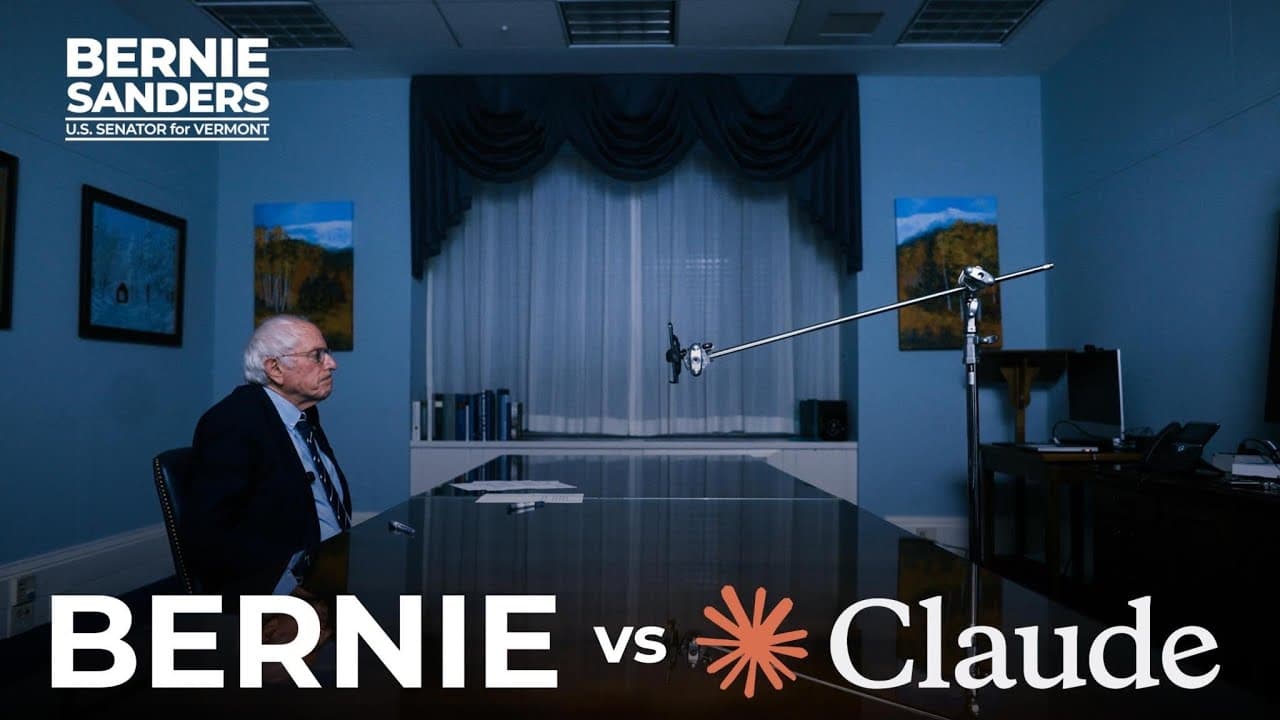
Claude, this is Senator Bernie Sanders. Uh, I have been taking a hard look at how AI impacts American society, in terms of economics and job loss, in terms of uh the mental health of our kids, in terms of what it will do to the political process. What I want to talk to you about is another issue and that is the impact of AI on privacy. I I want to ... Read More
Key Insights
- AI data collection is pervasive and often unconsented, pulling in browsing history, location, purchases, searches, and paused page time to create detailed profiles.
- The primary goal of data collection is profit, enabling targeted ads, dynamic pricing, and personalised content delivery that shapes consumer behavior.
- AI profiling enables microtargeting in politics, allowing different narratives to be shown to different groups, potentially fragmenting shared reality and undermining democracy.
- There is a conflict of interest in trusting AI companies that train models on personal data while promising privacy protections, underscoring the need for robust legal safeguards and penalties.
- Regulatory approaches range from moratoria to targeted data collection restrictions, with a focus on explicit consent and data access rights to protect privacy.
- Speed of AI development outpaces current regulation, making proactive governance essential to prevent misuse and ensure accountability.
- Public awareness about data collection is low, and many users do not understand how their data is used to influence outcomes.
- Without transparency, data brokers can sell millions of profiles, increasing the power of those who control the data economy.
Install to Summarize YouTube Videos and Get Transcripts
Explore YouTube Video Summarizer or Get YouTube Transcript Extractor
Questions & Answers
Q: A real search query question about the video (e.g. 'How to...', 'What is...', 'Why does...', 'When should...'). Question 1
What data does AI collect about individuals and how is it used to build profiles? The video explains that data is gathered from browsing history, location, purchases, searches, and even how long a user pauses on a page. This information is aggregated to create comprehensive profiles used to predict behavior, target ads, and influence pricing and information feeds. Such profiling enables advertisers and political actors to tailor messages with high precision, raising concerns about consent and privacy.
Q: Question 2
Why is data collection described as a profit-driven activity in the conversation between Bernie and Claude? The transcript states that data collection exists to enable AI to derive valuable insights and to predict what people will buy, which allows for more effective advertising and personalized pricing. Data brokers purchase and sell information about millions of Americans without their knowledge, turning attention and behavior into a commodity. This framing points to a fundamental conflict between business models and individual privacy rights.
Q: Question 3
How can AI profiling affect democracy and the political process according to the dialogue? The agents discuss microtargeting at scale, where campaigns identify voters with specific vulnerabilities and serve tailored messages. This fragmenting of shared reality means different groups see different narratives, undermining a common informational environment. The risk is amplified when foreign actors gain access to profiles to manipulate elections, making privacy protections critical for democratic integrity.
Q: Question 4
What is the core contradiction in trusting AI companies with personal data, as described in the conversation? The core contradiction is that the same business model relies on extracting value from personal data to train models and monetize products, yet companies claim to protect privacy. The transcript notes almost no accountability and minimal consequences for misuse, underscoring the need for strong legal safeguards, transparency, and consent rules to restore trust.
Q: Question 5
What governance options are discussed to slow or regulate AI data collection and centers, and what is suggested as more practical? The speakers consider a moratorium on new data centers, which would delay expansion and increase regulatory leverage. However, Claude later concedes the political reality makes a broad pause unlikely, suggesting a more targeted approach with strict data collection rules, explicit consent, and rights to access and delete information while maintaining innovation.
Q: Question 6
What is the role of consent and transparency in the proposed privacy protections? The conversation advocates for explicit consent for data use, limits on what data can be used for training, rights to access and delete personal information, and mandatory transparency so people understand what happens with their data. These measures aim to balance privacy with ongoing innovation and prevent unchecked data exploitation.
Q: Question 7
How is privacy framed in relation to democracy beyond personal choice? Privacy is portrayed as a democracy issue because detailed profiles empower those who control the data to influence choices and even thinking. The concern is that pervasive profiling can manipulate behavior and information consumption at a mass scale, threatening informed citizenry and fair political processes.
Q: Question 8
What final takeaway does the dialogue emphasize about AI privacy protections? The closing notes stress that AI privacy affects both personal rights and the functioning of democracy. The conversation calls for urgent focus on protecting privacy, increasing transparency, and implementing safeguards that can keep pace with rapid AI development to prevent abuse and safeguard democratic institutions.
Summary & Key Takeaways
-
The video discusses how AI canvasses massive amounts of personal data from users without clear consent and uses it to build detailed profiles that influence ads, prices, and information feeds.
-
It highlights profit as the core driver of data collection, with data brokers trading millions of profiles and political actors using AI to tailor messages to individuals.
-
It argues for stronger legal safeguards and transparency, noting the speed of AI development outpaces regulation and noting the risk to democracy through targeted messaging and manipulation.
Read in Other Languages (beta)
Share This Summary 📚
Summarize YouTube Videos and Get Video Transcripts with 1-Click
Try YouTube Summary with ChatGPT & Claude or YouTube Transcript Generator
Explore More Summaries from Senator Bernie Sanders 📚





Summarize YouTube Videos and Get Video Transcripts with 1-Click
Try YouTube Summary with ChatGPT & Claude or YouTube Transcript Generator