How Is AI Transforming the Music Industry Today?
TL;DR
AI is rapidly transforming the music industry by composing original music, generating singing voices, and even mimicking established artists. Technologies like Vocaloid and Jukebox AI allow for the creation of virtual performances, raising important questions about copyright, artist identity, and the future of live music. As AI-generated music gains popularity, it opens up new possibilities for collaboration and concert experiences.
Transcript
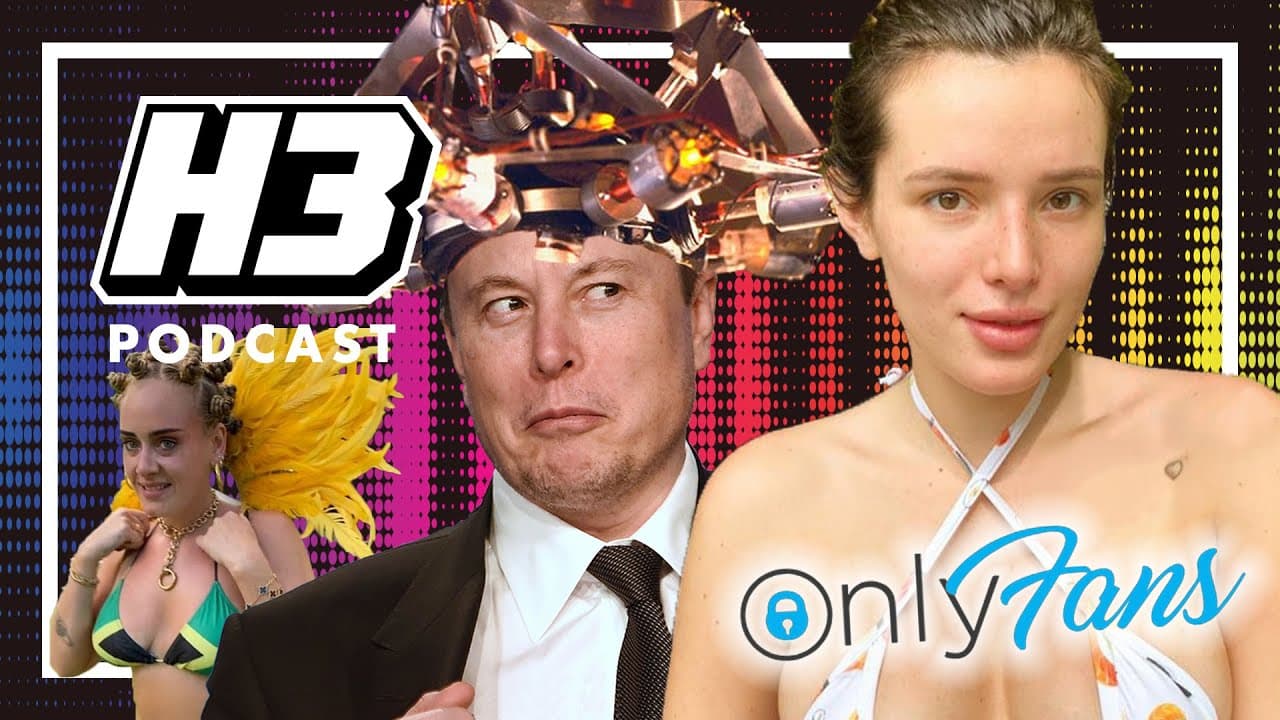
two welcome everybody to the h3 podcast number 727 don't be don't flatter yourself number 27 in the united states 5.5 on wiki feet i am your host the fresh prince of dead air today's episode is sponsored by honey and ridge wallets now i'm not exaggerating when i say today we've got a heck of an episode ian is finally coming back after the break wit... Read More
Key Insights
- 🎼 AI technology has advanced significantly in music creation, from composing music to mimicking specific artists' voices.
- 💗 The popularity of virtual performers like Hatsune Miku demonstrates a growing acceptance and demand for AI-generated music.
- 🧑🎨 The future of music may involve AI-generated songs, hologram concerts, and endless possibilities for collaborations between deceased and living artists.
- 🎙️ More videos with Elon Musk:
Install to Summarize YouTube Videos and Get Transcripts
Explore YouTube Video Summarizer or Get YouTube Transcript Extractor
Questions & Answers
Q: How did vocal synthesis create an AI-generated rap song using Jay-Z's voice?
Vocal synthesis used a model called Tacotron 2 to train an AI system with several hours of high-quality audio recordings of Jay-Z. By inputting different text prompts, the system could output audio that mimicked Jay-Z's voice reading that text.
Q: Are musicians and composers concerned about AI-generated music replacing human artists?
Some musicians and composers are uneasy about the potential for AI to take over music creation. They worry about losing job opportunities and the unique human creativity and unpredictability that AI may not be able to replicate.
Q: Can AI-generated music be copyrighted?
The issue of copyright for AI-generated music is still unclear. While the copyright of the original compositions used to train the AI system may still apply, the generated music itself may not have clear ownership. This raises legal and ethical questions about who has the rights to AI-generated work.
Q: What are the implications of hologram tours for the future of music?
Hologram tours, like the Whitney Houston hologram concert, offer the opportunity to bring back deceased artists and provide a unique interactive experience for audiences. However, they also raise concerns about the authenticity and ethics of using an artist's image and voice without their consent.
Summary & Key Takeaways
-
AI-generated music has been around since the 1950s, with early examples including the ILIAC Suite composed by a computer and the first singing computer program.
-
Recent developments include AI-powered vocaloids like Hatsune Miku, who has gained popularity in Japan and even performed live hologram concerts.
-
Companies like Jukebox AI are using deep learning and reinforcement learning systems to create entirely new songs mimicking different artists and genres.
-
The rise of hologram tours and the potential for AI to create virtual performances raises questions about the future of music and artist identity.
Read in Other Languages (beta)
Share This Summary 📚
Summarize YouTube Videos and Get Video Transcripts with 1-Click
Try YouTube Summary with ChatGPT & Claude or YouTube Transcript Generator
Explore More Summaries from H3 Podcast 📚






Summarize YouTube Videos and Get Video Transcripts with 1-Click
Try YouTube Summary with ChatGPT & Claude or YouTube Transcript Generator