What Are the Three Root Beliefs of the Ego?
TL;DR
The three root beliefs of the ego are lack, outcome-based happiness, and control, all stemming from the belief in separation from Source. Recognizing that emotions provide feedback on one's perceptions is crucial for personal growth, while healing involves integrating these beliefs through self-acceptance and humility.
Transcript
what were the parts of Aaron abke that had to be attended to loved and healed in order for your relationship with your dad with your mom to not be something that held you back from your own Consciousness expanding well for me the big the big battle through my 20s was this um sort of belief in inadequacy one of the things I teach in my programs is t... Read More
Key Insights
- 🤪 The belief in separation from Source leads to the creation of various ego beliefs, including lack, outcome-based happiness, and control.
- 🥰 Healing and integrating these beliefs require self-acceptance, love, and a shift in perspective.
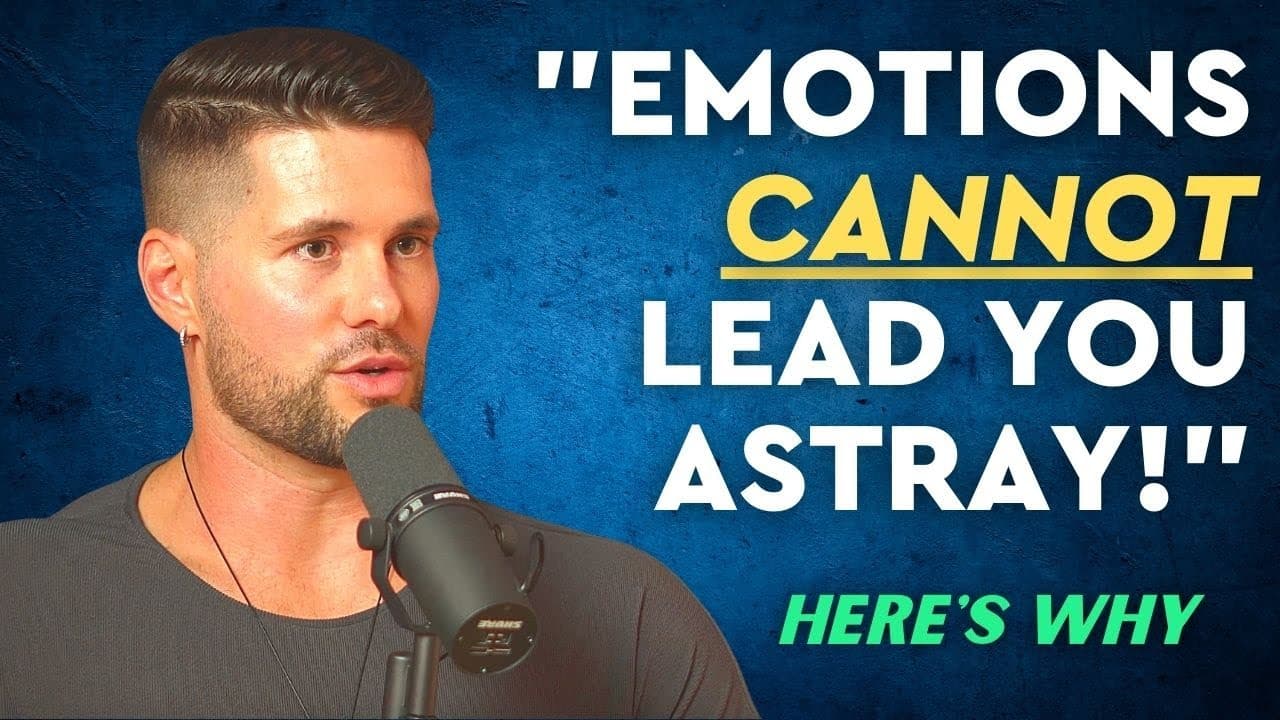
- ❓ Recognizing emotions as feedback and correcting misperceptions is essential for personal growth.
- 👻 Humility plays a significant role in integration, as it allows for the full acceptance of life catalysts and the acknowledgment of one's shortcomings.
- ❓ Integration involves embracing both the Divine and human aspects of existence.
- 🥺 Unintegrated spirituality can lead to the rejection of darkness and a lack of acceptance, hindering personal growth.
Install to Summarize YouTube Videos and Get Transcripts
Explore YouTube Video Summarizer or Get YouTube Transcript Extractor
Questions & Answers
Q: What are the three root beliefs of the ego and how do they stem from the belief in separation?
The three root beliefs are lack, outcome-based happiness, and control. They stem from the belief that one is separate from Source, leading to feelings of inadequacy and the pursuit of external validation.
Q: How can one overcome the belief in lack and find a sense of completeness?
Recognizing that only what has not been given can be lacking is key. By giving love to oneself and embracing the belief that love comes from within, a sense of completeness and self-worth can be achieved.
Q: How does outcome-based happiness contribute to the illusion of separateness?
Believing that certain outcomes will bring happiness perpetuates the idea that something external is needed to feel complete. However, this mindset only leads to a never-ending cycle of seeking new outcomes, reinforcing the belief in separateness.
Q: How can we let go of the illusion of control and embrace the concept of being lived by the universe?
Recognizing that all actions are in alignment with God's will and that there is no separate self allows for the release of control. Understanding that we are an extension of the universe and surrendering to its flow brings peace and a sense of unity.
Key Insights:
- The belief in separation from Source leads to the creation of various ego beliefs, including lack, outcome-based happiness, and control.
- Healing and integrating these beliefs require self-acceptance, love, and a shift in perspective.
- Recognizing emotions as feedback and correcting misperceptions is essential for personal growth.
- Humility plays a significant role in integration, as it allows for the full acceptance of life catalysts and the acknowledgment of one's shortcomings.
- Integration involves embracing both the Divine and human aspects of existence.
- Unintegrated spirituality can lead to the rejection of darkness and a lack of acceptance, hindering personal growth.
- Love and light must extend to all aspects of creation, including the darkness, in order to achieve true embodiment and integration.
Summary & Key Takeaways
-
The speaker discusses the three root beliefs of the ego: separation, lack, and outcome-based happiness.
-
Believing in separation from Source leads to the creation of various pathways to express this belief.
-
Embracing self-perception, understanding emotions, and correcting misperceptions are essential in transcending these beliefs.
Read in Other Languages (beta)
Share This Summary 📚
Summarize YouTube Videos and Get Video Transcripts with 1-Click
Try YouTube Summary with ChatGPT & Claude or YouTube Transcript Generator
Explore More Summaries from Aaron Abke 📚


Summarize YouTube Videos and Get Video Transcripts with 1-Click
Try YouTube Summary with ChatGPT & Claude or YouTube Transcript Generator