What Makes Organizations Last Centuries?
TL;DR
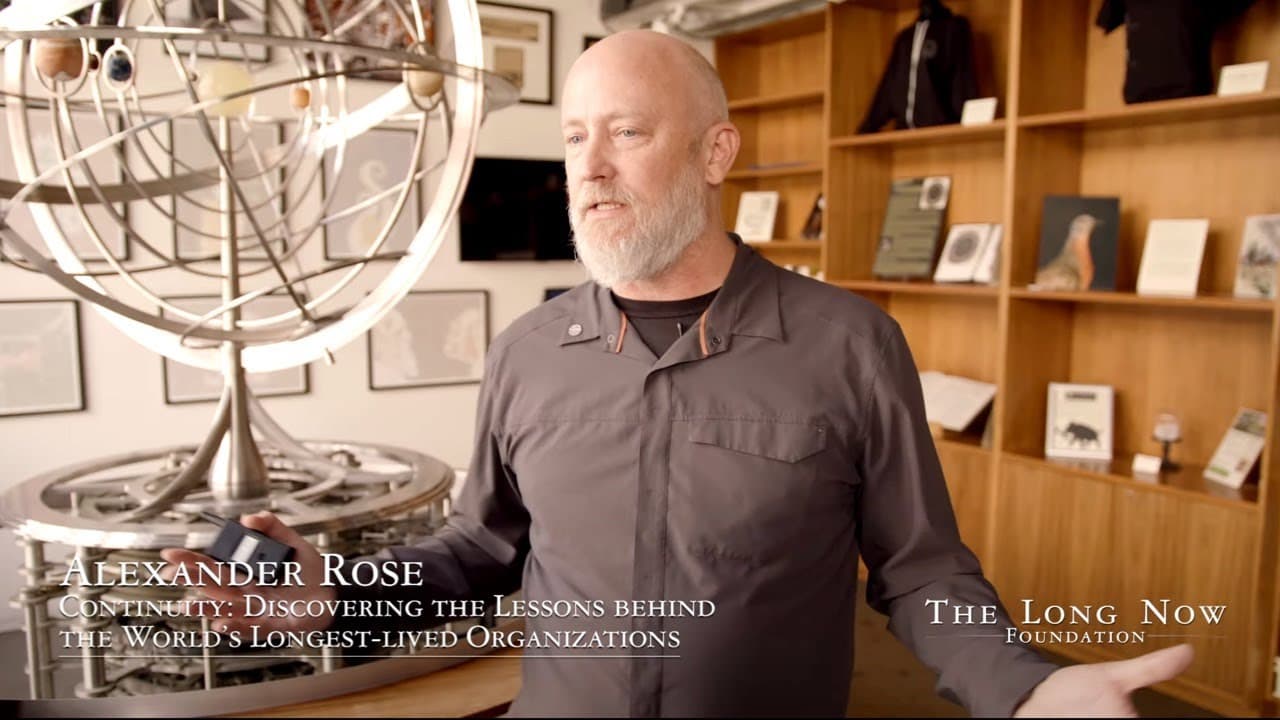
The Organizational Continuity Project investigates why some organizations endure for centuries and how these lessons can guide modern institution-building. It highlights the essential role of continuity to address major societal challenges and examines various ancient institutions that have thrived through adaptable strategies and strong cultural foundations.
Transcript
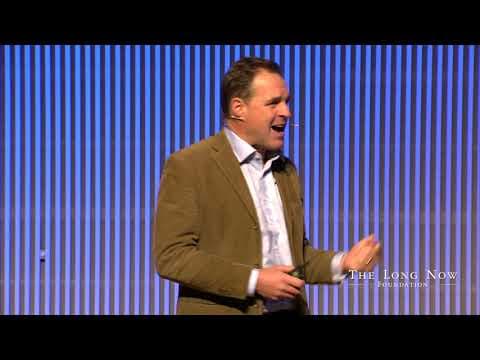
hello my name is kevin kelly and i'm the co-chair of the long nile foundation for 25 years long now has been promoting long-term thinking and we asked ourselves who might know about how to think long-term and we looked around and realized that some of the longest lived companies and other institutions on this planet may have something to say about ... Read More
Key Insights
- ❓ The Organizational Continuity Project explores the longevity of ancient institutions to learn from their strategies and apply them to modern organizations.
- 🖐️ Location and cultural factors play a significant role in the survival of institutions, with Japan, Europe, and specific industries like breweries and hotels having a higher prevalence of long-lived organizations.
- 🛩️ The size and adaptability of institutions are crucial for longevity, with smaller companies often being more successful in maintaining continuity over time.
- 🥋 Traditional practices like oral storytelling and community-based learning have helped certain institutions, such as tribal communities and martial arts, survive for thousands of years.
- 👨💼 The importance of organizational continuity extends beyond business, encompassing areas like government, libraries, and universities, where preserving knowledge and cultural heritage are vital.
- 🌲 Lessons from natural organisms, such as clonal species and resilient trees, can provide insights into building institutions that can withstand changing environments and challenges.
- 💪 Cultivating a strong sense of purpose, values, and a continuous renewal of relevance are necessary for institutions to endure and thrive.
Install to Summarize YouTube Videos and Get Transcripts
Explore YouTube Video Summarizer or Get YouTube Transcript Extractor
Questions & Answers
Q: Why is organizational continuity important in the face of crises like natural disasters and pandemics?
Organizational continuity enables institutions to draw from past experiences, knowledge, and practices to better respond to crises. This ensures that mistakes are not repeated and valuable information is not lost, leading to more effective solutions and mitigation of damage.
Q: How do institutions like universities and libraries maintain longevity?
Universities and libraries stay relevant by continuously adapting their offerings and curriculum to cater to new generations of students. They serve as memory institutions for civilizations, preserving knowledge and contributing to the overall continuity of culture.
Q: What are some key demographic trends that should be considered for long-lasting institutions?
Population growth projections indicate that the world will encounter resource limitations and decreasing population in the future. To build enduring institutions, organizations need to develop strategies that can thrive in smaller markets and be adaptable to changing circumstances.
Q: How can the concept of "keepers of the fabric" be applied to different types of institutions?
Keepers of the fabric are individuals who carry institutional knowledge and connect generations within organizations. Identifying and cultivating these individuals within various institutions, such as businesses, governments, and cultural organizations, can help ensure continuity and facilitate problem-solving based on historical experiences.
Summary & Key Takeaways
-
The Long Now Foundation's Organizational Continuity Project aims to understand the reasons behind the longevity of ancient organizations and extract portable lessons for building long-lasting institutions.
-
The project recognizes the importance of organizational continuity to address real-world challenges, such as natural disasters and pandemics, and prevent avoidable catastrophes.
-
The research highlights various long-lived institutions, including temple construction companies, hotels, restaurants, wineries, bars, universities, and libraries, discussing their strategies for survival.
Read in Other Languages (beta)
Share This Summary 📚
Summarize YouTube Videos and Get Video Transcripts with 1-Click
Try YouTube Summary with ChatGPT & Claude or YouTube Transcript Generator
Explore More Summaries from Long Now Seminars 📚


Summarize YouTube Videos and Get Video Transcripts with 1-Click
Try YouTube Summary with ChatGPT & Claude or YouTube Transcript Generator