The Truth About Nuclear Energy
TL;DR
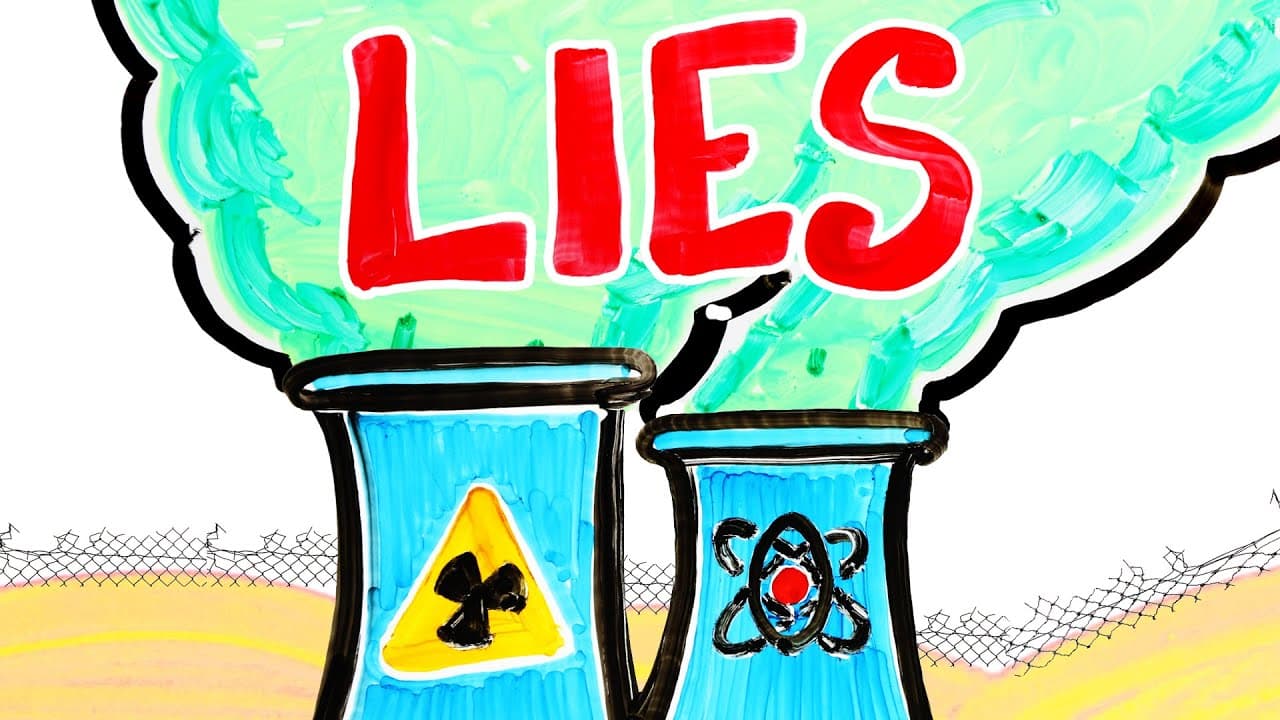
Despite popular beliefs and cultural depictions, nuclear energy is safer than fossil fuels and plays a crucial role in the transition to a zero-carbon future.
Transcript
- [Host] Thanks to Skillshare for sponsoring this episode. This was humanity's first introduction to nuclear power, the atomic bomb. - And this is a nuclear power plant, which you may know from all the times that they've broken down in history and scared the crap out of people. Hello, HBO's Chernobyl. - But you've actually been lied to about nuclea... Read More
Key Insights
- 🧑⚕️ Negative perceptions of nuclear energy stem from accidents and cultural depictions, but scientific studies show minimal health risks related to these incidents.
- ✊ Fossil fuel pollution causes more deaths annually than nuclear power, making nuclear energy a safer option.
- 🗑️ Nuclear waste is stored safely underground, while fossil fuel waste is released into the atmosphere, contributing to pollution and climate change.
- 💦 Nuclear power can play a significant role in achieving zero-carbon emissions and working alongside renewable energy sources.
- 🇨🇷 The economics of nuclear energy are currently a challenge, but advancements in technology and cost-effectiveness are being explored.
- 🤗 Infighting and polarization around nuclear energy hinder progress in the fight against climate change, requiring open discussions and collaboration.
Install to Summarize YouTube Videos and Get Transcripts
Explore YouTube Video Summarizer or Get YouTube Transcript Extractor
Questions & Answers
Q: How does nuclear energy work?
Nuclear power plants use controlled chain reactions of low enriched uranium to generate electricity. Water is heated by the reactor's pressurized water, which then turns into steam to rotate a turbine for electricity generation.
Q: Is nuclear energy safe?
Yes, newer generation reactors, like the pebble-bed reactor, are designed to prevent meltdowns and accidents. Studies show that modern nuclear power plants are safer than fossil fuel plants and have prevented more deaths than they have caused.
Q: What happens to nuclear waste?
Nuclear waste is classified as low or intermediate level waste and is stored underground in highly engineered casks. These storage solutions prevent any movement of radioactivity and can withstand natural disasters.
Q: Is nuclear energy economically viable?
Nuclear power plants are expensive to build, but advancements in smaller and cost-effective reactors are being explored. Nuclear energy, combined with renewable energy, can be a cost-effective and efficient solution for a zero-carbon future.
Summary & Key Takeaways
-
Nuclear energy was discovered in 1938 and has since been used for both destructive purposes (atomic bombs) and constructive purposes (nuclear power plants).
-
Negative connotations and fears about nuclear energy arose from accidents like Three Mile Island, Chernobyl, and Fukushima, but studies show that these incidents had minimal health consequences.
-
Nuclear power is safer than other energy sources, such as fossil fuels, which cause pollution and contribute to climate change.
Read in Other Languages (beta)
Share This Summary 📚
Summarize YouTube Videos and Get Video Transcripts with 1-Click
Try YouTube Summary with ChatGPT & Claude or YouTube Transcript Generator
Explore More Summaries from AsapSCIENCE 📚

Summarize YouTube Videos and Get Video Transcripts with 1-Click
Try YouTube Summary with ChatGPT & Claude or YouTube Transcript Generator