How Will AI and Crypto Change Who Owns the Internet?
TL;DR
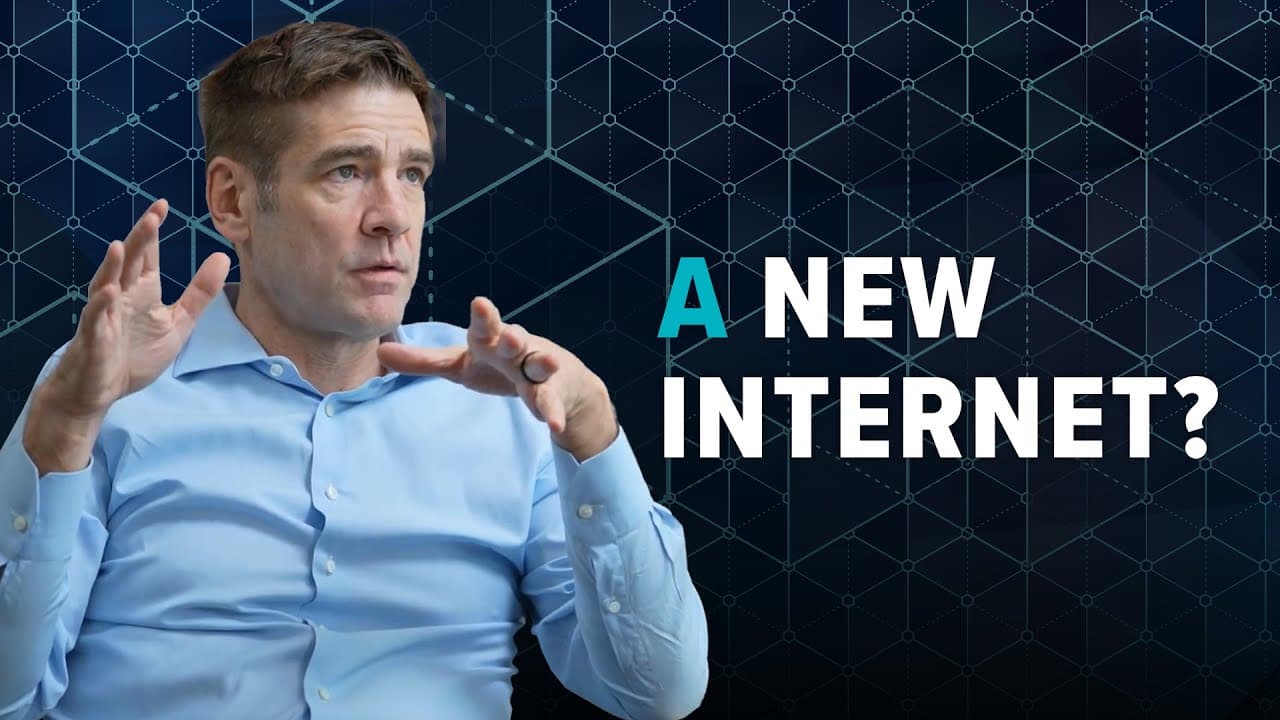
AI and crypto are transforming ownership models on the internet by providing new economic frameworks for creative professionals. These technologies enable decentralized ownership and innovative ways to monetize creative work, countering monopolization by major tech companies. A shift toward open-source and collaborative systems is essential for empowering artists and maintaining diversity in the digital landscape.
Transcript
what will be the economic models for Creative people in this in an AI world don't stop the inevitable which is the technology progressing lean into it and sort of rethink those models that to me is the most exciting area for this intersection Chris thanks for being here yeah thanks for having me I always love hanging out with you obviously you spen... Read More
Key Insights
- 👶 The intersection of AI and crypto offers new possibilities for reshaping economic models for creative professionals, emphasizing decentralized ownership.
- 👻 A diverse array of digital assets enhances collaboration through composability, allowing creators to innovate based on established works.
- ❓ The emergence of decentralized networks can counterbalance the monopolization tendencies of major technology companies, promoting equitable resource allocation.
- 🤗 Open-source AI and blockchain can facilitate a more inclusive ecosystem where creators retain control and transparency over their contributions.
- 👶 New business models must emerge to empower artists in the evolving landscape of generative AI to ensure fair compensation.
- 🛟 The evolution of creative industries will hinge on balancing technological advancements with preserving cultural and artistic diversity.
- 🗯️ Collective responses to the challenges posed by AI will require a collaborative approach, engaging all stakeholders in dialogue about rights and opportunities.
- 🎙️ More videos with Chris Dixon:
Install to Summarize YouTube Videos and Get Transcripts
Explore YouTube Video Summarizer or Get YouTube Transcript Extractor
Questions & Answers
Q: How do AI and crypto technologies complement each other in the creative industry?
AI provides tools for content creation, while crypto introduces new economic models for ownership and monetization. Together, they empower creators to retain control over their work and establish terms for usage and revenue sharing, fostering a more equitable environment in the digital space.
Q: What are the potential risks of AI technologies dominating the creative landscape?
The primary risk is the possibility of major companies monopolizing AI, stifling diversity in the creative economy. If a few entities control AI tools, creators may struggle to monetize their work fairly, leading to reduced opportunities and homogenized content across platforms.
Q: How does the concept of "composability" impact the creative industry?
Composability refers to the ability of creators to combine various digital assets and tools to produce new works. This principle encourages collaboration and innovation, allowing individuals to build on existing ideas and create dynamic, interconnected digital creations, akin to open-source software development.
Q: What is the "New Covenant" relating to the internet and AI?
The "New Covenant" suggests a shift in how content creators interact with AI-driven platforms. Unlike the early internet model, where creators received traffic in return for their content, AI's direct answers could bypass these interactions, necessitating new agreements to ensure that creators benefit from their contributions.
Q: How does the integration of decentralized networks address current internet monopolies?
Decentralized networks facilitate community ownership and governance, redirecting financial flows to creators rather than intermediaries. By leveraging blockchain technology, these networks can create ecosystems where independent creators thrive and retain control over their digital content and revenue.
Q: What is the significance of inspiring human creativity in the adoption of AI technologies?
Human creativity is deemed critical because it drives innovation and determines how AI is applied in various sectors. As individuals use AI tools to enhance their creative outputs, the true potential of these technologies will be realized, ultimately shaping new art forms and experiences.
Q: What challenges might the creative community face when adopting generative AI tools?
Resistance from established industries, regulatory hurdles, and cultural acceptance could pose significant challenges. The adaptation period may require societal shifts in how we perceive creativity, labor, and intellectual property, influencing the overall landscape for creative professionals.
Q: How can new incentive systems support creators in an AI-powered future?
By designing systems that reward creators fairly and transparently, such as blockchain-based agreements for usage rights and revenue sharing, the creative community can thrive. This encourages diverse artistic expressions while ensuring that artists receive appropriate recognition and compensation for their work.
Summary & Key Takeaways
-
The integration of AI and crypto suggests a revolutionary shift in economic models for creative individuals, enabling new ways to monetize art and services.
-
A critical perspective on the potential monopolization of AI technologies points to the necessity for new incentive structures to support creators in the digital landscape.
-
Discussions around decentralized networks emphasize the importance of ownership and governance in preserving diversity and innovation in internet services.
Read in Other Languages (beta)
Share This Summary 📚
Summarize YouTube Videos and Get Video Transcripts with 1-Click
Try YouTube Summary with ChatGPT & Claude or YouTube Transcript Generator
Explore More Summaries from a16z 📚




Summarize YouTube Videos and Get Video Transcripts with 1-Click
Try YouTube Summary with ChatGPT & Claude or YouTube Transcript Generator