How to assess postpartum mental illness in a trial
TL;DR
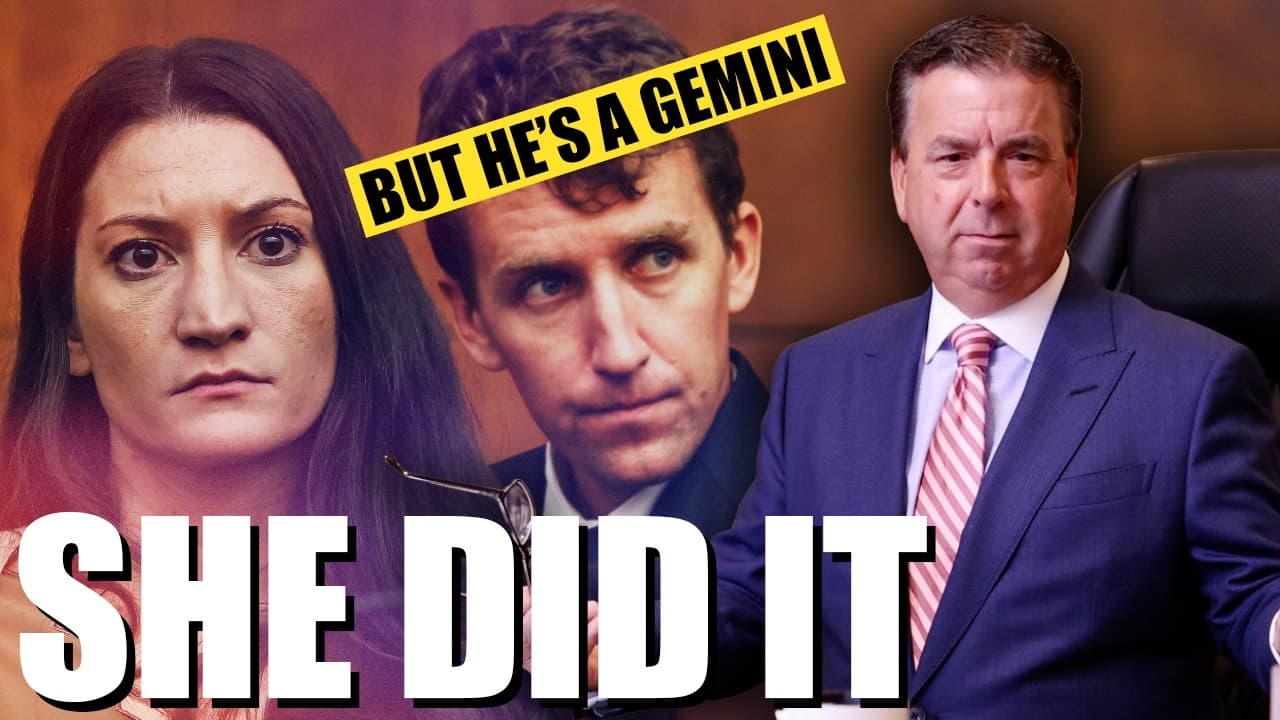
The defense argues that Lindsay Clancy suffered a severe postpartum psychiatric condition that could excuse criminal conduct, while the state must prove she was not suffering from mental illness or that it did not prevent understanding right from wrong. The discussion covers insanity defenses, mental illness standards, and the impact of treatment and recognition by authorities. The judge and jury would weigh whether mental illness absolves or mitigates responsibility.
Transcript
So here's the danger. This is why we even bring up these stupid theories and these don't go give pay any attention to these people who are, you know, forensic astrology chart. Oh my god. You know, why didn't you go to the DA's office and present and see what they think? I mean, it's just irresponsible. And and you're destroying a man who, you know,... Read More
Key Insights
- The defense argues postpartum depression and possible postpartum psychosis affect criminal responsibility.
- The state must prove the defendant was not suffering from a mental illness or that it did not impair knowing right from wrong.
- Insanity does not necessarily mean freedom; civil commitment can occur if found not guilty by reason of mental illness.
- The trial centers on whether mental illness was severe enough to influence actions at the time of the crime.
- Public discussion includes comparisons to other cases involving mental health and criminal outcomes.
- The video references the idea that treatment and access to care influence how these cases are handled in court.
- The host notes that mental health is a critical factor in verdicts and potential hospital confinement.
- The sponsor plug emphasizes a legal research platform with AI and human attorney support.
Install to Summarize YouTube Videos and Get Transcripts
Explore YouTube Video Summarizer or Get YouTube Transcript Extractor
Questions & Answers
Q: What is the core legal issue in Lindsay Clancy's case?
The core issue is whether Lindsay Clancy was suffering from postpartum depression or postpartum psychosis to the extent that she could not understand right from wrong at the time of the crime. The defense contends mental illness affected responsibility, while the state must establish that any mental illness did not impair her capacity to know what she did was wrong or that she was not legally insane.
Q: What does not guilty by reason of insanity imply for the defendant?
Not guilty by reason of insanity means the defendant is found to have been legally insane at the time of the crime. This does not result in instant freedom; instead, the person is typically civilly committed to a mental health facility where ongoing treatment and risk assessment determine their confinement duration and potential release.
Q: How is postpartum mental illness treated in criminal proceedings according to the video?
The video explains that postpartum mental illness is treated by evaluating whether the illness impacted the ability to know right from wrong or to control actions. If the defense proves insanity, the burden shifts to the state to show the defendant was not mentally ill or that the illness did not negate criminal responsibility, leading to confinement rather than punishment.
Q: What role does treatment history play in these cases?
Treatment history is crucial because it can demonstrate whether the defendant had access to care and whether that care was adequate or timely. The defense may argue that lack of treatment contributed to the crisis, while the prosecution may argue that treatment access does not negate the act or the capacity to understand consequences.
Q: What can be expected from the jury in mental illness cases like this?
Juries in mental illness cases must weigh scientific testimony from experts, consider the defendant’s behavior and mental state at the time of the crime, and determine whether the burden of proving sanity beyond reasonable doubt is satisfied. They also consider whether the defendant should be confined for public safety or receive treatment in a hospital setting.
Q: Does not guilty by reason of mental illness mean the defendant walks free?
No, not at all. Not guilty by reason of mental illness means the person may be civilly committed to a secure facility for ongoing treatment and risk management. Release depends on assessments of danger and progress, not on an automatic entitlement to freedom.
Q: What is the significance of public commentary on mental health in this case?
Public commentary shapes perceptions of culpability and the acceptability of psychiatric defenses. It highlights the tension between blaming the individual and recognizing psychiatric conditions, while also underscoring the importance of access to mental health care and timely intervention to prevent tragedies.
Q: Why might Lindsay Clancy’s case be compared to other high-profile insanity defenses?
The case is compared to others to illustrate how courts handle postpartum mental health, the nuances of insanity standards, and the balance between compassion for the affected families and the need to ensure the defendant does not pose a danger. Comparisons help explain expectations for treatment, confinement, and potential releases.
Summary & Key Takeaways
-
A nurse facing trial for killing her three children is discussed through the lens of postpartum depression and potential postpartum psychosis, with focus on how mental illness affects criminal responsibility and whether the defense can establish an insanity defense.
-
The debate includes treatment gaps, the role of mental health in jury decisions, and how not guilty by reason of insanity would lead to civil commitment rather than freedom.
-
The video emphasizes that mental illness does not automatically free a defendant from consequences, and prosecutors argue the state must prove the defendant understood wrong and did not suffer from a disabling condition.
Read in Other Languages (beta)
Share This Summary 📚
Summarize YouTube Videos and Get Video Transcripts with 1-Click
Try YouTube Summary with ChatGPT & Claude or YouTube Transcript Generator
Explore More Summaries from CLR Bruce Rivers 📚



Summarize YouTube Videos and Get Video Transcripts with 1-Click
Try YouTube Summary with ChatGPT & Claude or YouTube Transcript Generator