Why End the Dollar's Reserve Currency Status?
TL;DR
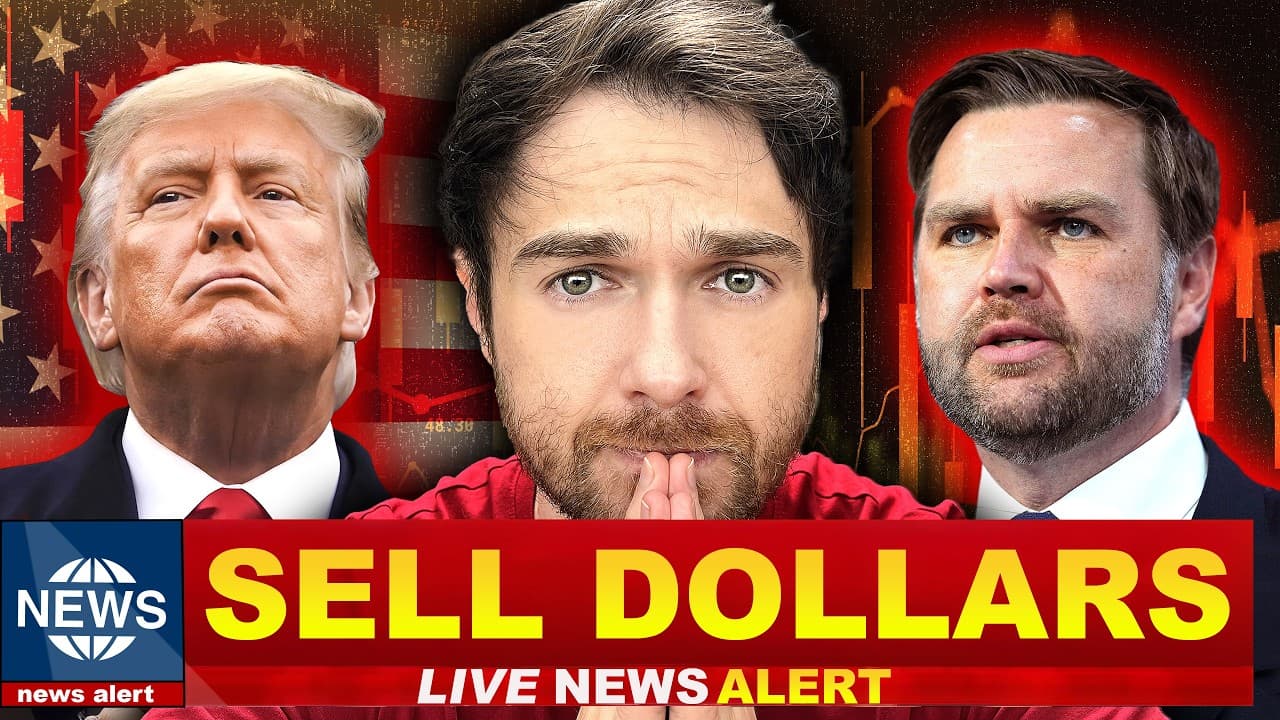
The video discusses the potential consequences of ending the US dollar's status as the world's reserve currency. JD Vance argues that this status is a 'resource curse,' similar to coal in Appalachia, while others believe it is a significant advantage. The video explains the economic implications, including the challenges of managing national debt and the impact on global financial systems.
Transcript
So, the vice president of the United States, JD Vance, has been saying that maybe it's time to end the dollar as the world's reserve currency. I >> I am not sure that I think the reserve currency is actually good for the United States of America. Uh I think there is a good argument that reserve currency status is akin to coal and Appalachia. It's a... Read More
Key Insights
- The US dollar's status as the world reserve currency is debated as either a privilege or a 'resource curse.'
- JD Vance suggests ending the dollar's reserve status due to its potential drawbacks for the US.
- The reserve currency status allows the US to exert significant global financial influence.
- High national debt and rising bond yields pose challenges to maintaining the dollar's dominance.
- Some countries are moving away from US Treasury bonds, opting for gold instead.
- The US has implemented measures like buying long-term Treasury bonds to manage interest rates.
- Central bank gold purchases are near all-time highs, signaling a shift in reserve asset preferences.
- The US faces a potential debt spiral as interest costs outpace economic growth.
Install to Summarize YouTube Videos and Get Transcripts
Explore YouTube Video Summarizer or Get YouTube Transcript Extractor
Questions & Answers
Q: Why is the US dollar considered a 'resource curse'?
The US dollar is considered a 'resource curse' by some because its status as the world's reserve currency can lead to economic imbalances. This status allows the US to exert significant financial influence globally, but it may also contribute to a hollowing out of the domestic economy by focusing on financial services rather than tangible goods and infrastructure.
Q: What are the challenges of maintaining the dollar's reserve status?
Maintaining the dollar's reserve status involves managing high national debt and rising bond yields. As foreign central banks reduce their holdings of US Treasury bonds, the US must implement measures like buying long-term bonds to control interest rates. Additionally, the dollar's role as a global reserve currency is challenged by countries favoring gold as a reserve asset.
Q: How does the US plan to manage its national debt?
The US plans to manage its national debt by shifting it from long-term to short-term, where the Federal Reserve can control interest rates more effectively. This involves buying back long-term bonds and issuing more short-term Treasury bills. The strategy aims to maintain economic stability by controlling interest costs and leveraging inflation to reduce debt in real terms.
Q: Why are countries moving away from US Treasury bonds?
Countries are moving away from US Treasury bonds due to concerns about the dollar's weaponization in global politics and economic sanctions. Central banks are increasingly purchasing gold as a more stable reserve asset. This shift reflects a desire to diversify reserves and reduce reliance on the US dollar amid geopolitical tensions and economic uncertainties.
Q: What is the impact of central bank gold purchases?
Central bank gold purchases impact global financial dynamics by reducing demand for US Treasury bonds and increasing gold's role as a reserve asset. This trend signifies a shift in confidence away from the dollar, potentially affecting its value and the US's ability to influence global markets. It also reflects broader concerns about currency stability and geopolitical risks.
Q: What is a debt spiral, and how does it affect the US economy?
A debt spiral occurs when a nation's interest costs exceed its economic growth, leading to increasing debt burdens and borrowing. For the US, this means higher interest payments, reduced fiscal flexibility, and potential inflationary pressures. It challenges economic stability and necessitates strategies to manage debt sustainably, such as shifting borrowing to short-term instruments and leveraging inflation.
Q: How does inflation relate to the US debt strategy?
Inflation is integral to the US debt strategy as it reduces the real value of debt over time. By allowing inflation to run above interest rates on short-term debt, the US can effectively decrease its debt burden. This approach relies on maintaining control over short-term interest rates and leveraging inflation to manage national debt without triggering a financial crisis.
Q: What role do stable coins play in the US debt strategy?
Stable coins play a role in the US debt strategy by potentially serving as a new, large-scale buyer of US short-term Treasury debt. As digital dollars backed by Treasury securities, stable coins provide a means for global users to hold US dollars without requiring interest, supporting demand for US debt and helping maintain economic influence amid decreasing foreign central bank purchases.
Summary & Key Takeaways
-
The US dollar's role as the world's reserve currency is under scrutiny, with some arguing it's a 'resource curse.' JD Vance advocates ending this status, citing economic disadvantages. The video explores the implications of this shift, including national debt management and global financial stability.
-
The video highlights the challenges of maintaining the dollar's reserve status amid rising national debt and bond yields. Countries are increasingly favoring gold over US Treasury bonds, altering global financial dynamics. The US employs strategies to manage interest rates and maintain economic influence.
-
Central bank gold purchases are at historic highs, reflecting a shift from US Treasury bonds. The video discusses the potential debt spiral the US faces as interest costs exceed economic growth. It examines the broader economic impact of these trends and the strategies employed to address them.
Read in Other Languages (beta)
Share This Summary 📚
Summarize YouTube Videos and Get Video Transcripts with 1-Click
Try YouTube Summary with ChatGPT & Claude or YouTube Transcript Generator
Explore More Summaries from Andrei Jikh 📚


Summarize YouTube Videos and Get Video Transcripts with 1-Click
Try YouTube Summary with ChatGPT & Claude or YouTube Transcript Generator