Why Is Apple Blocking Vibe Coding Apps Like Replit?
TL;DR
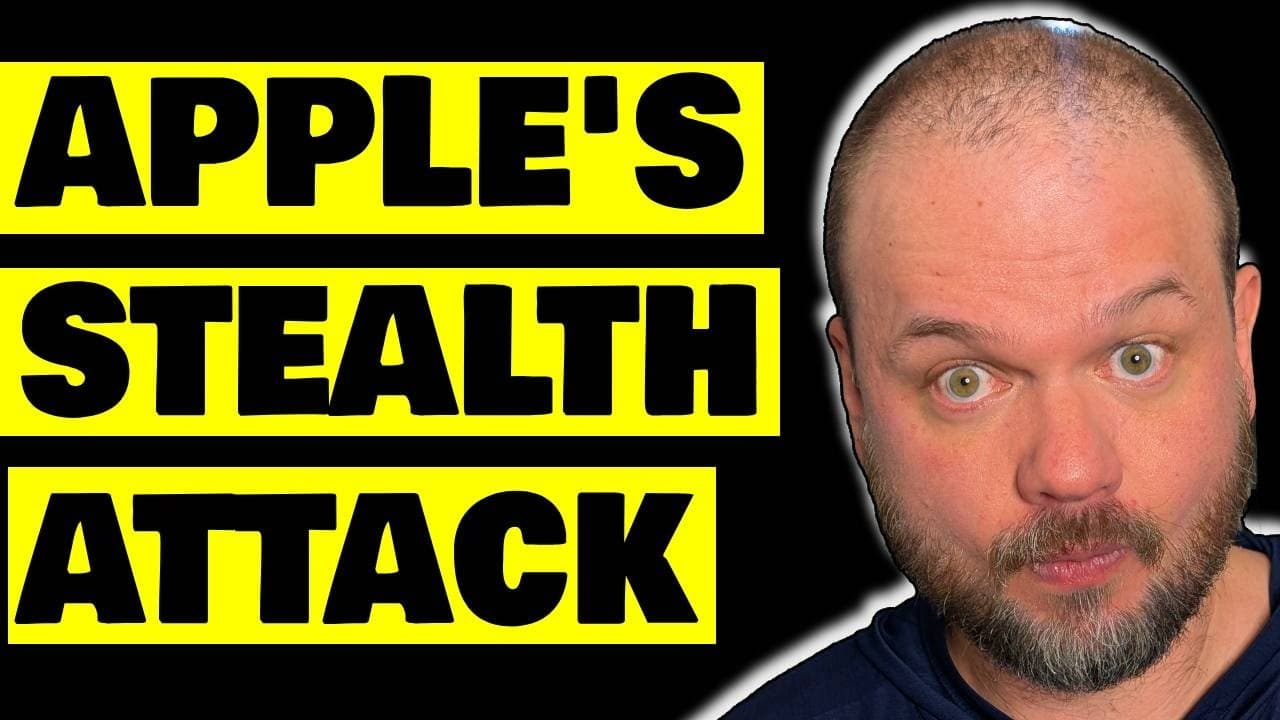
Apple says it is blocking updates to Replit and Vibe Code because App Store guideline 2.5.2 bars apps from downloading or executing code that changes their functionality. The apps still work but have reportedly been unable to push updates since January or February 2026, while critics argue Apple is also protecting its review process and commission revenue. Read on for the rules, business stakes, and WeChat precedent behind the dispute.
Transcript
So, Apple really doesn't like this AI thing. It kind of seems that they keep betting against it. They put out a paper called the illusion of thinking. We covered that on this channel. There's a lot of things wrong with that paper. They tried to coin the term AI for Apple intelligence. And they still don't have an AI model capable of doing anything.... Read More
Key Insights
- Vibe coding is an approach coined by Andre Karpathy where users describe an app in plain English and AI generates the entire working app, requiring no coding knowledge, letting a non-developer request something like a calorie tracking app and receive it.
- Apple is blocking updates to popular apps like Replit and Vibe Code, saying these are not new rules but old guidelines it is only now enforcing, leaving the apps functional but unable to push updates since around January or February 2026.
- Guideline 2.5.2 requires apps to be self-contained and prohibits downloading, installing, or executing code that changes their own functionality or that of other apps, which is the rule Apple cites against vibe coding apps.
- Vibe Code, made by co-founder Riley Brown, is mobile-first on iOS and Android, currently runs Opus 4.6, and handles front end, back end, payments, and deployment, even helping users publish apps on the App Store.
- Historical precedent shows these standoffs end in revenue sharing, as with WeChat mini apps: Apple held up WeChat updates for years before striking a deal last year where Apple takes 15% of payments inside WeChat mini apps.
- App Store commissions may represent only 6 to 7% of Apple's total annual revenue but, given phenomenal margins, could account for roughly 20 to 25% of Apple's total profit, making the threat disproportionately large.
- The App Store is being flooded with submissions, approaching 3,000 new apps daily, over 1 million per year, against a total of about 2.2 million apps, slowing Apple's review team and degrading approval times for all developers.
- Apple recently added vibe coding features to Xcode powered by OpenAI and Anthropic models, the same models building apps on these platforms, even as it cracks down on the independent vibe coding apps that threaten Xcode.
Install to Summarize YouTube Videos and Get Transcripts
Explore YouTube Video Summarizer or Get YouTube Transcript Extractor
Questions & Answers
Q: Why is Apple blocking updates to vibe coding apps like Replit and Vibe Code?
Apple says it is enforcing existing rules rather than introducing restrictions specifically for AI. Because these platforms can generate other apps within themselves, Apple argues that they can bypass its review process and violate rules limiting downloaded code that changes an app’s functionality or primary purpose. The video also argues that protecting App Store commission revenue may be a deeper motive.
Q: What is vibe coding, and who coined the term?
Vibe coding is an approach in which someone describes an app in plain English and AI generates the working software. Andre Karpathy, an AI researcher formerly with Tesla and OpenAI, coined the term. The transcript says no coding knowledge is required and gives a calorie-tracking app as an example.
Q: Which App Store rules does Apple cite against vibe coding apps?
Guideline 2.5.2 says apps must be self-contained and cannot download, install, or execute code that changes their own functionality or that of other apps. Developer Program License 3.3.1b says downloaded interpreted code cannot alter an app’s primary purpose. Apple maintains that these are longstanding rules it is now enforcing for these apps.
Q: Can people still use Replit and Vibe Code while their updates are blocked?
Yes, the apps still work, according to the transcript. However, Apple has reportedly refused to allow new updates since around January or February 2026, leaving the apps in review limbo.
Q: What is Vibe Code, and what can it build?
Vibe Code is a mobile-first app co-founded by Riley Brown and available on iOS and Android. Users describe an app idea, and its AI handles the front end, back end, payments, and deployment. The existing page fields say it runs Opus 4.6 and can also help users publish apps on the App Store.
Q: How did Apple’s dispute over WeChat mini apps end?
Tencent allowed third parties to launch mini apps within WeChat, enabling activity that did not need to pass through Apple’s usual App Store system. Apple held up WeChat updates for years before the parties reached a deal under which Apple takes 15% of payments inside WeChat mini apps. The video presents this as a precedent for enforcement disputes ending in revenue sharing.
Q: How important are App Store commissions to Apple’s business?
The existing page fields estimate that App Store commissions may represent 6% to 7% of Apple’s annual revenue. Because the margins are described as exceptionally high, they may account for roughly 20% to 25% of Apple’s total profit. The page notes that Apple does not separately disclose how much services revenue comes specifically from the App Store.
Q: Why do vibe coding apps pose a broader threat to Apple?
A vibe coding platform can generate many different apps inside one approved app, potentially bypassing Apple’s individual review process and commission structure. The existing page fields also say Apple recently added vibe coding features to Xcode using OpenAI and Anthropic models. That puts independent vibe coding apps in competition with both Apple’s developer tooling and its highly profitable App Store business.
Summary & Key Takeaways
-
Apple is cracking down on vibe coding apps, specifically Replit and Vibe Code, by refusing to approve their updates since roughly January or February 2026. The apps still function but cannot push new updates. Apple maintains it is simply enforcing longstanding guidelines rather than inventing new rules targeting AI.
-
Vibe coding, coined by Andre Karpathy, lets anyone describe an app in plain English and have AI build it fully, bypassing coding knowledge. Because a vibe coding app can generate any other app within itself, it effectively bypasses Apple's review process and commission structure, conflicting with guidelines 2.5.2 and 3.3.1b.
-
Critics like former Spotify lawyer Gene Burrus argue Apple's real motive is protecting revenue and blocking competition. Precedents like WeChat, Epic Games, and a 500 million euro EU fine suggest these fights end in revenue sharing. Vibe coding threatens App Store commissions, Xcode, and Apple's long-term services profit.
Read in Other Languages (beta)
Share This Summary 📚
Summarize YouTube Videos and Get Video Transcripts with 1-Click
Try YouTube Summary with ChatGPT & Claude or YouTube Transcript Generator
Explore More Summaries from Wes Roth 📚



Summarize YouTube Videos and Get Video Transcripts with 1-Click
Try YouTube Summary with ChatGPT & Claude or YouTube Transcript Generator