Is the Willie Lynch Letter an Authentic Document?
TL;DR
The Willie Lynch Letter is not an authentic 1712 document, according to the historical and linguistic problems discussed. It appeared in popular circulation centuries later, contains language and geographic concepts that allegedly postdate its supposed delivery, and has nevertheless spread through speeches, films, music, and online sharing because its account of division resonates with continuing concerns about conflict within Black communities.
Transcript
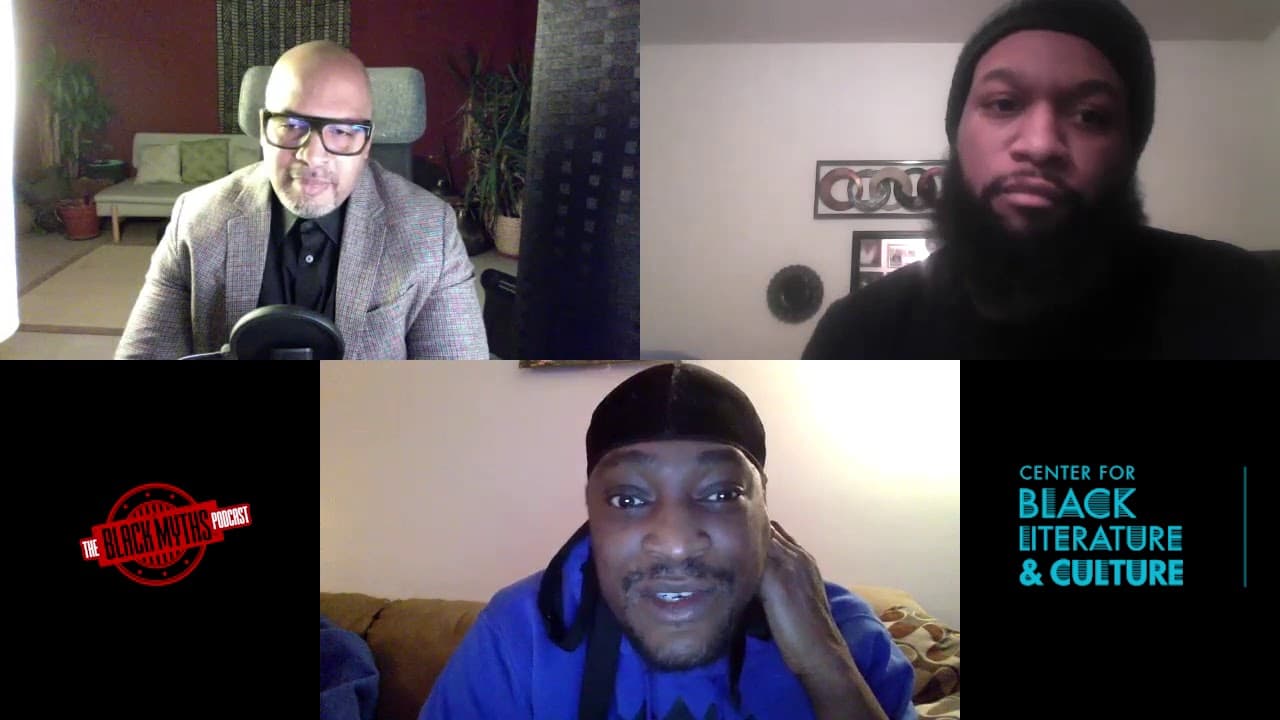
the black mist podcast is an informative conversational show analyzing popular myths about black culture of a socio-political nature translation we just debunking the bull that be said about black people all right welcome to the black mist podcast welcome to the black mist podcast um my host i'm your host two black um here today with my co-host tyr... Read More
Key Insights
- The Willie Lynch Letter is presented as a 1712 speech by a West Indies slaveholder who supposedly traveled to an unspecified location near Virginia's James River to advise slaveholders facing rebellions. His alleged method used fear, distrust, and envy to turn differences among enslaved people into mechanisms of control.
- The document's historical trail is a central authenticity problem. The discussion says the speech did not appear in popular culture before at least 1970 and was not widely distributed until 1993, when a librarian placed it on a University of Missouri at St. Louis website.
- The librarian who uploaded the letter reportedly did not regard it as authentic. According to the discussion, she nevertheless believed it expressed something about the former and current condition of African America, illustrating the distinction between a document's factual origin and its perceived emotional or political truth.
- The letter's vocabulary allegedly conflicts with its claimed date. The hosts identify the word “program” as an example, stating that its relevant English connotation did not enter the language until 1837, more than a century after the supposed 1712 speech.
- The letter's use of “the South” is presented as another chronological problem. The discussion states that no region in what is now the United States was identified that way in 1712 and that the distinct geographical meaning developed about a century after the alleged speech.
- The alleged control strategy works by enlarging differences among enslaved people. The quoted list includes age, skin color or shade, intelligence, sex, height, hair texture, plantation status, geography, owners' attitudes, and residence in a valley or on a hill.
- The letter became influential through repetition in public culture. The discussion identifies Louis Farrakhan's 1995 Million Man March speech, the film The Great Debaters, poetry, rap lyrics, an album title, and social media as channels that reinforced the story.
- The distinction between authenticity and sentiment explains the letter's persistence. Some public figures and audiences reportedly concede that Willie Lynch may not have written it while continuing to believe that an unnamed person or system created the divisive practices described in the text.
Install to Summarize YouTube Videos and Get Transcripts
Explore YouTube Video Summarizer or Get YouTube Transcript Extractor
Questions & Answers
Q: Is the Willie Lynch Letter a real historical document?
The discussion concludes that the Willie Lynch Letter is not an authentic historical document from 1712. Its supporters describe it as a speech delivered near Virginia's James River by a West Indies slaveholder, but the hosts identify no specific Virginia city and no contemporary record. They also say the text appeared only centuries later and contains language inconsistent with its claimed date.
Q: What does the Willie Lynch Letter claim happened in 1712?
The letter claims that a slaveholder named Willie or William Lynch traveled from the West Indies to Virginia in 1712 because local slaveholders were struggling with rebellions. He allegedly delivered a short speech teaching them to control enslaved people through fear, distrust, and envy, then returned home. The method supposedly would remain effective for at least 300 years.
Q: How was the Willie Lynch method supposed to control enslaved people?
The alleged method called for identifying differences among enslaved people, making those differences larger, and using distrust as a permanent control mechanism. The quoted categories include age, skin shade, intelligence, sex, height, hair texture, plantation status, geographic location, and owners' attitudes. It also instructs slaveholders to set young and old people, men and women, and light-skinned and dark-skinned people against one another.
Q: When did the Willie Lynch Letter enter public circulation?
According to the discussion, the letter did not appear in popular culture until at least 1970 and did not become widely distributed until 1993. That year, a librarian uploaded it to a University of Missouri at St. Louis website. This late appearance is presented as a major problem for the claim that the text records a speech delivered in 1712.
Q: What language makes the Willie Lynch Letter historically doubtful?
The hosts identify the word “program” as a significant linguistic problem. They state that the word did not enter English with the meaning used in the letter until 1837, even though the speech supposedly dates to 1712. They also question the reference to “the South,” saying that this geographic identity did not become distinct until roughly a century after the alleged speech.
Q: Why do people still believe the Willie Lynch Letter matters?
The discussion argues that many people separate factual authenticity from emotional or political meaning. Some may accept that the letter was fabricated while believing its description of division captures genuine conflicts within Black communities. One cited response says that even if Willie Lynch was not responsible, someone or some system created the divisive ideology, allowing the letter's sentiment to survive challenges to its origin.
Q: How did popular culture spread the Willie Lynch story?
The story spread through prominent speeches, films, music, poetry, and social media. Louis Farrakhan quoted the letter during his 1995 Million Man March speech. The Great Debaters included a speech describing Willie Lynch and connecting his name to lynching. The hosts also cite references by Talib Kweli, Black Ice, Kendrick Lamar, and Rapsody as examples of its cultural reach.
Q: Why is The Great Debaters reference to Willie Lynch questioned?
The hosts question the film's reference because its story is set in the 1930s, while they say the Willie Lynch Letter did not surface until at least 1970. A character based on a real farmers' union organizer delivers a detailed account of Willie Lynch, including the claim that the word “lynching” came from his surname. The chronology therefore makes that knowledge appear historically implausible.
Summary & Key Takeaways
-
The discussion examines the story that a West Indies slaveholder named Willie or William Lynch traveled to Virginia in 1712. He supposedly taught slaveholders to control enslaved people by intensifying differences involving age, skin shade, sex, intelligence, physical traits, plantation status, geography, and relationships between enslaved people and white authorities.
-
The hosts argue that the document lacks a credible historical record. They say it appeared no earlier than 1970 and was not widely distributed until 1993, when a librarian uploaded it to a University of Missouri at St. Louis website. The librarian reportedly acknowledged that it was not an authentic document.
-
The letter gained cultural influence through Louis Farrakhan's Million Man March speech, The Great Debaters, and references by musicians and poets. The discussion distinguishes factual authenticity from emotional resonance: some people accept that the document may be fabricated while maintaining that its description of engineered distrust reflects a meaningful social reality.
Read in Other Languages (beta)
Share This Summary 📚
Summarize YouTube Videos and Get Video Transcripts with 1-Click
Try YouTube Summary with ChatGPT & Claude or YouTube Transcript Generator