How to Teach Your Dog the Send Out/Send Away Command
TL;DR
Learn how to teach your dog the send out command effectively.
Transcript
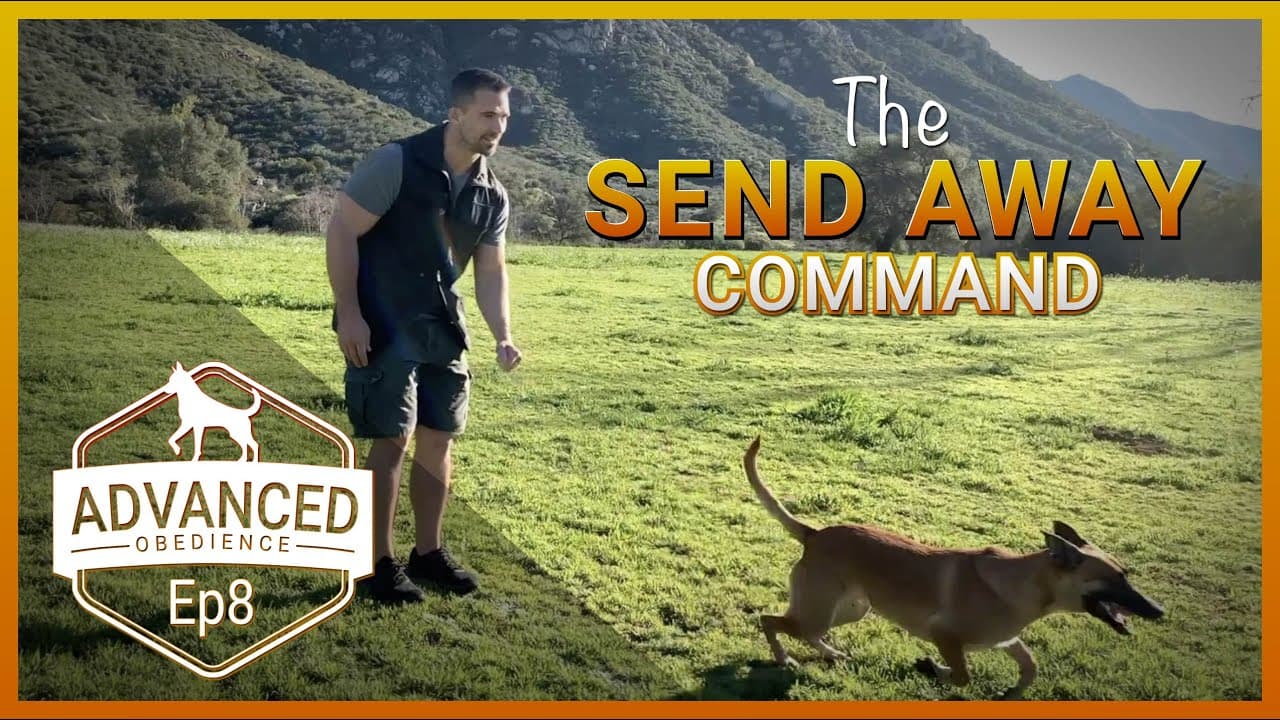
but in today's video we're going to be teaching our dogs to send out command this is something that you will see often in competition obedience but it's also fun exercise to teach your dogs a lot of times I'll use this when I'm playing fetch with my dogs I can tell them to run they take off and then I throw the ball over their head and it's a great... Read More
Key Insights
- The send out command is commonly seen in competitive obedience but is also a fun exercise for dogs.
- Using a target like a phone or toy helps guide the dog during training, making it easier to direct their focus.
- Repetition and patience are essential when teaching the send out command, especially for young puppies.
- Building distance gradually is crucial for dogs to understand the command and not get confused mid-way.
- Using physical cues and pointing helps dogs associate the direction with the command, reinforcing their learning.
- Incorporating toys or treats as rewards can increase motivation and speed during training sessions.
- Training partners can be helpful, but solo training is also effective with the right techniques and consistency.
- Ensuring the dog believes there's a reward at the end of the run encourages them to complete the command.
Install to Summarize YouTube Videos and Get Transcripts
Explore YouTube Video Summarizer or Get YouTube Transcript Extractor
Questions & Answers
Q: What is the send out command used for?
The send out command is primarily used in competitive obedience to direct a dog to move away from the handler in a specific direction. It is also a fun exercise for dogs, providing both mental and physical stimulation during playtime, such as fetch.
Q: How do you begin teaching the send out command?
Teaching the send out command begins with selecting a target, like a phone or toy, and placing it at a short distance. The dog is guided to the target using physical cues and verbal commands, with rewards given upon successful execution. Repetition and gradually increasing the distance are crucial.
Q: Why is it important to use physical cues in training?
Physical cues, such as pointing, are important because they help the dog associate the direction with the command. This visual guidance reinforces the verbal command, making it easier for the dog to understand what is expected and improving their response to the send out command.
Q: What role do rewards play in the send out command?
Rewards play a critical role in motivating the dog to perform the send out command. By using toys or treats as incentives, dogs are encouraged to complete the task with enthusiasm and speed. The belief in a reward at the end reinforces the behavior, making the training more effective.
Q: Can the send out command be taught without a training partner?
Yes, the send out command can be taught without a training partner. Although having a partner can be helpful, solo training is effective with the right techniques. Consistency, patience, and using clear physical and verbal cues are key to successful training without assistance.
Q: How does the handler ensure the dog runs the full distance?
To ensure the dog runs the full distance, the handler can accompany the dog to the target, almost racing them, to show where the reward is. This approach helps the dog understand the complete path and reinforces the expectation of reaching the target for a reward.
Q: What should be done if a dog gets confused mid-command?
If a dog gets confused mid-command, the handler should guide the dog to the target, either by walking with them or using encouraging gestures and verbal cues. This helps the dog regain focus and understand the task, reinforcing their learning and confidence in executing the command.
Q: What is the significance of believing in a reward during training?
Believing in a reward is significant because it motivates the dog to complete the command with enthusiasm and ensures they associate the task with positive outcomes. This belief strengthens the dog's commitment to the exercise and encourages consistent performance, making the training process more effective.
Summary & Key Takeaways
-
The send out command is a useful and entertaining exercise for dogs, often seen in competitive obedience. It involves directing the dog to move away from the handler in a specific direction using a target.
-
Training involves using a target like a phone or toy, guiding the dog with physical cues, and gradually increasing distance. Repetition and patience are key, especially with young puppies.
-
Rewards such as toys or treats motivate dogs, and ensuring they believe in a reward at the end reinforces the behavior. Training partners can assist, but solo training is effective with consistency.
Read in Other Languages (beta)
Share This Summary 📚
Summarize YouTube Videos and Get Video Transcripts with 1-Click
Try YouTube Summary with ChatGPT & Claude or YouTube Transcript Generator
Explore More Summaries from Nate Schoemer 📚



Summarize YouTube Videos and Get Video Transcripts with 1-Click
Try YouTube Summary with ChatGPT & Claude or YouTube Transcript Generator