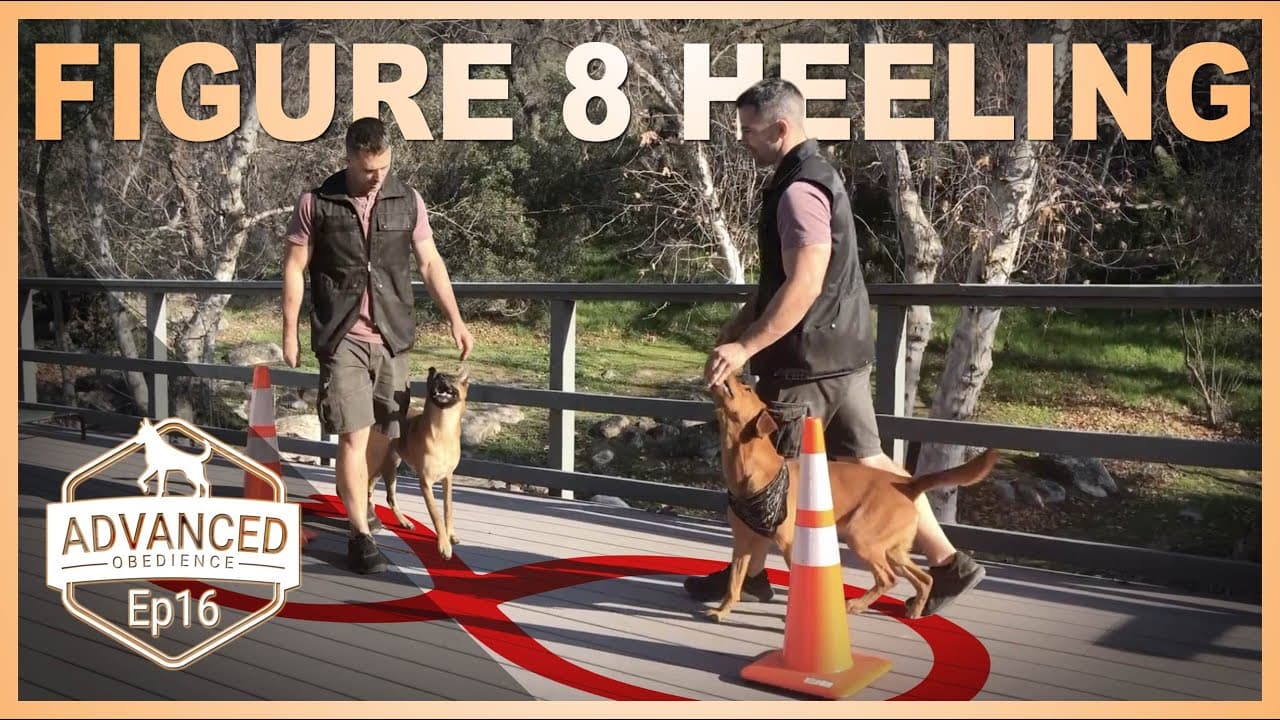
Figure 8 Heeling | Advanced Obedience Dog Training.
TL;DR
Figure 8 heeling enhances dog obedience through structured training.
Transcript
before starting our figure 8 healing we want to make sure that our dog first of all knows leash pressure they understand power steering and you've done the left about turn as well as the right about term then we're ready to do or then we're ready to start our dog on figure 8 heeling when I'm doing figure 8 heeling first I'm gonna start off with som... Read More
Key Insights
- Figure 8 heeling is an advanced obedience exercise requiring the dog to understand leash pressure and power steering.
- Starting with cones simplifies the training process before progressing to using people as obstacles.
- Dogs must learn to adjust their speed; slowing down on tighter turns and speeding up on wider turns.
- Leash pressure is a critical tool for guiding dogs through the figure 8 pattern and maintaining correct positioning.
- Consistency and repetition are essential for mastering the figure 8, especially in maintaining heel position.
- Reward-based training, using treats or terminal markers, encourages dogs to follow commands and complete the exercise.
- Using two leashes, one in front and one behind, can help in guiding the dog more effectively.
- The exercise not only enhances obedience but also prepares dogs for competitive environments.
Install to Summarize YouTube Videos and Get Transcripts
Explore YouTube Video Summarizer or Get YouTube Transcript Extractor
Questions & Answers
Q: Why is it important for a dog to understand leash pressure before starting figure 8 heeling?
Understanding leash pressure is crucial because it serves as a communication tool between the dog and the trainer. It helps guide the dog through the figure 8 pattern, ensuring they maintain the correct heel position. Without this understanding, the dog may struggle to follow commands and adjust its speed and positioning effectively.
Q: How does using cones initially aid in teaching figure 8 heeling?
Using cones initially simplifies the training process by providing a clear and consistent obstacle for the dog to navigate around. It removes the variability of using people, allowing the dog to focus on learning the pattern and adjusting its speed. Once the dog is comfortable with cones, transitioning to people becomes easier.
Q: What role does speed adjustment play in figure 8 heeling?
Speed adjustment is crucial in figure 8 heeling because the dog must learn to slow down on tighter turns and speed up on wider turns. This ensures they maintain the correct heel position relative to the trainer. Proper speed adjustment demonstrates the dog's understanding of the exercise and enhances their obedience.
Q: How can reward-based training benefit figure 8 heeling?
Reward-based training benefits figure 8 heeling by reinforcing positive behavior and encouraging the dog to follow commands. Using treats or terminal markers motivates the dog to complete the exercise correctly and maintain the heel position. This approach makes the training process enjoyable and effective, leading to better results.
Q: What is the significance of using two leashes in figure 8 heeling?
Using two leashes, one in front and one behind, provides better control and guidance during figure 8 heeling. It allows the trainer to correct the dog's position more precisely, ensuring they maintain the correct heel position throughout the exercise. This technique is particularly useful for dogs that struggle with maintaining consistent positioning.
Q: How does figure 8 heeling prepare dogs for competitive environments?
Figure 8 heeling prepares dogs for competitive environments by teaching them to navigate obstacles while maintaining a precise heel position. The exercise enhances their obedience, focus, and ability to follow commands under pressure. Mastering this skill is essential for success in elite dog training competitions, where precision and control are critical.
Q: What challenges might trainers face when teaching figure 8 heeling?
Trainers might face challenges such as the dog struggling to adjust its speed, maintain heel position, or understand leash pressure. Consistent repetition and clear communication are essential to overcoming these challenges. Additionally, transitioning from cones to people as obstacles can be difficult, requiring patience and gradual progression.
Q: Why is it important to practice automatic sit when halted in figure 8 heeling?
Practicing automatic sit when halted is important because it reinforces the dog's obedience and readiness to follow commands. It ensures the dog remains focused and maintains the correct position during pauses in the exercise. This skill is essential for competitive environments, where precision and adherence to commands are evaluated.
Summary & Key Takeaways
-
Figure 8 heeling is a complex exercise that enhances a dog's obedience by teaching them to navigate around obstacles while maintaining a heel position. It starts with cones for simplicity and progresses to using people as obstacles, requiring the dog to adjust its speed based on the turn.
-
The training emphasizes the use of leash pressure to guide the dog and maintain proper positioning. Consistency, repetition, and reward-based methods, such as using treats or terminal markers, are crucial for success. Adjusting speed is key, with dogs needing to slow down on tight turns and speed up on wider ones.
-
Mastering figure 8 heeling not only improves a dog's obedience and heel command but also prepares them for competitive dog training environments. The exercise requires a clear communication strategy between the trainer and the dog, often utilizing tools like two leashes for better guidance.
Read in Other Languages (beta)
Share This Summary 📚
Summarize YouTube Videos and Get Video Transcripts with 1-Click
Try YouTube Summary with ChatGPT & Claude or YouTube Transcript Generator
Explore More Summaries from Nate Schoemer 📚



Summarize YouTube Videos and Get Video Transcripts with 1-Click
Try YouTube Summary with ChatGPT & Claude or YouTube Transcript Generator