Figure 8 Heeling for Competitive Dog Training
TL;DR
Learn the figure 8 heeling routine for competitive dog training.
Transcript
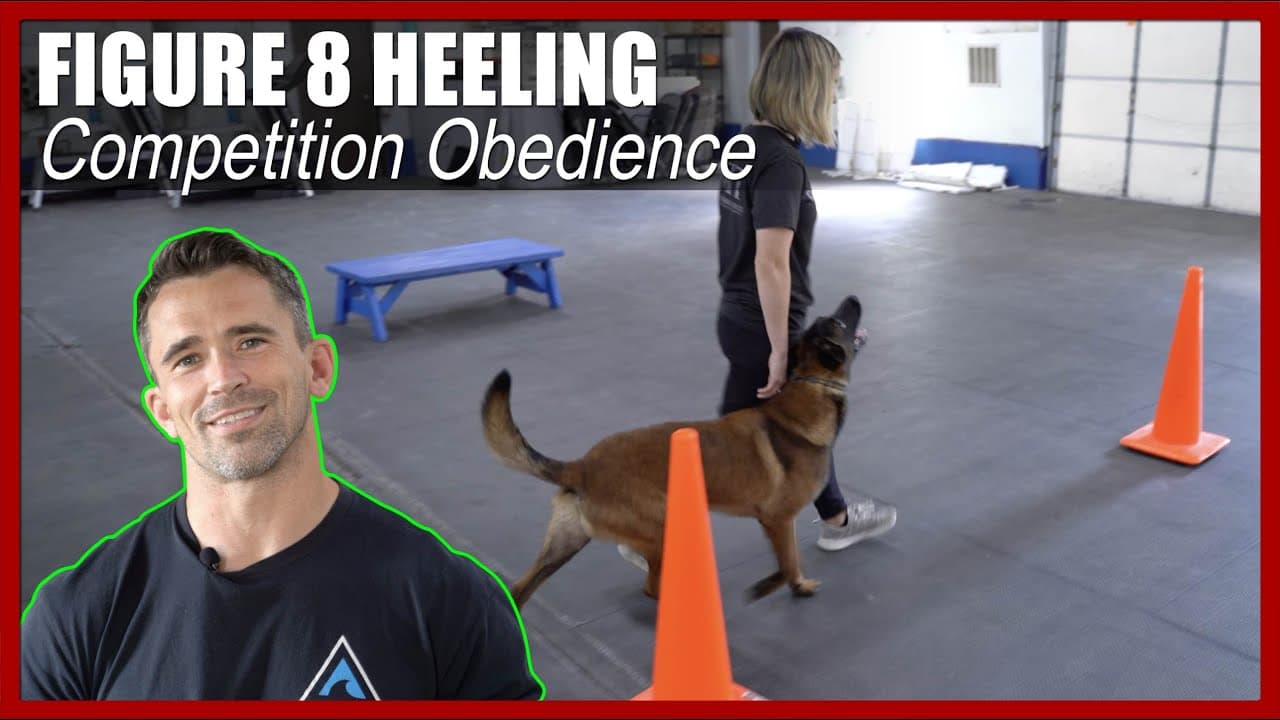
welcome back everyone to another episode today we are going to be going over the figure8 healing routine this is something you're going to see in a lot of competition obedience to include AKC as well as igp also known as shiten Tom from the tomrose school is going to be showing us the step-by-step process that he likes to take when he's teaching a ... Read More
Key Insights
- The figure 8 heeling routine is a critical component in competitive obedience, particularly in AKC and IGP events, requiring precision and teamwork between the handler and dog.
- Tom from the Tom Rose School demonstrates a step-by-step approach to teaching the figure 8, emphasizing the importance of footwork and positioning.
- Handlers should start by teaching their dogs pivoting techniques, which are essential for executing the figure 8 without losing points.
- The training involves setting up two circles on the ground and practicing pivots to help dogs understand the movement without sitting or lagging.
- Handlers are advised to use verbal cues like 'heel' to help dogs maintain focus and avoid unnecessary stops during the exercise.
- Using cones placed eight feet apart, handlers can simulate the figure 8 pattern, correcting crowding or lagging with quick pivots.
- The method demonstrated is considered effective compared to other techniques, ensuring the dog maintains the correct heel position throughout the exercise.
- The video encourages viewers to engage with the channel for more training tips and offers additional resources for dog training enthusiasts.
Install to Summarize YouTube Videos and Get Transcripts
Explore YouTube Video Summarizer or Get YouTube Transcript Extractor
Questions & Answers
Q: What is the significance of the figure 8 heeling routine in dog training?
The figure 8 heeling routine is a crucial exercise in competitive dog training, particularly in AKC and IGP events. It tests the handler's ability to maintain precise control and communication with the dog, ensuring the dog stays in the correct heel position while navigating the figure 8 pattern. This exercise is often used by judges to assess a dog's obedience and the handler's training effectiveness.
Q: How does Tom from the Tom Rose School recommend starting the figure 8 training?
Tom recommends starting the figure 8 training by teaching the dog pivoting techniques. This involves setting up two circles on the ground and practicing pivots to help the dog understand the movement required for the figure 8. The focus is on preventing the dog from sitting or lagging and ensuring smooth transitions between pivots.
Q: What role do verbal cues play in the figure 8 training process?
Verbal cues play an important role in the figure 8 training process by helping the dog maintain focus and understand the handler's intentions. Cues like 'heel' can prevent the dog from stopping unnecessarily and encourage continuous movement through the exercise. This communication helps reinforce the desired behavior and ensures the dog stays in the correct heel position.
Q: How are cones used in the figure 8 training method?
Cones are used in the figure 8 training method to simulate the pattern and provide a visual guide for both the handler and the dog. Placing cones eight feet apart helps create the figure 8 shape, and handlers can use quick pivots around the cones to correct any issues with crowding or lagging. This setup allows for consistent practice and reinforcement of the desired movements.
Q: What are some common issues handlers face during the figure 8 routine?
Common issues handlers face during the figure 8 routine include the dog sitting or lagging unexpectedly, which can disrupt the flow of the exercise. These problems often arise from a lack of clear communication or the dog's misunderstanding of the handler's movements. The training method emphasizes the use of pivots and verbal cues to address and correct these issues effectively.
Q: Why is the method demonstrated in the video considered effective?
The method demonstrated in the video is considered effective because it offers a structured approach to training the figure 8 routine, focusing on key elements like pivoting and positioning. By addressing common issues like crowding and lagging with quick pivots and verbal cues, handlers can ensure the dog maintains the correct heel position throughout the exercise, leading to better performance in competitive settings.
Q: What additional resources does the video offer for dog training enthusiasts?
The video offers additional resources for dog training enthusiasts, including links to courses, training manuals, and community groups. Viewers are encouraged to engage with the channel for more tips and support, with options for in-person and Zoom training sessions. The channel also provides information on pet insurance and recommended products to support dog training efforts.
Q: How does the video encourage viewer engagement and support?
The video encourages viewer engagement and support by inviting viewers to like, subscribe, and hit the notification bell for updates on new content. It also offers membership options with benefits like priority responses and access to exclusive Q&As. These efforts aim to build a supportive community of dog training enthusiasts and provide ongoing value to subscribers.
Summary & Key Takeaways
-
The video provides a detailed demonstration of the figure 8 heeling routine, an essential exercise in competitive dog training. Tom from the Tom Rose School guides viewers through a methodical approach to mastering this routine, highlighting the importance of footwork and dog positioning.
-
Handlers are taught to start with pivot exercises to ensure dogs understand the movement required for the figure 8. The use of verbal cues and strategic positioning helps prevent common issues like sitting or lagging during the routine.
-
The training method involves setting up cones and practicing quick pivots to correct any crowding or lagging. The approach is praised for its effectiveness in maintaining the dog's correct heel position, offering a reliable technique for competitive obedience training.
Read in Other Languages (beta)
Share This Summary 📚
Summarize YouTube Videos and Get Video Transcripts with 1-Click
Try YouTube Summary with ChatGPT & Claude or YouTube Transcript Generator
Explore More Summaries from Nate Schoemer 📚

Summarize YouTube Videos and Get Video Transcripts with 1-Click
Try YouTube Summary with ChatGPT & Claude or YouTube Transcript Generator