How to Build Self-Respect and Protect Who You Are
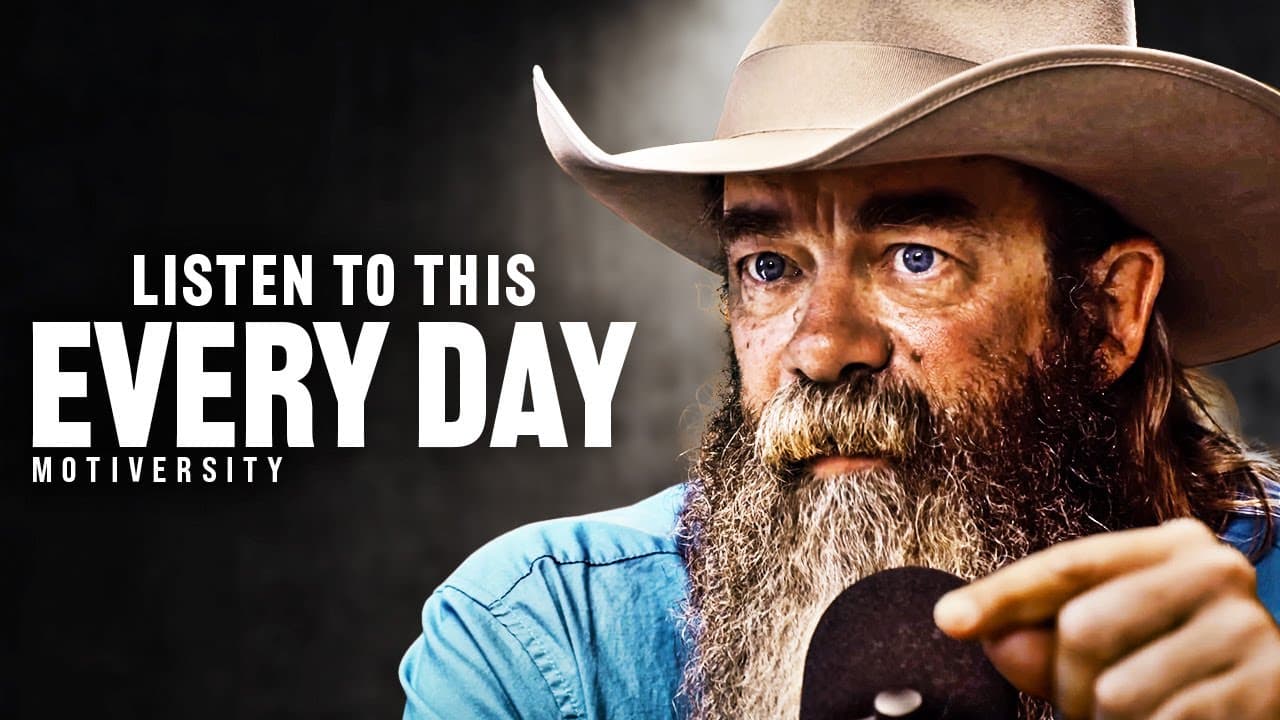
TL;DR
Protect your self-respect by judging opportunities according to who they will make you become, not merely what they offer. Become someone you genuinely like by adopting qualities you admire, keeping small promises to yourself, removing sources of destructive anger, and extending yourself the same grace you would give a friend. Lasting influence also comes from earning willing cooperation instead of forcing outward compliance.
Transcript
If you turn around and look back with open eyes at your life, you see all the scars. The only way you cannot be humble in old age is when you refuse to look at the reality of your life up to today. I you know that's the only way because nobody's skated through it perfectly. But this is what drives this is what drives my to it sounds ludicrous in my... Read More
Key Insights
- Character is more valuable than an opportunity that could compromise it. Before accepting a business or monetary endeavor, ask who it will make you become and whether its rewards justify even a gradual loss of the person you worked hard to build.
- Self-respect is compatible with an honest awareness of personal flaws. Liking yourself does not require denying failures, weaknesses, scars, or mistakes. It means weighing the whole person realistically and offering yourself the grace you would extend to a valued friend.
- Arrogance is described as pride mixed with ignorance, while healthy self-regard rests on reality. A person can recognize what they have wrecked, built, failed at, and succeeded at, then conclude that sincere effort and decent character still deserve compassion.
- Self-liking can be developed by studying people you genuinely admire. Identify qualities such as understanding, gentleness, diligence, and honesty, then deliberately incorporate those qualities into your own conduct until you become someone whose character earns your approval.
- Self-trust is constructed through tiny decisions made every day. Repeatedly ignoring alarms, diets, exercise plans, or other commitments teaches you that your own promises are unreliable, much like a habitually late friend eventually loses invitations and trust.
- Anger is unprofitable when it consumes emotional energy, distorts perspective, and contributes to foolish decisions without repairing the underlying problem. Change begins by identifying what repeatedly produces that state and gradually removing or addressing it.
- Mental security can interrupt an anxious reaction more effectively than brute force. The nervous horse learned a light, familiar cue while calm, then returned to that secure response on the trail whenever anxiety raised her head and triggered an impulse to run.
- Willing cooperation is more durable than forced compliance. Physically controlling a horse's body without gaining its mind produces only temporary obedience, while communication that helps it decide a requested action serves its interests can guide both its thinking and behavior.
Install to Summarize YouTube Videos and Get Transcripts
Explore YouTube Video Summarizer or Get YouTube Transcript Extractor
Questions & Answers
Q: How can you protect your identity while pursuing success?
Evaluate each opportunity by asking who it will make you become, not only how much money, recognition, or progress it might produce. The speaker rejects endeavors that could cost him the self he built through years of grief, pain, and work. At the same time, he seeks a balance that protects his character without letting fear prevent him from attempting something worthwhile.
Q: How can you learn to genuinely like yourself?
Choose someone you genuinely like and identify the precise qualities that create that response, such as honesty, gentleness, understanding, or hard work. Then incorporate those qualities into your own behavior. Liking yourself does not depend on pretending your weaknesses are absent. It comes from becoming a person whose overall character you respect despite visible flaws, failures, scars, and limitations.
Q: What is the difference between self-respect and arrogance?
Self-respect is grounded in an honest assessment of both strengths and weaknesses, while arrogance is defined in the speech as pride mixed with ignorance. A self-respecting person can admit what they failed at, damaged, built, and accomplished without claiming perfection. They can still recognize sincere effort, decide that they are broadly decent, and extend themselves reasonable grace.
Q: Why does keeping small promises build self-trust?
Small promises provide daily evidence about whether your own word is dependable. When you repeatedly hit the snooze button, depart from your diet, skip the gym, or negotiate away a commitment, you begin to distrust yourself. The speech compares this pattern to a friend who continually arrives late or fails to appear, eventually causing you to stop relying on or inviting that person.
Q: How should you respond when another person dislikes you?
Build enough grounded self-respect that another person's disapproval does not determine your worth. The speaker says he can recognize when someone dislikes him and remain unconcerned because his own approval is enough. That confidence should come from honest self-knowledge and chosen character, not ignorance of faults. Become someone you respect, acknowledge your shortcomings, and avoid making universal approval a requirement.
Q: Why is self-care necessary before serving other people?
The discussion argues that people sometimes care more reliably for others, including a pet, than for themselves. Yet neglecting yourself eventually threatens your ability to continue caring for anyone else. Service should therefore come from personal resources that are sufficiently maintained. Giving yourself care, attention, love, and grace is not presented as selfishness, but as a foundation for dependable support of others.
Q: How can anger be reduced when it is harming your life?
Begin by recognizing that anger is not repairing the situation and may instead consume you internally, narrow your perspective, and produce foolish decisions. The speaker reached a point where he decided he could not continue living in an angry, constantly tense state. He then examined what was making him that way and slowly removed or addressed those influences until he regained perspective.
Q: What can horse training teach about leadership and influence?
Horse training illustrates that controlling a body is less durable than gaining willing mental cooperation. A horse forced to move may return to its preferred behavior as soon as the pressure disappears. Better influence uses clear communication and conditions that help the horse decide the requested action is in its interest. The same idea applies to people, since browbeating and nagging do not reliably create commitment.
Summary & Key Takeaways
-
A worthwhile opportunity should be evaluated by its effect on your character. Money, recognition, and success are poor trades if pursuing them causes you to lose a version of yourself that took years of grief, pain, and effort to build. The challenge is protecting your identity without becoming too afraid to try.
-
Self-respect grows when you acknowledge weaknesses, scars, failures, and successes without slipping into arrogance or self-contempt. Identify the traits you genuinely appreciate in other people, incorporate those traits into your conduct, and give yourself appropriate grace. Eventually, your own approval can become sufficient when another person dislikes you.
-
Trust in yourself is built through small daily decisions and promises, including getting up when intended, following a diet, exercising, and completing planned tasks. The horse-training stories reinforce the same principle in leadership: gaining willing mental commitment creates more durable change than attempting to control behavior through physical force, pressure, or nagging.
Read in Other Languages (beta)
Share This Summary 📚
Summarize YouTube Videos and Get Video Transcripts with 1-Click
Try YouTube Summary with ChatGPT & Claude or YouTube Transcript Generator
Explore More Summaries from Motiversity 📚




Summarize YouTube Videos and Get Video Transcripts with 1-Click
Try YouTube Summary with ChatGPT & Claude or YouTube Transcript Generator