The Language of Political Influence
TL;DR
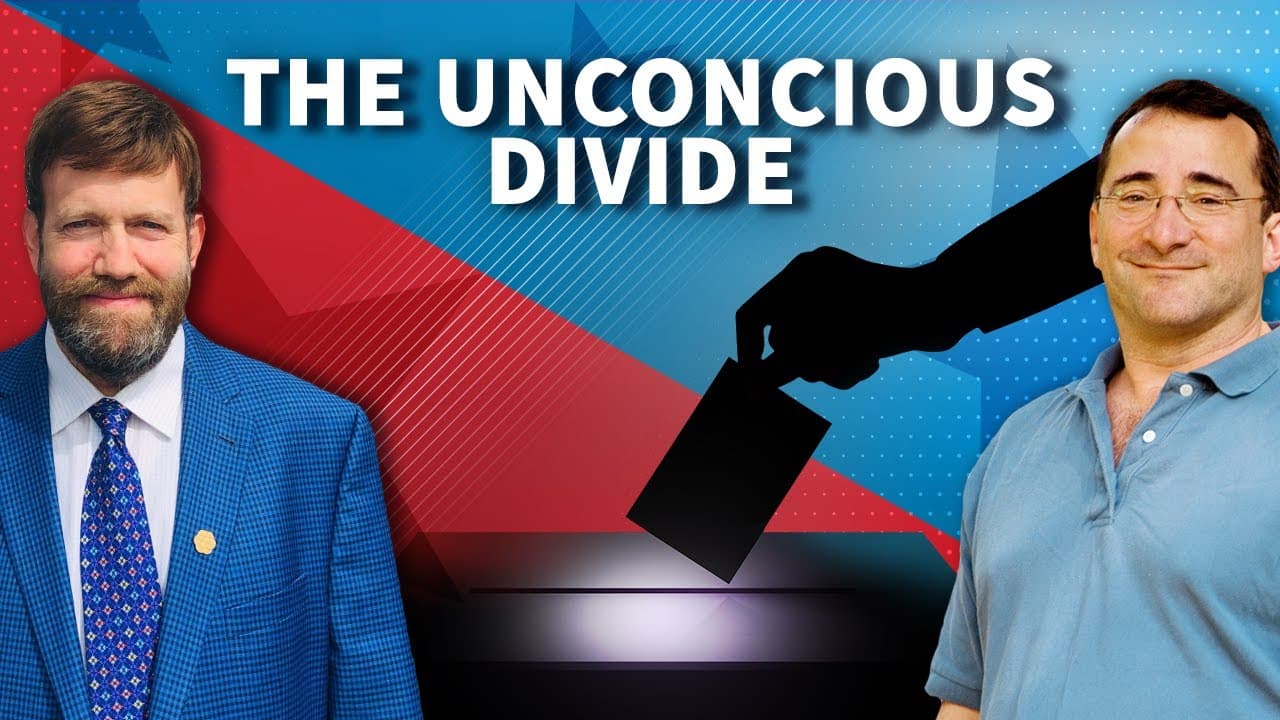
Political language can shape which policies people support by triggering different emotional associations, with engineered wording producing as much as a 15-point difference in opinion. Drew Westen illustrates this through Michael Dukakis’s emotionally flat 1988 debate response, while Frank Luntz explains how one focus-group participant’s phrase, “government takeover,” transformed opposition to Obamacare. Read on to see how specific words can divide voters or make political arguments resonate.
Transcript
democracy depends on us choosing our views on political issues but when the language used to describe those political issues is engineered in a laboratory to be divisive and can produce a 15-point difference in what we think about the political issues are we choosing our views or is the language choosing our views for us i'm tristan harris and this... Read More
Key Insights
- 🤩 Political language can intentionally or inadvertently create divisions among the electorate, influencing beliefs and sentiments regarding key issues.
- 🏋️ Debates and discussions often hinge on the emotional weight of responses, demonstrating the need for politicians to communicate with empathy.
- 🍉 Specific phrases and terms can shift public reaction significantly, highlighting the importance of strategic language choice in political campaigns.
- 🇨🇫 The framing of policies through well-known programs can leverage familiarity and trust, enhancing public acceptance and approval.
- ❎ Politicians risk amplifying opposition when they unconsciously adopt negative language or metaphors already established by their adversaries.
- 👻 The effectiveness of language testing tools allows political communicators to gauge real-time audience reactions, refining messaging strategies.
- ❓ Successful political messaging demands a nuanced understanding of both emotional and rational appeals, ensuring comprehensive engagement with diverse audiences.
Install to Summarize YouTube Videos and Get Transcripts
Explore YouTube Video Summarizer or Get YouTube Transcript Extractor
Questions & Answers
Q: How does language influence people’s views on political issues?
Different descriptions of the same political issue can produce sharply different reactions; the discussion says engineered language can create a 15-point difference in opinion. Words work by resonating with voters’ existing concerns and emotional associations.
Q: What did Drew Westen learn from Michael Dukakis’s 1988 debate response?
When Bernard Shaw asked how Dukakis would respond if Kitty Dukakis were raped and murdered, Dukakis immediately reiterated his opposition to the death penalty and said he saw no evidence that it deterred crime. Westen believed the answer failed because it did not first acknowledge the powerful emotion raised by the question.
Q: Why was “government takeover” more powerful than “government control”?
A focus-group participant said government control implied that the government had influence, while government takeover meant she would have no influence at all. Luntz described the change from “control” to “takeover” as mind-blowing because the latter wording prompted a much stronger reaction.
Q: Where did Frank Luntz get the phrase “government takeover of healthcare”?
The phrase came from a woman in a St. Louis focus group about Obamacare, not from language invented by Luntz in a laboratory. He said his role was to recognize impactful language when he heard it from voters.
Q: How did the focus group react to the phrase “government takeover”?
After the participant explained the phrase, people around the room nodded and another person agreed that the healthcare proposal was a takeover. Luntz then heard agreement spread among the group of 30 people, with 29 other participants present.
Q: What audience signals does Frank Luntz watch during focus groups?
Luntz watches physical reactions as well as spoken responses. He looks for whether participants lean forward or backward, fold their arms, appear welcoming, or nod their heads.
Q: How can politicians reinforce an opponent’s message unintentionally?
Westen says Democrats sometimes repeat language, metaphors, or images created by the other side and thereby step into the framing being used against them. He gives “government takeover” and the long-used phrase “big government” as examples of hostile frames they risk reinforcing.
Q: Why does Drew Westen criticize the phrase “Medicaid expansion”?
Westen argues that “expansion” evokes the established image of government growing and taking over people’s lives. He recommends describing the policy as extending Medicaid to people who work three jobs and still cannot afford healthcare.
Summary & Key Takeaways
-
Language plays a pivotal role in politics, influencing public opinion and perceptions of key issues, sometimes detrimentally. The discussion highlights how specific phrases can either unite or deeply divide sentiments among voters.
-
Drew Weston and Frank Luntz share personal insights into their experiences that illustrate the critical impact language has in shaping political narratives, especially how certain phrases resonate differently with audiences.
-
The conversation underscores the importance of selecting language strategically to convey political messages effectively, suggesting that understanding audience responses is vital for successful communication and persuasion.
Read in Other Languages (beta)
Share This Summary 📚
Summarize YouTube Videos and Get Video Transcripts with 1-Click
Try YouTube Summary with ChatGPT & Claude or YouTube Transcript Generator
Explore More Summaries from Center for Humane Technology 📚
Summarize YouTube Videos and Get Video Transcripts with 1-Click
Try YouTube Summary with ChatGPT & Claude or YouTube Transcript Generator