How to Talk to the Camera with Confidence
TL;DR
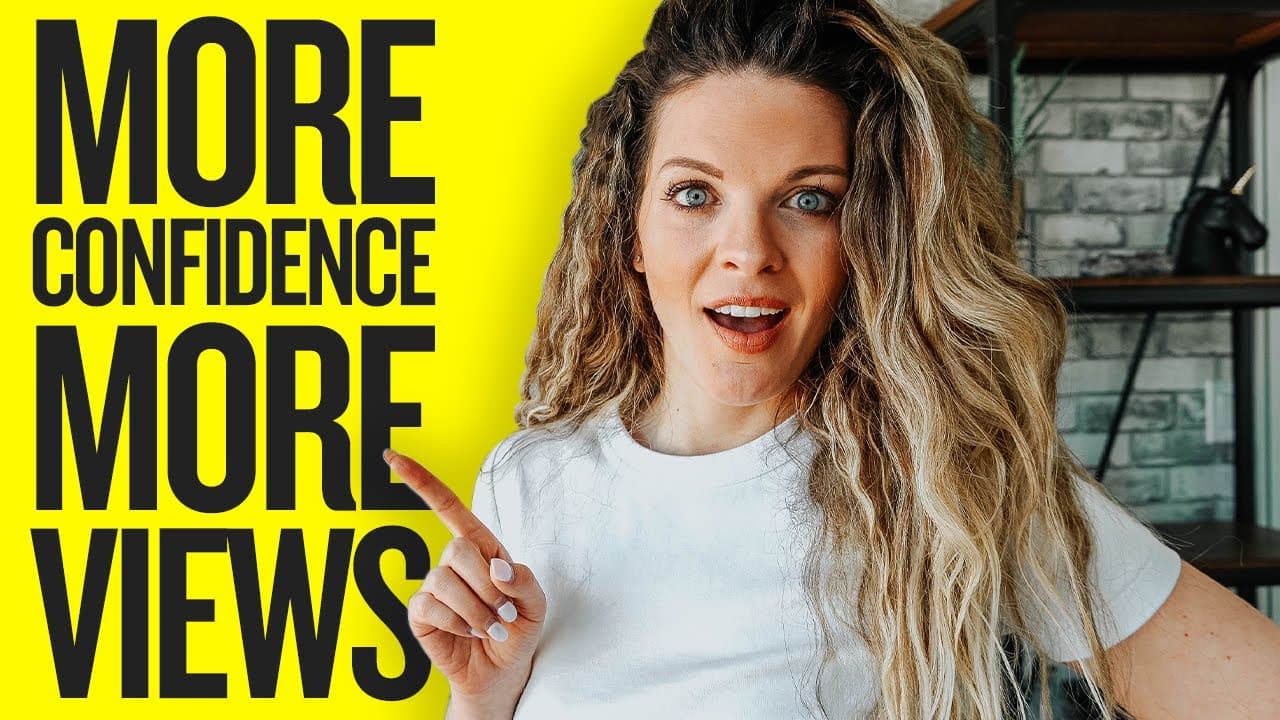
To talk to the camera confidently, practice regularly and employ techniques such as maintaining eye contact and using hand gestures for emphasis. Wear comfortable clothing that reflects your personality, review your footage for authenticity, and remember to speak to one person to clarify your message. Filming in small segments can also reduce pressure and enhance your video quality.
Transcript
Talking to camera is weird. Even for me, I have a background in TV, but when I started on YouTube, I had never felt more insecure or more vulnerable. And it often led to just cringe worthy on camera performances. So I started to vlog, vlog, help me. I really don't know what a vlog is. I'm trying to figure out how to say this without it sounding wei... Read More
Key Insights
- Talking to a camera can feel unnatural, but practice and confidence-building techniques can make it feel more comfortable.
- Using your hands effectively can help emphasize points and guide the viewer's attention, enhancing communication.
- Maintaining direct eye contact with the camera lens builds trust and rapport with the audience.
- Wearing comfortable clothing that reflects your personality helps you feel more at ease and authentic on camera.
- Watching and reviewing your own footage can help identify areas for improvement and ensure authenticity.
- Cadence and inflection in your speech impact how confident you appear; practice helps in achieving a natural flow.
- Filming in small segments and taking breaks can reduce pressure and improve the quality of the final video.
- Focusing on speaking to one person rather than a broad audience can make your message more clear and impactful.
Install to Summarize YouTube Videos and Get Transcripts
Explore YouTube Video Summarizer or Get YouTube Transcript Extractor
Questions & Answers
Q: Why is talking to a camera often uncomfortable?
Talking to a camera can feel unnatural because it lacks the immediate feedback and interaction of a live audience. This can lead to feelings of insecurity and vulnerability. However, with practice and by employing confidence-building techniques, such as using hand gestures and maintaining eye contact, this discomfort can be reduced.
Q: How can hand gestures improve camera communication?
Hand gestures can be used to emphasize points and guide the viewer's attention, making communication more dynamic and engaging. They help to visually illustrate differences or comparisons and can make the speaker appear more confident and authoritative. Holding hands in a comfortable position also helps in grounding and stabilizing the speaker.
Q: What is the importance of eye contact in video communication?
Maintaining direct eye contact with the camera lens is crucial as it builds a connection with the audience, fostering trust and rapport. It mimics the experience of face-to-face interaction, making the viewer feel more engaged and valued. Avoiding eye contact can lead to a perception of dishonesty or lack of confidence.
Q: Why is wearing comfortable clothing important for filming?
Wearing clothing that you feel comfortable in helps you feel more at ease and authentic on camera. It allows you to focus on your message without being distracted by discomfort or self-consciousness. Comfortable attire that reflects your personality can also enhance your confidence and make you more relatable to the audience.
Q: How does reviewing your own footage help in improving camera presence?
Reviewing your footage allows you to assess whether you are projecting authenticity and confidence. It helps identify areas for improvement, such as speech patterns, body language, and overall delivery. Constructive feedback from trusted sources can provide additional insights to refine your on-camera presence.
Q: What role does cadence play in effective video communication?
Cadence, or the rhythm of your speech, affects how your message is perceived. A well-paced delivery with appropriate pauses ensures clarity and allows the audience to absorb information. It also reflects confidence. Practicing your cadence helps in developing a natural and engaging speaking style.
Q: Why is it beneficial to film in small segments?
Filming in small segments reduces pressure and allows for more control over the content. It minimizes errors and makes editing easier, resulting in a more polished final product. Taking breaks between segments can help you maintain energy and focus, ultimately improving the quality of your video.
Q: How does focusing on one person improve video messaging?
Focusing on speaking to one person helps in crafting a clear and direct message. It reduces the pressure of trying to appeal to a broad audience, which can dilute the message. By visualizing a specific person, you can tailor your communication style to be more personal and impactful, enhancing viewer engagement.
Summary & Key Takeaways
-
Talking to the camera can feel awkward, but by practicing regularly and employing specific techniques, you can improve your comfort and confidence on camera. Key tips include using your hands for emphasis, maintaining eye contact, and wearing comfortable clothing.
-
Reviewing your footage helps ensure authenticity and identify areas for improvement. Pay attention to your speech cadence and inflection to appear more confident. Filming in small segments and taking breaks can enhance the quality of your video.
-
Focus on speaking to one person to make your message more clear and impactful. Use notes as a security blanket and remember to keep a sense of humor, as this is not brain surgery. Your value lies in your message, not production quality.
Read in Other Languages (beta)
Share This Summary 📚
Summarize YouTube Videos and Get Video Transcripts with 1-Click
Try YouTube Summary with ChatGPT & Claude or YouTube Transcript Generator
Explore More Summaries from Sunny Lenarduzzi 📚
Summarize YouTube Videos and Get Video Transcripts with 1-Click
Try YouTube Summary with ChatGPT & Claude or YouTube Transcript Generator