What Are the Dynamics of Intimate Partner Violence?
TL;DR
Intimate partner violence is characterized by a pattern of manipulation, fear, and coercive control within relationships. Victims may remain due to emotional attachment, hope for change, and fear of retaliation, often compounding their trauma. Understanding this complex dynamic is crucial for effective support and intervention.
Transcript
all right thank you yes oh you have another oh perfect thank you all right that's 1804 all right thank you and you want to approach on the other issue yes all right ready for the jury okay all right thank you ladies and gentlemen all right be seated all right the plaintiff has rested in the defense case you're your witness your honor i'd like to ca... Read More
Key Insights
- 😨 Victims of intimate partner violence may stay in abusive relationships due to emotional attachment, hope for change, and fear of retaliation.
- 👔 Coping strategies for trauma survivors include seeking formal support, informal communication, and personal attempts to solve relationship problems.
- 🧑🏭 Lethality risks in domestic violence cases are influenced by various factors like substance abuse, control behaviors, and property destruction.
- ⚧️ Myths surrounding intimate partner violence, trauma survivors, and gender roles perpetuate harmful stereotypes and misconceptions.
- 🎙️ More videos with Amber Heard / Johnny Depp:
Install to Summarize YouTube Videos and Get Transcripts
Explore YouTube Video Summarizer or Get YouTube Transcript Extractor
Questions & Answers
Q: What is the role of a forensic psychologist in legal cases involving trauma survivors?
A forensic psychologist applies clinical psychology principles to legal contexts, assisting in legal matters related to trauma, assessments, and expert testimonies.
Q: How do trauma survivors cope with the effects of abuse in interpersonal violence relationships?
Trauma survivors often use formal, informal, and personal coping strategies, seeking safety, support, and attempting to fix the relationship from within.
Q: Are men also victims of intimate partner violence, and if so, how do gender stereotypes impact their experiences?
Yes, men can be victims of intimate partner violence, and gender stereotypes can affect their willingness to report abuse and seek help due to societal expectations and biases.
Q: What factors contribute to lethality risk in domestic violence cases, and how can they be identified?
Factors like increased violence severity, substance abuse, threatening behavior, and property destruction indicate high lethality risk, with validated instruments used to assess danger levels.
Summary & Key Takeaways
-
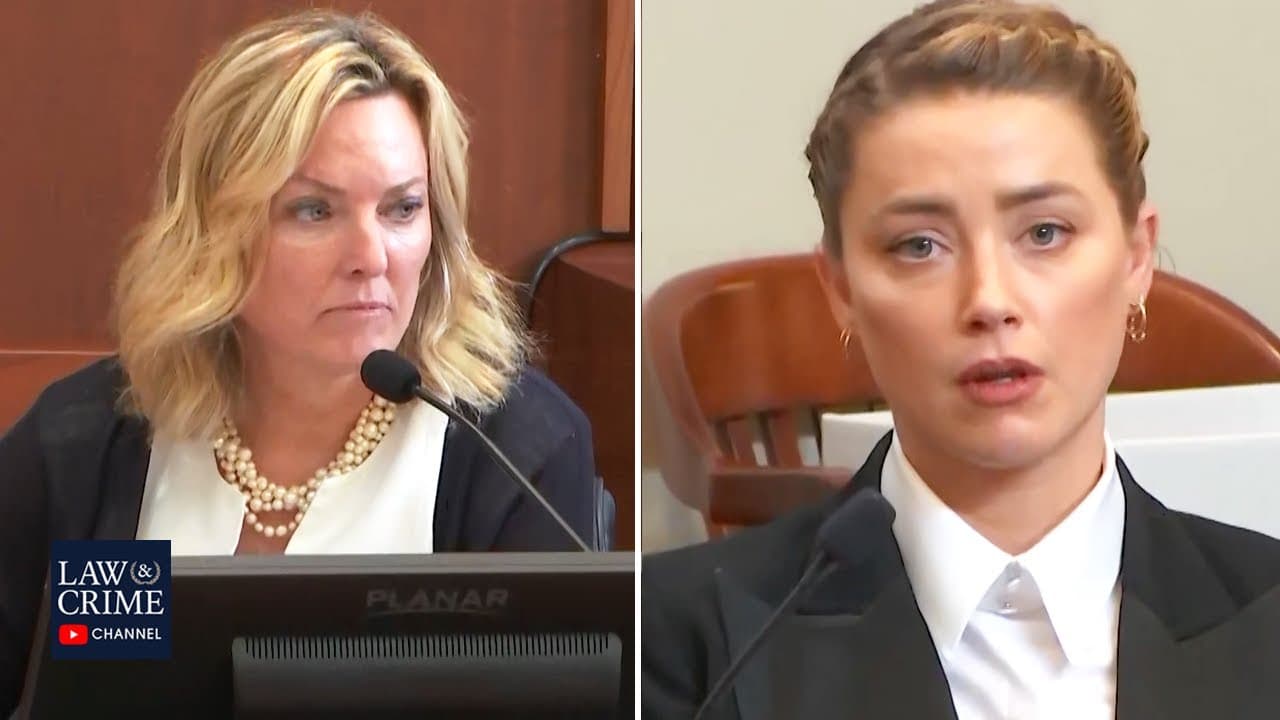
Dr. Dawn Hughes, a clinical and forensic psychologist, explains the roles of clinical and forensic psychologists and shares her background in trauma-related cases.
-
She discusses how trauma can affect individuals and outlines her experience in working with trauma survivors.
-
Dr. Hughes sheds light on the dynamics of intimate partner violence, the cycle of violence, and factors contributing to victim coping mechanisms.
Read in Other Languages (beta)
Share This Summary 📚
Summarize YouTube Videos and Get Video Transcripts with 1-Click
Try YouTube Summary with ChatGPT & Claude or YouTube Transcript Generator
Explore More Summaries from Law&Crime Network 📚






Summarize YouTube Videos and Get Video Transcripts with 1-Click
Try YouTube Summary with ChatGPT & Claude or YouTube Transcript Generator