What Happened to the Witmore Family in 1848?
TL;DR
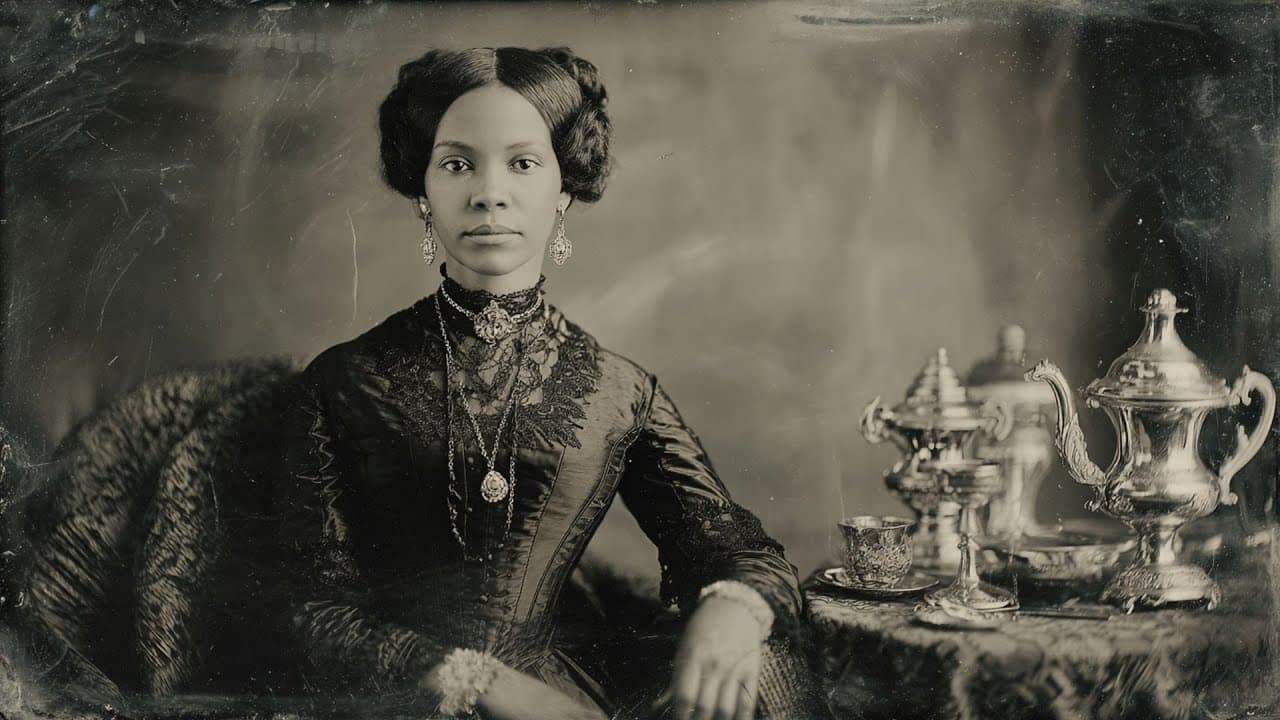
In 1848, the Witmore family mysteriously disappeared from their Baton Rouge plantation, leading to a chilling case of assumed identity and societal denial. Adeline Brousard, a house slave, allegedly poisoned the family and assumed the role of the plantation mistress. The community, despite knowing the truth, chose to accept this fiction, revealing a collective delusion to avoid confronting uncomfortable truths about race and power.
Transcript
Welcome to one of the most disturbing cases recorded in the history of Baton Rouge. Before we begin, I invite you to leave in the comments where you're watching from and the exact time you're listening to this narration. We're interested in knowing to which places and at what times of day or night these documented accounts reach. On the morning of ... Read More
Key Insights
- In 1848, the Witmore family vanished, leaving their plantation mysteriously operational under the management of Adeline Brousard, a house slave.
- Adeline Brousard allegedly poisoned the Witmore family, assuming the identity of the plantation mistress in their absence.
- The local community, aware of the truth, chose to accept Adeline as Mrs. Witmore, reflecting a collective denial of the unsettling reality.
- The case reveals the capacity for societal self-deception, where maintaining social order took precedence over acknowledging harsh truths.
- Financial records showed a shift in the plantation's management, with Adeline using profits to establish a new identity and free other slaves.
- The historical record of the case was deliberately obscured, with efforts to erase its memory from official histories and public consciousness.
- The story of Adeline Brousard highlights the fragility of social constructs and the lengths to which society will go to preserve them.
- The Witmore case serves as a mirror to our own capacity for self-deception, prompting reflection on the fictions we maintain in modern society.
Install to Summarize YouTube Videos and Get Transcripts
Explore YouTube Video Summarizer or Get YouTube Transcript Extractor
Questions & Answers
Q: What happened to the Witmore family in 1848?
In 1848, the Witmore family mysteriously disappeared from their plantation near Baton Rouge. It is alleged that Adeline Brousard, a house slave, poisoned the family and subsequently assumed the role of the plantation mistress. Despite the disappearance, the plantation continued to operate, and the local community chose to accept Adeline's new identity, reflecting a collective denial of the unsettling truth.
Q: How did Adeline Brousard assume the identity of Mrs. Witmore?
Adeline Brousard allegedly poisoned the Witmore family and began presenting herself as Mrs. Witmore. She wore Elizabeth Witmore's clothes, managed the plantation, and interacted with visitors as the lady of the house. The community, aware of the truth, chose to accept this fiction, participating in a collective delusion to avoid confronting the disturbing reality of an enslaved woman assuming such a role.
Q: Why did the community accept Adeline Brousard as Mrs. Witmore?
The community accepted Adeline Brousard as Mrs. Witmore due to a collective denial and self-deception. Acknowledging the truth threatened the social order and racial hierarchies of the time. By participating in this fiction, the community avoided confronting the unsettling reality of an enslaved woman assuming the identity and role of a plantation mistress, revealing a preference for maintaining social constructs over facing uncomfortable truths.
Q: What does the Witmore case reveal about societal self-deception?
The Witmore case reveals a profound capacity for societal self-deception, where maintaining social order and racial hierarchies took precedence over acknowledging harsh truths. The community's acceptance of Adeline Brousard as Mrs. Witmore, despite knowing the truth, highlights how societies construct elaborate fictions to avoid confronting realities that threaten their understanding of the world, demonstrating the fragility of social constructs.
Q: How did financial records contribute to understanding the Witmore case?
Financial records from the period show a shift in the management of the Witmore plantation after the family's disappearance. These records reveal that Adeline Brousard used plantation profits to establish a new identity, purchase freedom papers for other slaves, and conduct business as Mrs. Witmore. This financial evidence supports the narrative of Adeline's assumed identity and the community's complicity in maintaining the fiction of her role as the plantation mistress.
Q: Why was the historical record of the Witmore case obscured?
The historical record of the Witmore case was deliberately obscured due to the uncomfortable truths it revealed about power, race, and societal denial. Efforts were made to erase its memory from official histories and public consciousness because it challenged the established social order and highlighted a collective delusion. The case's erasure reflects a broader tendency to suppress narratives that disrupt comfortable historical narratives.
Q: What does the story of Adeline Brousard highlight about social constructs?
The story of Adeline Brousard highlights the fragility of social constructs and the lengths to which society will go to preserve them. Her transition from enslaved woman to plantation mistress, with the community's complicity, underscores how social hierarchies can be subverted yet maintained through collective denial. It serves as a reminder of the human capacity to construct and maintain fictions that uphold societal norms, even when faced with overwhelming evidence to the contrary.
Q: How does the Witmore case relate to modern self-deception?
The Witmore case serves as a mirror to our own capacity for self-deception, prompting reflection on the fictions we maintain in modern society. Just as the community in 1848 chose to accept a fiction to preserve social order, we too participate in narratives that allow us to maintain our understanding of the world. The case reminds us that reality is not just what exists, but what we are willing to acknowledge, highlighting the ongoing relevance of collective self-deception.
Summary & Key Takeaways
-
In 1848, the Witmore family disappeared from their Baton Rouge plantation, leading to a chilling mystery. Adeline Brousard, a house slave, allegedly poisoned the family and assumed the role of the plantation mistress. Despite knowing the truth, the community accepted this fiction, revealing a collective denial to avoid confronting uncomfortable truths about race and power.
-
The case of the Witmore family disappearance highlights the capacity for societal self-deception. Adeline Brousard, after allegedly poisoning the family, maintained the plantation's operations and assumed the identity of Mrs. Witmore. The local community, aware of the truth, chose to accept this narrative, reflecting a collective refusal to confront disturbing realities.
-
Financial records and historical accounts suggest a deliberate effort to erase the Witmore case from official histories. The story of Adeline Brousard, who transitioned from slave to plantation mistress, underscores the fragility of social constructs and the lengths society will go to preserve them. It serves as a reminder of our own capacity for self-deception in modern times.
Read in Other Languages (beta)
Share This Summary 📚
Summarize YouTube Videos and Get Video Transcripts with 1-Click
Try YouTube Summary with ChatGPT & Claude or YouTube Transcript Generator