How is Ukraine pulling off a move to retake Crimea
TL;DR
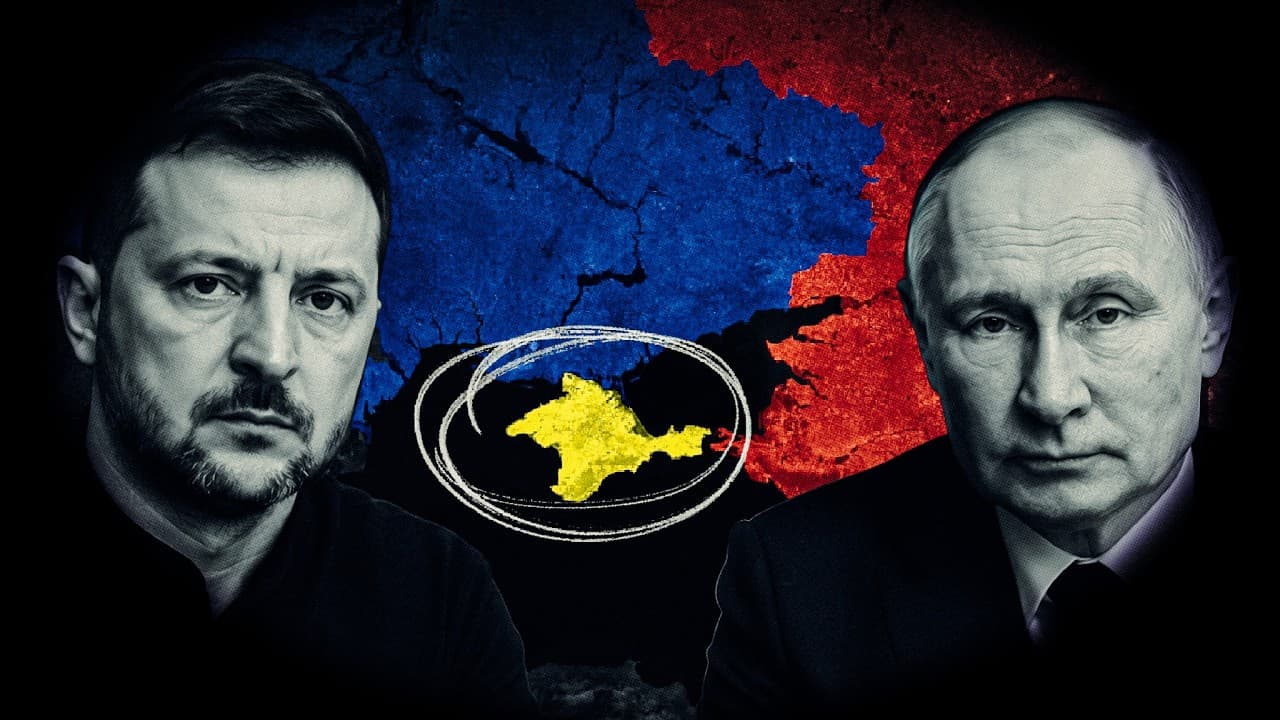
Ukraine is executing a multi-pronged approach to reclaim Crimea, using targeted disruption of Russian air defense and radar networks to create temporary windows for drone and ground activity. The strategy prioritizes opening quick, short-term avenues through contested airspace while exploiting vulnerabilities in Russian logistics and command and control.
Transcript
I want to take you back to one of the most shocking world-changing events that has happened in my lifetime. 2014 revolution in Ukraine. And in the middle of all that turmoil and unrest, these guys in unmarked camo show up out of nowhere in Crimea. Crimea, remember, is this big peninsula in the southern end of Ukraine in the Black Sea. Empires have ... Read More
Key Insights
- Crimea has been under Russian control for 12 years, but Ukraine is attempting a realignment of the strategic situation.
- Ukraine focuses on destroying radar nets and air defense elements to create short-term windows for maneuver, rather than trying to defeat entire air defenses at once.
- Drones are used to saturate areas and blind defenses, allowing Ukrainian forces to push through limited corridors.
- Russia relies on a layered defense including Pantsir systems and hidden radars that track drones and jam signals.
- Ukraine accepts that total air superiority may be unattainable and instead exploits localized vulnerabilities.
- The operation considers multiple endgame options beyond just a successful retake or a failure by Russia.
- Supply routes to Crimea include sea and highway corridors that remain critical to control, influencing the pace of operations.
- Public messaging frames the effort as a long-term campaign rather than a single battle, reflecting complexity of modern hybrid warfare.
Install to Summarize YouTube Videos and Get Transcripts
Explore YouTube Video Summarizer or Get YouTube Transcript Extractor
Questions & Answers
Q: What is the basic goal behind Ukraine's Crimea operation?
The basic goal is to retake Crimea by weakening Russian control through a combination of drone-enabled pressure and targeted strikes on radar and air defense infrastructure, creating temporary windows for movement and decision making. This approach prioritizes opening routes and reducing the effectiveness of Russian layers of defense, rather than attempting a single decisive strike.
Q: How does Ukraine use drones to penetrate Russian air defense in Crimea?
Ukraine uses drones to saturate specific areas, exploiting the fact that Russia cannot permanently replace every piece of air defense immediately. By focusing on short-term windows and repeatedly targeting dependent radar panels, Ukraine blurs the air picture long enough for other forces or operations to slip through, while Russia attempts to reconstitute defenses.
Q: What role does the Crimea Bridge play in the conflict?
The Crimea Bridge was an important supply lifeline for Russia, connecting Crimea to mainland Russia. When damaged, it forced Russia to reroute supplies via sea and a longer highway corridor, altering logistics and potentially reducing the speed and reliability of Russian reinforcement into Crimea, which Ukraine can exploit in its campaign.
Q: What are the new routes Russia uses to reach Crimea after the bridge damage?
Russia shifted to two main routes: sea transports crossing the Kerch Strait and a land highway known as the Novorossiya Highway from Rostov-on-Don down to Crimea. These routes are designed to maintain supply lines while naval and air defenses try to protect them, but they face new vulnerabilities that Ukraine can target.
Q: Why are hidden radars and mobile air defenses a challenge in Crimea?
Hidden radars and mobile air defenses complicate any assault because they can be moved or camouflaged, making it difficult to predict their locations or render them permanently inoperable. Ukraine’s strategy of targeting localized radar clusters over time helps neutralize these systems incrementally and creates gaps for maneuver.
Q: What does the video suggest about endgame options beyond retaking Crimea?
The video implies multiple endgame scenarios besides a full retake or permanent Russian hold. These include stalemates, negotiated settlements, or partial gains with varying degrees of autonomy or influence. The analysis emphasizes that modern warfare can produce a spectrum of outcomes rather than a single binary result.
Q: How does the audience learn about the operation’s progress and plausibility?
Progress is presented through a combination of map visuals, satellite-style data interpretations, and drone footage from Ukrainian sources. The narration frames the operation as evolving with new tactics and feeds into broader questions about strategic consequences for the wider war, making the case for ongoing assessment.
Q: What are the key logistical considerations shaping the Crimea campaign?
Key logistical considerations include maintaining supply lines to Crimea via sea and land routes, ensuring redundancy if one route is disrupted, and balancing the tempo of operations with the risk of escalation. Control of air and sea corridors directly impacts the feasibility and speed of attempts to retake Crimea.
Summary & Key Takeaways
-
Ukraine has shifted from a defensive posture to a proactive operation aimed at Crimea, leveraging drones and targeted strikes to weaken Russian defenses.
-
The plan includes flooding specific areas with drones to overwhelm air defenses and open corridors for further actions, rather than attempting a single knockout blow.
-
Historical and logistical factors, such as the Crimea Bridge disruption and new supply routes, shape the timetable and possible endgames of the operation.
Read in Other Languages (beta)
Share This Summary 📚
Summarize YouTube Videos and Get Video Transcripts with 1-Click
Try YouTube Summary with ChatGPT & Claude or YouTube Transcript Generator
Explore More Summaries from Max Fisher 📚

Summarize YouTube Videos and Get Video Transcripts with 1-Click
Try YouTube Summary with ChatGPT & Claude or YouTube Transcript Generator