How Does Happiness Improve Health and Habits?
TL;DR
Happiness can support better health by shaping everyday choices around food, sleep, movement, stress, and relationships. Chasing conventional success while neglecting contentment may contribute to exhaustion and unhealthy routines, while addressing an unmet emotional need, such as meaningful friendship, can create positive changes across several areas of life.
Transcript
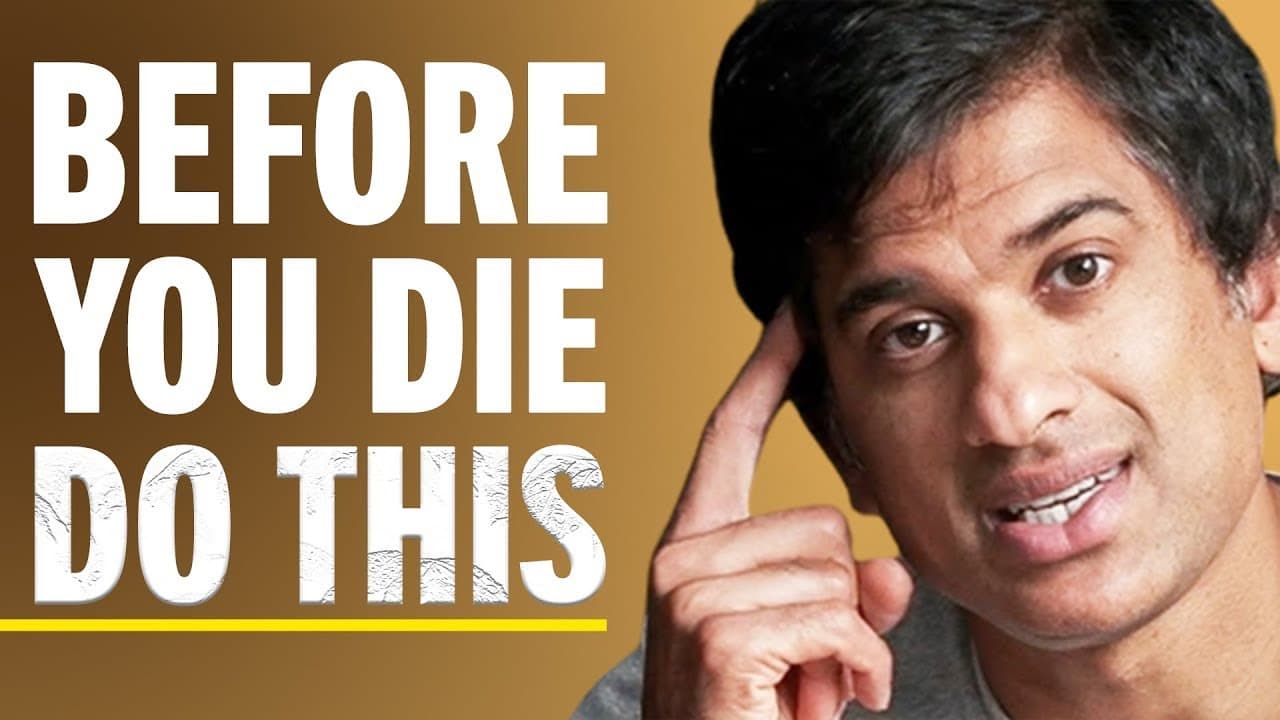
many people chase success and they neglect happiness I've ticked all the boxes of societal success but until a few years ago I honestly don't think I was happy but who you are is not how you have to stay the uncomfortable truth is please welcome to the stage doctor rongan chaty like I have said that 80 to 90% of what we see as doctors is in some wa... Read More
Key Insights
- Mental wellbeing is an upstream influence on lifestyle because thoughts, self-perception, emotional health, and responses to conflict shape daily decisions about food, sleep, movement, rest, and stress. These behaviors then influence physical health, while healthier behaviors can also improve wellbeing.
- Happier people tend to make healthier lifestyle choices because contentment may reduce the urge to use food or alcohol to manage stress and unwind. The talk presents this behavioral pathway as one major reason that happiness and physical health are closely connected.
- Happiness may affect health independently of lifestyle, according to research examples presented in the talk. A study of nuns with similar lifestyles found that the happier participants were healthier and lived significantly longer, suggesting that differences in wellbeing mattered even when lifestyle was accounted for.
- Mental wellbeing influenced susceptibility to illness in a rhinovirus study described in the talk. After participants received the virus associated with the common cold, those in the less positive mood category became sick three times more often than participants who felt happy and content.
- Success and happiness are separate outcomes that can overlap but should not be treated as identical. External achievements such as career advancement, financial rewards, independence, or possessions do not necessarily provide contentment, especially when they require sacrificing sleep, health, relationships, and recovery.
- Chronic overwork can carry serious personal costs, as illustrated by Chatterjee's father, who slept only three nights a week for 30 years while combining hospital work with overnight house calls. Chatterjee believes chronic sleep deprivation and stress contributed to his later health problems.
- Meaningful friendship can be a missing health need rather than a minor leisure activity. Stuart's low mood and lack of motivation improved after he began meeting one friend in person each week, putting away his phone, and becoming fully present during their conversations.
- One positive change can produce a ripple effect across several behaviors. Stuart's renewed social life led to weekly football, which exposed his poor fitness and motivated him to care for himself, sleep earlier, and reduce late-night television viewing.
Install to Summarize YouTube Videos and Get Transcripts
Explore YouTube Video Summarizer or Get YouTube Transcript Extractor
Questions & Answers
Q: How does happiness influence physical health?
Happiness can influence physical health through both behavior and a possible direct relationship with wellbeing. People who feel content may naturally make better choices about food, sleep, movement, rest, and stress. The talk also cites research involving nuns and rhinovirus exposure to argue that happier people can experience better health even when lifestyle differences are considered.
Q: Why can improving mental wellbeing make healthy habits easier to sustain?
Mental wellbeing shapes the daily decisions that become lifestyle habits. How people feel about themselves, handle conflict, approach their responsibilities, and experience stress can affect eating, sleeping, movement, and recovery. Information alone may inspire short-term change, but addressing the emotional conditions driving behavior may help those changes continue beyond a few weeks or months.
Q: What is the difference between success and happiness?
Success generally refers to external achievements such as career progression, business ownership, independence, education, income, or possessions, while happiness concerns contentment and how life feels internally. The two can overlap, but they are not automatically connected. Pursuing visible success while neglecting sleep, relationships, health, and emotional needs can leave a person accomplished but unhappy.
Q: What does the story of Rangan Chatterjee's father show about overwork?
Chatterjee's father became a consultant and provided his children with a strong education, but maintained an extreme work schedule. He combined hospital duties with overnight GP house calls and slept only three nights a week for 30 years. Chatterjee believes the resulting chronic sleep deprivation and stress contributed to the serious health problems his father developed at 58.
Q: Can social connection help someone experiencing low mood?
Social connection helped Stuart, a patient in his late 30s who sometimes felt too low to leave bed and had become indifferent toward his life. He began meeting at least one friend in person every week and put away his phone during those meetings. Within six weeks, he reported renewed motivation, enthusiasm, and enjoyment, although the talk does not claim this approach fits every situation.
Q: What practical change helped Stuart regain his motivation?
Stuart was asked to see at least one friend in person each week for six weeks and remain fully present by putting his phone away. He initially met a friend at a local cafe every Sunday. After two or three weeks, the group also established a weekly five-a-side football game, and his mood and motivation improved substantially.
Q: What is the ripple effect of one positive lifestyle change?
The ripple effect occurs when one manageable change encourages improvements in other areas of life. Stuart first restored regular face-to-face contact with friends, then began playing weekly football. Realizing that he was unfit motivated him to care for his health, go to sleep earlier, and stop watching box sets so late at night.
Q: Why are face-to-face friendships different from following friends online?
Online platforms can show what friends eat or where they travel without providing an actual shared interaction. The talk argues that deep, meaningful connection requires making time to meet in person and being present rather than distracted by a phone. For Stuart, regular face-to-face contact addressed a friendship deficiency that observing friends through social media had not resolved.
Summary & Key Takeaways
-
Mental wellbeing sits upstream from many lifestyle behaviors. Thoughts, self-perception, conflict management, and daily emotional experience can influence diet, sleep, movement, and stress management, which then affect physical health. Lifestyle improvements can also support wellbeing, but focusing on happiness may make healthier behaviors easier to begin and sustain.
-
Success and happiness can overlap, but they are not automatically the same. Dr. Rangan Chatterjee describes how his father achieved professional success while enduring severe sleep deprivation and chronic stress. His story illustrates the danger of sacrificing rest, relationships, and contentment while pursuing career advancement and external markers of achievement.
-
A patient named Stuart felt low, unmotivated, and indifferent despite owning a business, driving a sports car, and controlling his work schedule. Meeting a friend in person each week, staying present without his phone, and later playing weekly football restored his enthusiasm and encouraged better fitness and sleep habits.
Read in Other Languages (beta)
Share This Summary 📚
Summarize YouTube Videos and Get Video Transcripts with 1-Click
Try YouTube Summary with ChatGPT & Claude or YouTube Transcript Generator
Explore More Summaries from Dr Rangan Chatterjee 📚


Summarize YouTube Videos and Get Video Transcripts with 1-Click
Try YouTube Summary with ChatGPT & Claude or YouTube Transcript Generator