How Does Claude Tag Work for Collaborative Teams?
TL;DR
Claude Tag lets a team assign work to a shared Claude agent from a Slack channel, where it can divide requests into stages, use connected tools, and return results in the original thread. It retains channel-specific context, works asynchronously, and can proactively surface relevant information or follow up on unresolved tasks when ambient behavior is enabled.
Transcript
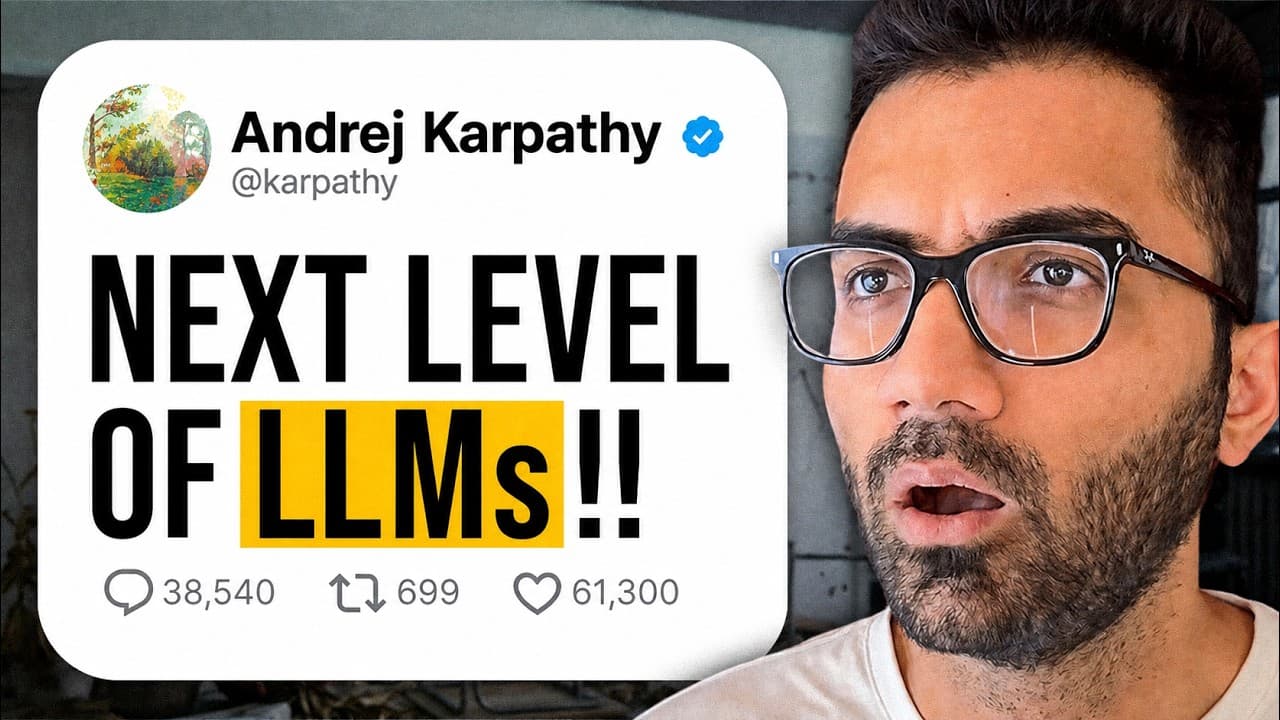
Claude has released something new. It's called Claude Tag. A new way for teams to work with Claude. And this caught my attention because Anra Karpati wrote this is a new paradigm for interacting with claude that is significantly more in line with all the other human activity orwide. Once you do all of the under the hood engineering work to make thi... Read More
Key Insights
- Claude Tag is a shared AI agent designed to work with an entire team through Slack rather than serving one person in an isolated chat. Everyone in a channel can observe its work, contribute information, and continue from where another teammate stopped.
- Claude Tag works by breaking a tagged request into stages, completing those stages with its available tools, and responding in the original Slack thread. The described workloads include writing or merging pull requests, conducting data analysis, and helping teams resolve incidents.
- Each Slack channel has its own Claude instance with channel-specific memory and context. These instances cannot currently share context across channels, which limits useful cross-team knowledge transfer but helps prevent sensitive information from leaking into groups that should not receive it.
- Claude Tag is presented as an evolution of Claude Code that adds persistence, asynchronous execution, and collaboration. The presenter characterizes this interface as a third major interaction model after visiting an AI website and downloading an AI application to a personal computer.
- Proactive behavior is available when ambient behavior is enabled. Claude can surface relevant information from its channel and connected tools, provide updates it considers useful, and follow up on conversations or tasks that have become inactive without reaching a resolution.
- Asynchronous operation lets people assign work and return to other priorities while Claude continues processing. Claude can also schedule work for itself and pursue a project autonomously over hours or days, making it behave more like a persistent teammate than a reactive chat tool.
- Engineering automation requires a capable cloud sandbox because complex repositories may need dependencies, databases, seed scripts, builds, linters, and type checkers. Simply cloning a repository and generating changes without configuring its environment can produce a pull request that fails automated checks.
- Testing remains necessary even when Claude generates or changes code. The presenter notes that Claude does not prevent dangerous, untested code from reaching production, then presents TestSprite as a sponsored testing platform that generates tests, simulates user experiences, and provides recordings of individual tests.
Install to Summarize YouTube Videos and Get Transcripts
Explore YouTube Video Summarizer or Get YouTube Transcript Extractor
Questions & Answers
Q: What is Claude Tag and how does it work?
Claude Tag is a shared AI agent that teams can access by tagging Claude inside a Slack channel. After receiving a request, it divides the task into stages, works through those stages with the tools it can access, and posts what it creates back to the thread. It can handle tasks such as pull requests, data analysis, and incident resolution.
Q: How is Claude Tag different from a regular AI chat?
Claude Tag differs from a regular AI chat because it is shared by everyone within a Slack channel and is designed for persistent, collaborative work. Teammates can see what it is doing and continue from one another's stopping points. It can also work asynchronously, schedule tasks, retain channel context, and provide proactive updates when ambient behavior is enabled.
Q: How does Claude Tag use context across Slack channels?
Each Slack channel receives a separate Claude instance with its own memory and context about activity in that channel. According to the transcript, those instances cannot currently share context with one another. This isolation may prevent engineering knowledge from automatically helping a customer-support channel, but it also reduces the possibility of information being exposed to an inappropriate channel.
Q: What tasks can teams assign to Claude Tag?
Teams can ask Claude Tag to complete several kinds of work through a Slack thread. The examples given include writing or merging pull requests, running data analysis, and helping resolve an incident discussed in a channel. Claude can divide a larger request into stages, use connected tools, and report its results where the team can review and continue the work.
Q: Can Claude Tag take action without a new prompt?
Claude Tag can act proactively when its ambient behavior is enabled. It may provide updates about information it considers relevant, identify useful details from its current channel and connected tools, or follow up on threads and tasks that have gone quiet without being resolved. The presenter contrasts this initiative with AI systems that respond only after a message, event, or webhook triggers them.
Q: Can Claude Tag work on long-running tasks asynchronously?
Claude Tag can continue working after a teammate assigns a task and turns attention to other priorities. The transcript also says it can schedule tasks for itself and pursue a project autonomously over hours or days. This asynchronous behavior supports work that cannot be completed in one immediate exchange, while results and updates remain available to the team through Slack.
Q: Why does Claude Tag need cloud computing for software development?
Software development often requires more than cloning a repository and editing files. A project may include a backend, frontend, Docker configuration, package installation, a local database, seed scripts, builds, linters, and type checking. Because Claude Tag works asynchronously rather than on a developer's machine, it needs a capable cloud sandbox where it can configure the project, run checks, and push changes.
Q: Does Claude Tag eliminate the need to test generated code?
Claude Tag does not eliminate the need for testing or prevent untested, dangerous code from being pushed to production. Generated changes still need an environment where builds, linters, type checkers, and application behavior can be checked. The sponsored segment presents TestSprite as one option for generating tests, simulating user behavior, recording tests, and exporting results to GitHub or a local codebase.
Summary & Key Takeaways
-
Claude Tag is presented as a team-oriented evolution of Claude Code that begins inside Slack. Team members tag Claude with a request, and it divides the work into stages, uses available tools, and posts its output in the relevant thread. Its possible assignments include preparing pull requests, analyzing data, and helping resolve incidents.
-
Each Slack channel receives a shared Claude instance that interacts with everyone in that channel. Its memory and context are isolated from other channels to reduce the risk of information leaking between groups. This multiplayer design allows colleagues to see Claude's work and continue tasks from the point where another teammate stopped.
-
Claude Tag can work asynchronously, schedule tasks, provide proactive updates, and pursue projects over hours or days. Engineering work requires a cloud environment capable of cloning repositories, installing dependencies, configuring databases, running builds, and pushing changes. The presenter argues that reliable testing and human review remain important before code reaches production.
Read in Other Languages (beta)
Share This Summary 📚
Summarize YouTube Videos and Get Video Transcripts with 1-Click
Try YouTube Summary with ChatGPT & Claude or YouTube Transcript Generator
Explore More Summaries from Mehul Mohan 📚

Summarize YouTube Videos and Get Video Transcripts with 1-Click
Try YouTube Summary with ChatGPT & Claude or YouTube Transcript Generator