What Is the Next Generation of Open-Source Fintech?
TL;DR
The next generation of open-source fintech aims to transform capital markets to be more natural, fair, and secure by addressing issues of centralization and monopolization seen in current systems. It envisions incorporating sustainable finance, eliminating the need for antitrust laws, and empowering regulators with built-in trust and collaboration. This will create a more inclusive financial ecosystem with tailored monetary policies for various markets.
Transcript
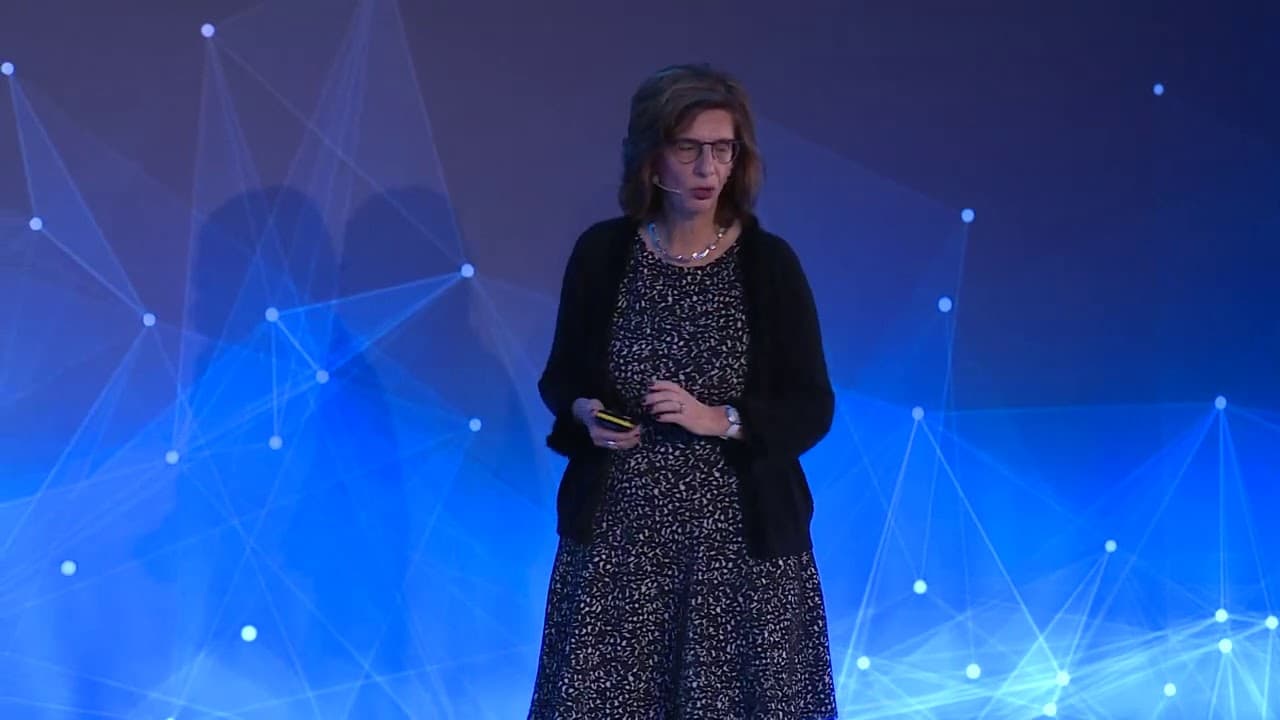
[Applause] hello everybody I've deliberately scrapped the title of my presentation and I want to ask you to trust me for 15 minutes and come along with me on a random walk because that's where I am after more than 20 years and Wall Street and hedge fund industry in the last five years being in FinTech I'm finding myself in literally a random walk e... Read More
Key Insights
- 😶🌫️ Fintech has revolutionized the financial industry by prioritizing customer needs and connecting various stakeholders through APIs and the cloud.
- 😮 However, the rise of centralized entities has overshadowed the benefits of fintech, leading to socializing failures and strengthening monopolies.
- 🖤 The current internet protocol lacks fairness, trust, and collaboration, enabling data monopolists to dominate the digital landscape.
- 🪡 A new open-source protocol is needed to rebuild capital markets, incorporating sustainable finance, removing the need for antitrust laws, empowering regulators, and introducing elastic monetary policies.
- ⏳ The redesigned capital markets should promote peer-to-peer trading, ensure real-time audit trails, lower transaction costs, enhance financial inclusion, and address pressing global issues.
- 🤑 Different markets, such as money markets and labor markets, would require tailored monetary policies to optimize resource allocation and incentivize participation.
Install to Summarize YouTube Videos and Get Transcripts
Explore YouTube Video Summarizer or Get YouTube Transcript Extractor
Questions & Answers
Q: Why is a next-generation open-source protocol needed for fintech?
The current fintech landscape, though customer-centric, has led to the emergence of centralized entities that risk monopolies and socializing failures. A new protocol is needed to deliver fairness, trust, and collaboration, addressing the shortcomings of the existing internet.
Q: How can a new open-source protocol benefit capital markets?
By redesigning capital markets with a new protocol, we can remove the need for antitrust laws, promote peer-to-peer trading, establish real-time audit trails, ensure low-cost and fair transactions, and enhance financial inclusion, all while preserving security and liquidity.
Q: What role do monetary policies play in a redesigned capital market?
In a decentralized future, different markets, such as money markets, labor markets, and reputation markets, would require different monetary policies tailored to their specific needs. This would create the right incentives and optimize the allocation of resources within each market.
Q: How can the next-generation open-source protocol address global issues like poverty and climate change?
The intention behind the protocol is to enable collaboration and consensus-building among stakeholders, allowing them to address pressing human problems. By leveraging the technology, such as blockchain, it is hoped that these issues can be tackled more effectively.
Summary & Key Takeaways
-
Fintech has brought customer-centric innovations, empowered by APIs and the cloud, but it has resulted in the emergence of centralized entities and the socializing of failures.
-
The internet's tcp/ip protocol, though empowering, lacked fairness, trust, and collaboration, leading to the dominance of data monopolists like Google and Facebook.
-
The next generation open-source protocol aims to rebuild capital markets, incorporating sustainable finance, removing the need for antitrust laws, empowering regulators, and introducing elastic monetary policies.
Read in Other Languages (beta)
Share This Summary 📚
Summarize YouTube Videos and Get Video Transcripts with 1-Click
Try YouTube Summary with ChatGPT & Claude or YouTube Transcript Generator
Explore More Summaries from Efi Pylarinou 📚


Summarize YouTube Videos and Get Video Transcripts with 1-Click
Try YouTube Summary with ChatGPT & Claude or YouTube Transcript Generator