How to Start and Grow a YouTube Channel Now
TL;DR
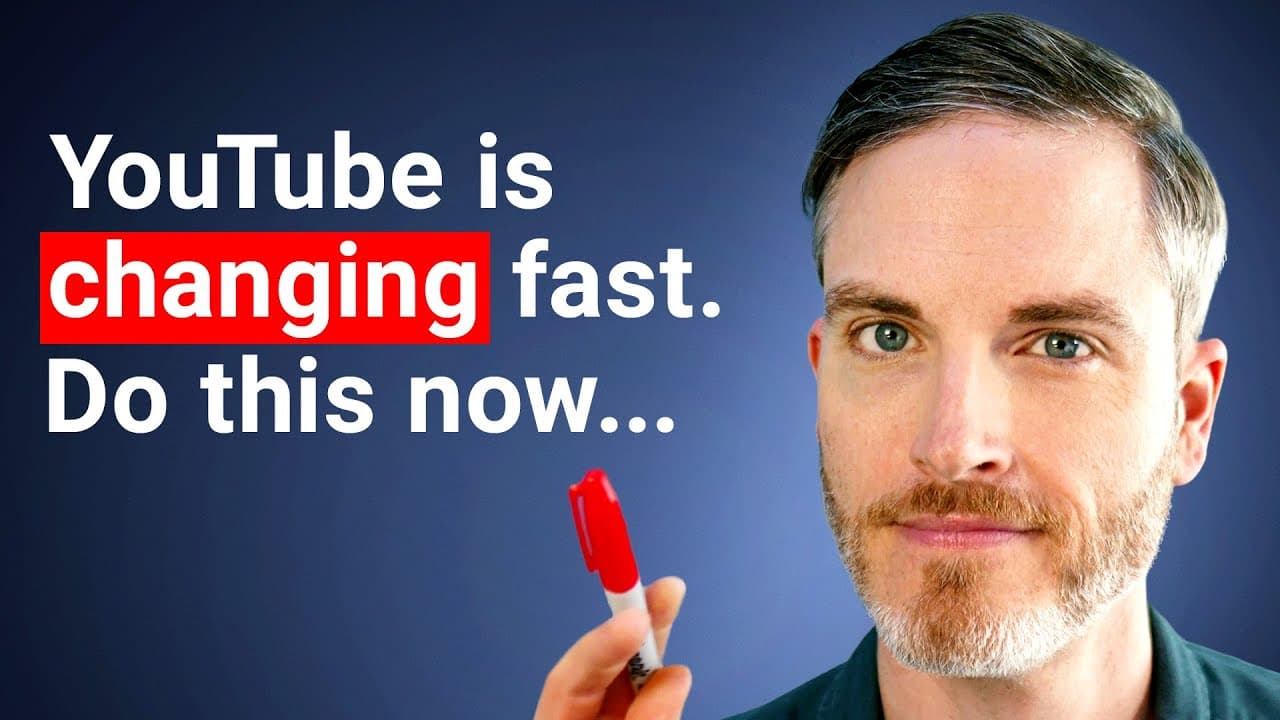
Start by publishing strategically and continuing beyond the early uploads when many other creators quit. YouTube is crowded, with over 500 hours of video uploaded every minute, but the transcript argues that focused videos can still generate views, subscribers, advertising income, leads, and clients. A clear plan, consistent action, and willingness to improve matter more than perfect production or an early start.
Transcript
I'm so fired up. YouTube Jumpstart is a 3-day event, and this is actually a kickoff session. We're going to be talking about three things you need to know immediately, five big opportunities on YouTube, and some of the most brutal challenges that you're facing right now if your goal is to start or grow a successful YouTube channel. But my name is S... Read More
Key Insights
- YouTube is highly competitive, with over 500 hours of video uploaded every minute, so creators cannot assume that simply publishing will produce views. A deliberate plan is needed to make content more useful, relevant, and capable of standing out among the constant flow of new uploads.
- More than 96% of YouTube users have never uploaded a single video, according to the presentation. Pressing record and publishing therefore separates a creator from most platform users, even before that creator develops advanced technical skills or builds a substantial audience.
- Many beginning creators quit before their tenth upload, and some stop after only three or five videos. Early disappointment is therefore common, but continuing to publish strategically can reduce the practical competition because many other channels disappear before developing enough experience to improve.
- Strategic topic selection can change a channel's trajectory. The featured coach moved beyond a frustrating plateau when one video received over 70,000 views, earned over $1,000, and added over 2,000 subscribers, demonstrating the potential impact of one well-planned upload.
- YouTube can support income beyond advertising revenue. The featured creator generated $853 in one week through another income stream, showing that a channel may contribute to a business through offers, leads, or clients rather than depending exclusively on payments tied directly to views.
- Perfect production is not presented as a requirement for beginning. The central recommendation is to develop a plan, publish, evaluate results, and improve strategically, rather than waiting to become technically sophisticated or assuming that success belongs only to creators who joined the platform earlier.
- Low-effort content faces difficulty in a crowded environment, according to the event's listed brutal truths. Creators need to put meaningful thought into their videos and avoid treating uploads as isolated attempts that should succeed without clear positioning, useful content, or continued refinement.
- Structured implementation can turn information into action. The Jumpstart event provides recorded sessions, a schedule, daily challenges, downloads, community support, and possible coach feedback so participants can apply each lesson instead of merely collecting more information about YouTube growth.
Install to Summarize YouTube Videos and Get Transcripts
Explore YouTube Video Summarizer or Get YouTube Transcript Extractor
Questions & Answers
Q: Is it too late to start a YouTube channel?
It is not presented as too late to start, even though YouTube is more crowded than ever and over 500 hours of video are uploaded every minute. More than 96% of users have never uploaded a video, and many beginners quit before their tenth upload. A new creator can therefore improve the odds by publishing, staying active, and choosing videos strategically instead of expecting immediate results.
Q: How can a new YouTube creator compete with established channels?
A new creator can compete by using a clear plan, selecting topics strategically, and continuing through the early period when results may be disappointing. The presentation emphasizes that many competitors stop after three, five, or fewer than ten uploads. Persistence alone is not enough, however. The uploads should be intentional, useful, and refined through action rather than produced as low-effort attempts.
Q: How many videos should a beginner publish before judging a channel?
The transcript does not prescribe an exact number of videos that guarantees success. It does state that many creators quit before their tenth upload, with some stopping after three or five. That pattern suggests beginners should not treat a handful of uploads as a final verdict. They should continue long enough to apply strategy, observe performance, and improve their decisions rather than quitting during the earliest learning stage.
Q: Can one YouTube video significantly grow a small channel?
One strategic video can significantly affect a small channel, as shown by the featured coach's experience. After her channel plateaued, one upload received over 70,000 views, earned over $1,000, and brought in over 2,000 subscribers. The example does not promise identical results for everyone, but it demonstrates why careful video strategy can matter more than assuming a newer channel has already missed its opportunity.
Q: Do YouTube creators need advanced technical skills to succeed?
Advanced technical ability is not presented as a prerequisite for starting or gaining traction. The featured creator was a coach in her 50s who had begun only 10 months earlier, and her breakthrough came from one strategic video. The recommended priorities are courage, a plan, intentional publishing, and continued improvement. Technical production can be developed, but waiting for perfect skills can prevent a creator from taking useful action.
Q: How can a YouTube channel make money besides advertising?
A YouTube channel can contribute to another income stream rather than relying only on advertising revenue. In the featured example, the creator made $853 in one week from a source specifically described as separate from YouTube ad revenue. The presentation also identifies business owners seeking leads or clients as appropriate participants, indicating that videos can support broader business goals and customer acquisition.
Q: Why do most new YouTube creators struggle or quit?
New creators often face heavy competition, low initial view counts, discouraging subscriber changes, and the feeling that they have missed their opportunity. The transcript says many stop before ten uploads, while others quit after three or five. It also identifies low-effort content as a problem. Overcoming these pressures requires realistic expectations, purposeful videos, continued action, and a willingness to improve instead of treating early numbers as permanent.
Q: What should a creator do after watching YouTube training?
A creator should convert each lesson into a concrete next action rather than stopping at information consumption. The Jumpstart format supports implementation through daily challenges after sessions, opportunities to post completed work, community participation, and possible feedback from Think Media coaches. Creators are also encouraged to review the schedule, attend multiple sessions, use the available downloads, and watch recordings when they cannot participate live.
Summary & Key Takeaways
-
YouTube has intense competition, with over 500 hours of video uploaded every minute, yet more than 96% of its users have never uploaded a video. Publishing therefore marks an important shift from consumer to creator, while continuing beyond the first few uploads separates committed creators from many people who stop early.
-
A coach in her 50s started her channel only 10 months before the event and initially encountered a plateau. One strategically selected video later received over 70,000 views, earned over $1,000, and attracted over 2,000 subscribers. Another income stream produced $853 for her in one week.
-
The recommended approach combines strategy, persistence, and action. Creators should plan videos deliberately, accept that low-effort content faces difficulty, and continue through discouraging periods. The Jumpstart event supports this process with recorded teaching sessions, schedules, daily challenges, downloadable resources, community participation, and feedback from members of the Think Media coaching team.
Read in Other Languages (beta)
Share This Summary 📚
Summarize YouTube Videos and Get Video Transcripts with 1-Click
Try YouTube Summary with ChatGPT & Claude or YouTube Transcript Generator
Explore More Summaries from Think Media 📚


Summarize YouTube Videos and Get Video Transcripts with 1-Click
Try YouTube Summary with ChatGPT & Claude or YouTube Transcript Generator