Why You Won't Lose Weight Despite Knowing How
TL;DR
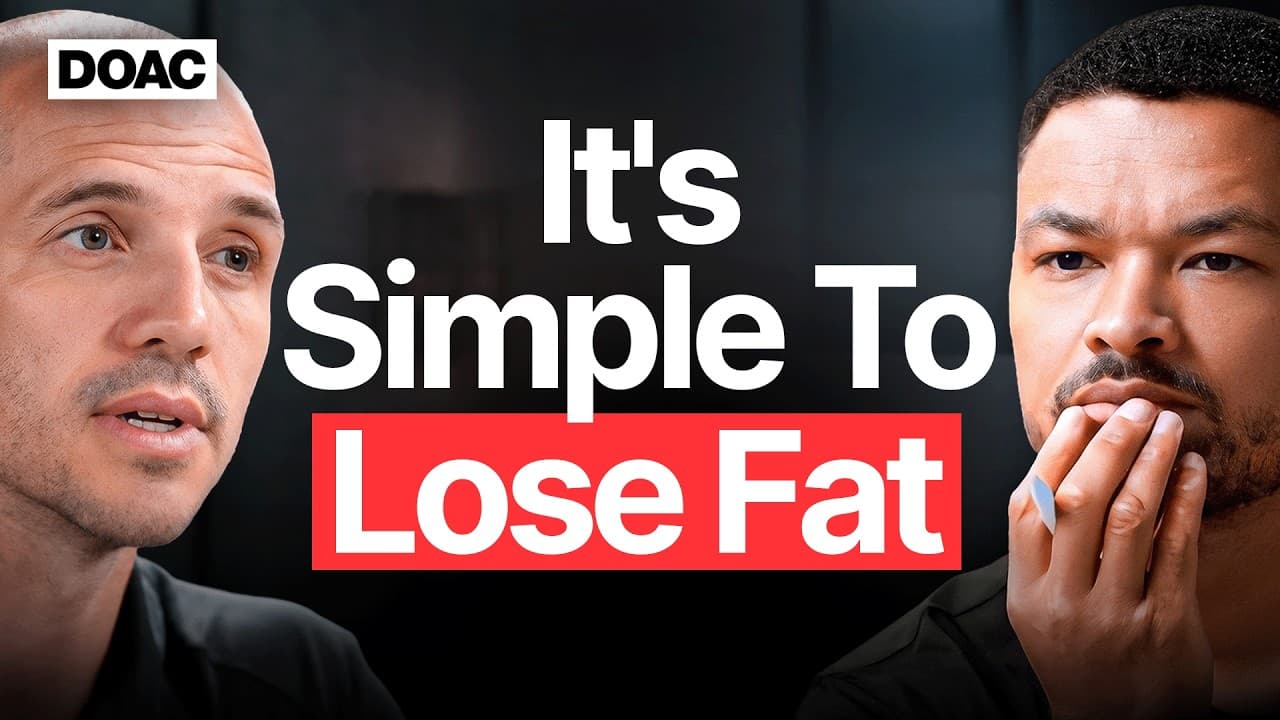
Losing weight is straightforward with scientific evidence backing numerous methods, but many fail due to not addressing underlying issues like sleep disorders. Key factors include optimizing sleep, managing energy, and understanding personal health constraints. Without addressing these, even the best weight loss plans may falter.
Transcript
Everything you see in this table has a strong scientific evidence that it will help with sleep. >> So, we're going to dig into all of those in great detail. >> So, the first one is a really good one. Kiwis. >> Kiwis. >> Yeah. So, there's been good studies on them. So, if you have two to three kiwis before bed, you'll see people sleeping better. Nex... Read More
Key Insights
- Sleep apnea affects a significant portion of the population and often goes undiagnosed, impacting overall health and longevity.
- Sound exposure, especially inconsistent noise, can significantly disrupt sleep quality.
- Melatonin is often misused; it's effective for circadian rhythm adjustment but not as a nightly sleep aid.
- Exercise enhances energy by improving mitochondrial health and increasing blood flow.
- Cholesterol levels can be influenced by diet, stress, and genetics, requiring personalized management strategies.
- Vitamin D and omega-3 deficiencies are common and can impact overall health and energy levels.
- Managing energy effectively involves identifying hidden and visible stressors and optimizing lifestyle choices.
- The 5-4-3-2-1 method is a structured approach to fat loss focusing on incremental, sustainable changes.
Install to Summarize YouTube Videos and Get Transcripts
Explore YouTube Video Summarizer or Get YouTube Transcript Extractor
Questions & Answers
Q: How can I improve my sleep quality?
Improving sleep quality involves addressing environmental factors such as light exposure, sound, and temperature. Ensuring a dark, quiet, and cool sleeping environment can enhance sleep. Additionally, managing stress and avoiding stimulating activities or screens before bed can help. Identifying and treating any underlying sleep disorders like apnea is also crucial.
Q: What are the effects of melatonin on sleep?
Melatonin helps regulate circadian rhythms, making it useful for adjusting sleep patterns during travel or for shift workers. However, it's not effective as a regular sleep aid for falling asleep or staying asleep. Overuse or incorrect timing can lead to grogginess and disrupt natural hormone balances, so it should be used sparingly and as needed for specific circumstances.
Q: How does exercise impact energy levels?
Exercise improves energy levels by enhancing mitochondrial health, increasing blood flow, and boosting overall fitness. Regular physical activity leads to more efficient energy production and utilization, helping to combat fatigue. It also improves cardiovascular health, which supports sustained energy levels throughout the day, making daily activities feel less taxing.
Q: Why is cholesterol management important?
Cholesterol management is crucial for cardiovascular health. High levels of cholesterol can lead to plaque buildup in arteries, increasing the risk of heart disease and stroke. Managing cholesterol involves dietary changes, stress reduction, and sometimes medication. It's important to monitor cholesterol levels, especially if there's a family history of heart disease, to prevent long-term health issues.
Q: What role does vitamin D play in health?
Vitamin D is essential for bone health, immune function, and overall well-being. It helps the body absorb calcium, supports muscle function, and may influence mood and energy levels. Deficiencies are common, especially in regions with limited sunlight, and can lead to health issues. Supplementation or increased sun exposure can help maintain adequate levels.
Q: How can I manage my energy more effectively?
Effective energy management involves identifying and addressing both hidden and visible stressors. This includes ensuring adequate nutrition, optimizing sleep, managing stress, and engaging in regular physical activity. Prioritizing tasks and focusing on activities that provide the greatest return on energy investment can also enhance overall energy management.
Q: What is the 5-4-3-2-1 method for fat loss?
The 5-4-3-2-1 method is a structured approach to fat loss that emphasizes gradual, sustainable changes. It involves setting specific goals and breaking them down into manageable steps, focusing on consistency and building healthy habits over time. This method encourages a balanced approach to diet, exercise, and lifestyle changes to support long-term weight management.
Q: Why might I wake up exhausted after 8 hours of sleep?
Waking up exhausted after 8 hours of sleep could indicate a sleep disorder such as apnea, poor sleep quality, or ineffective sleep cycles. Factors like stress, inconsistent sleep routines, and environmental disruptions can also impact how rested you feel. Evaluating sleep patterns, addressing potential disorders, and optimizing your sleep environment can help improve restfulness.
Summary & Key Takeaways
-
Sleep disorders like apnea are common and often undiagnosed, affecting health and weight loss efforts. Addressing sleep quality through environmental changes and proper diagnosis is crucial for overall health.
-
Energy management is key for high performance and weight loss. Identifying constraints, whether dietary, stress-related, or environmental, allows for targeted interventions to improve energy and health.
-
Dietary factors such as cholesterol, vitamin D, and omega-3 levels play a significant role in health. Personalized approaches, including diet adjustments and stress management, can help optimize these levels.
Read in Other Languages (beta)
Share This Summary 📚
Summarize YouTube Videos and Get Video Transcripts with 1-Click
Try YouTube Summary with ChatGPT & Claude or YouTube Transcript Generator
Explore More Summaries from The Diary Of A CEO 📚



Summarize YouTube Videos and Get Video Transcripts with 1-Click
Try YouTube Summary with ChatGPT & Claude or YouTube Transcript Generator