How Do Cult Deprogrammers Help Escapees Regain Control?
TL;DR
Cult deprogrammers help escapees regain control by using structured interventions that educate individuals about coercive persuasion and cult manipulative tactics. The process involves discussing the psychological techniques used by cult leaders, providing critical information about the group, and encouraging critical thinking to enable individuals to see their situation clearly and make informed decisions about their future.
Transcript
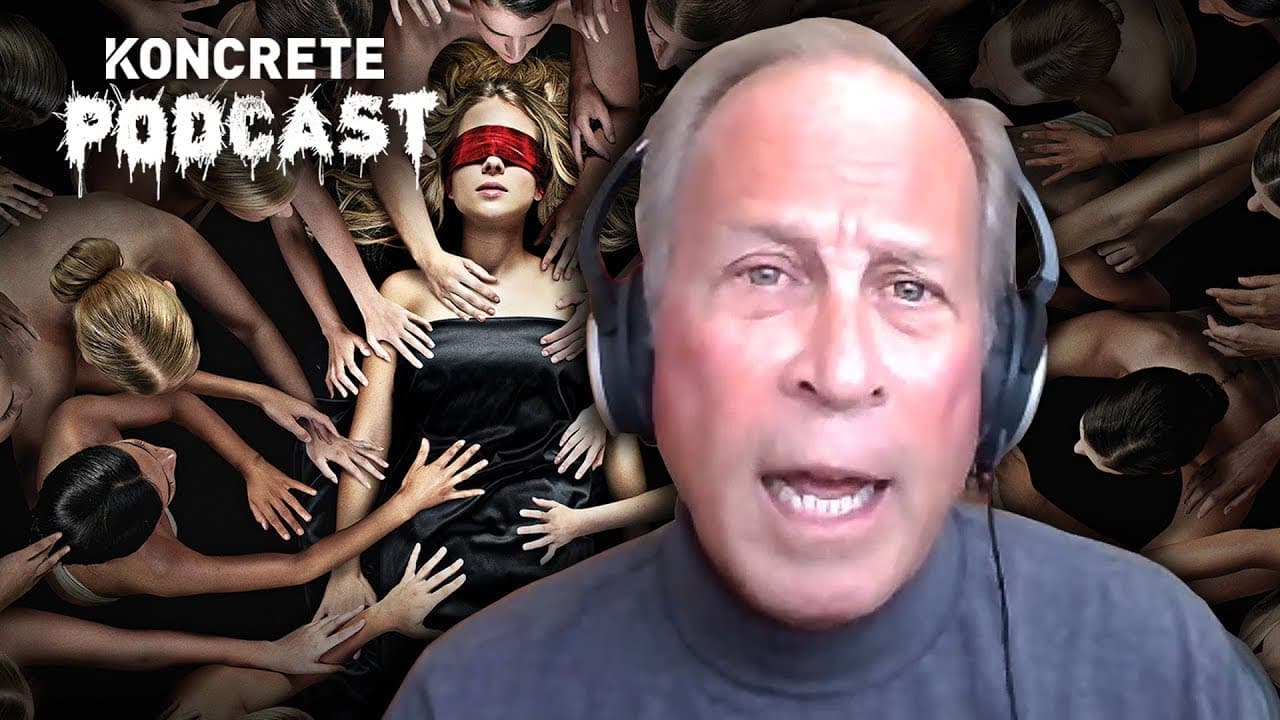
hello world rick allen ross is a cult deprogrammer who has been helping people escape cults since 1982. he recently appeared on hbo's documentary called the vow which examines nexium a self-help organization turned sex cult his book is called cults inside out which demonstrates many of the tactics the groups use for control and manipulation and mor... Read More
Key Insights
- 💦 Rick Allen Ross's work highlights the deep psychological manipulation employed by cult leaders to control and exploit followers.
- 🎯 Cults often target vulnerable populations, using personal crises to recruit and indoctrinate individuals.
- 💭 Thought-terminating clichés serve as powerful tools for suppressing dissent within cult groups.
- 🤔 Interventions involve a structured process aimed at restoring critical thinking and autonomy to former cult members.
- 🤩 Public awareness and education are key to preventing and deconstructing cult influence in society.
- 🖤 Many prominent cult leaders share common personality traits, such as narcissism and a lack of empathy.
- 🍝 Former cult members often struggle with feelings of betrayal and confusion regarding their past affiliations and experiences.
Install to Summarize YouTube Videos and Get Transcripts
Explore YouTube Video Summarizer or Get YouTube Transcript Extractor
Questions & Answers
Q: What motivated Rick Allen Ross to become a cult deprogrammer?
Rick's journey began in 1982 when he discovered a religious group targeting vulnerable elderly individuals at a nursing home, including his grandmother. His outrage led him to become an anti-cult activist and eventually a full-time deprogrammer, focusing on protecting others from exploitation.
Q: How do cult leaders typically manipulate their followers?
Cult leaders use a range of psychological techniques to create dependency and suppress critical thinking. This includes group isolation, emotional exploitation, coercion, and carefully constructed belief systems that latch onto followers' vulnerabilities, making them highly susceptible to manipulation.
Q: What are some signs that someone is involved in a cult?
Signs include extreme loyalty to a leader, isolation from friends and family, being discouraged from questioning the group or leadership, and the presence of thought-terminating clichés that dismiss dissenting views. Members may also exhibit changes in behavior, speech, and ideology.
Q: How do cult deprogrammers approach intervention with individuals?
Interventions typically involve extensive planning and education focused on four key areas: defining cults and coercive persuasion; understanding the psychological dynamics of the group; revealing withheld information; and discussing the motivations of the family staging the intervention. The goal is to spark critical thinking and self-reflection.
Q: How do individuals cope after leaving a cult?
Coping involves understanding and unpacking their experiences within the cult, recognizing that they were victims of manipulation. Engaging with literature, therapy, and support groups can help former members regain their sense of identity and process the trauma they endured.
Q: What are the similarities between QAnon and traditional cults?
Both QAnon and traditional cults employ techniques like isolation, groupthink, and the demonization of dissenters. They target vulnerable populations, use thought-terminating clichés, and rely on charismatic leaders or anonymous figures to maintain control and foster belief systems.
Q: Why do educated individuals get involved in cults?
Contrary to popular belief, highly educated individuals can fall into cults. They may be experiencing personal crises or emotional vulnerabilities, making them susceptible to the persuasive tactics employed by cult leaders, regardless of intelligence or background.
Q: How can society better protect individuals from cult influence?
Increasing public awareness about the tactics of cults, fostering critical thinking skills, and providing resources for those at risk are crucial steps. Education about the signs of exploitation and the psychological nuances of manipulation can empower individuals to resist cult influence.
Summary & Key Takeaways
-
Rick Allen Ross, a seasoned cult deprogrammer since 1982, shares insights into his journey and experiences with various cults, including nexium and cult leaders like Keith Raniere.
-
He emphasizes how cult leaders often manipulate and control their followers through psychological techniques, using the power of language to retain authority and suppress dissent.
-
The discussion highlights the importance of understanding the mechanisms of cult influence to help individuals escape destructive groups and regain their autonomy.
Read in Other Languages (beta)
Share This Summary 📚
Summarize YouTube Videos and Get Video Transcripts with 1-Click
Try YouTube Summary with ChatGPT & Claude or YouTube Transcript Generator
Explore More Summaries from Danny Jones Podcast 📚



Summarize YouTube Videos and Get Video Transcripts with 1-Click
Try YouTube Summary with ChatGPT & Claude or YouTube Transcript Generator