Why Is the U.S. Buying Japanese Yen?
TL;DR
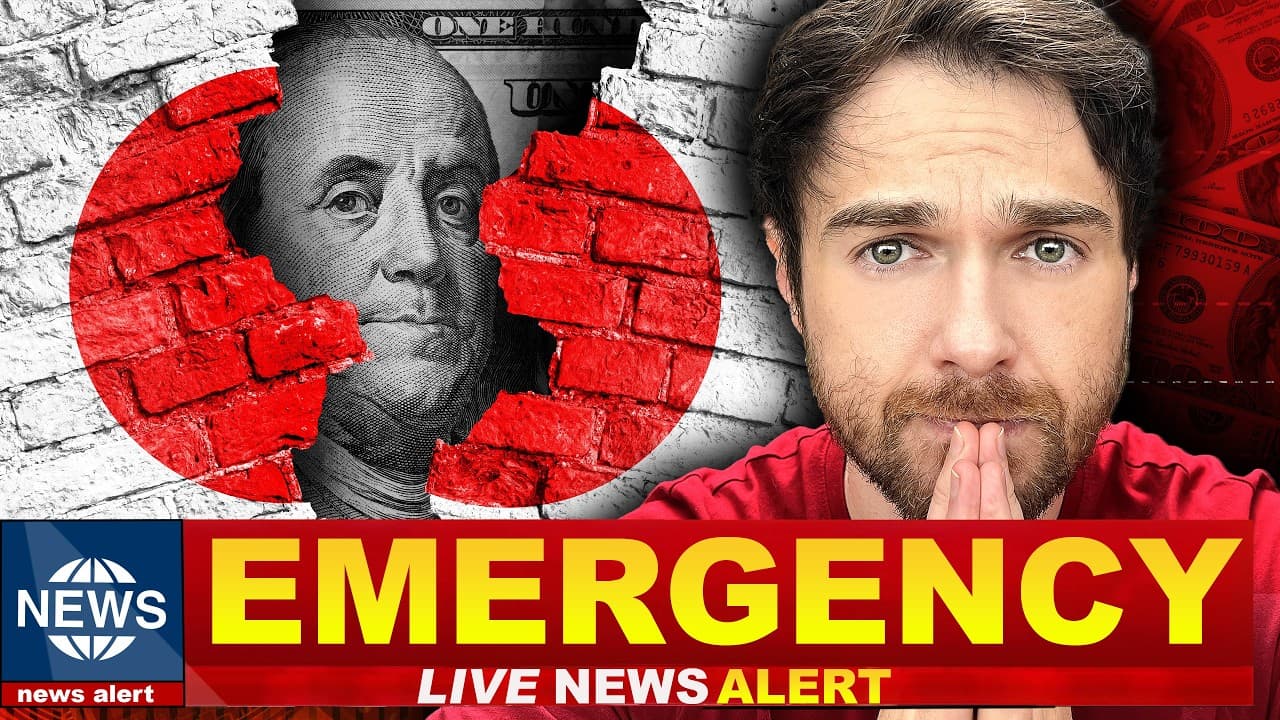
The U.S. government has intervened in the currency market to support the Japanese yen, a rare occurrence meant to stabilize financial relations and manage economic challenges. The intervention aims to subtly weaken the dollar without causing a market crisis, balancing the need for reshoring, price stability, and economic growth.
Transcript
So, something just happened that hasn't happened in 28 years. The United States government is spending its money to save another country's currency. Here's a quick look at the end as Japan and the US warned of further coordinated action in FX markets. That's after confirming the first joint intervention in 15 years to lift the Japanese currency fro... Read More
Key Insights
- The U.S. intervened in the currency market to support the Japanese yen, marking the first joint intervention in 15 years.
- A leaked note from Treasury Secretary Scott Bessant suggested the U.S. planned to buy 5-10 billion yen, sparking market speculation.
- The intervention is part of a strategy to manage the U.S. economy's 'trillemma': reshoring, price stability, and economic growth.
- A strong dollar makes U.S. exports expensive, complicating efforts to bring manufacturing back to the U.S.
- The bond market suggests the U.S. may sacrifice price stability to manage its $40 trillion national debt.
- Japan is the largest foreign holder of U.S. debt, making its economic stability crucial to U.S. financial interests.
- The U.S. used euros to buy yen, subtly weakening the dollar without officially devaluing it.
- Scott Bessant's history as a successful currency trader suggests the intervention may be more psychological than financial.
Install to Summarize YouTube Videos and Get Transcripts
Explore YouTube Video Summarizer or Get YouTube Transcript Extractor
Questions & Answers
Q: Why is the U.S. buying Japanese yen?
The U.S. is buying Japanese yen to stabilize the yen's value and indirectly weaken the dollar. This intervention is part of a strategic effort to manage economic challenges, including a massive national debt and the need for economic growth. By supporting the yen, the U.S. aims to maintain financial stability and balance its economic priorities.
Q: What is the significance of the leaked note about buying yen?
The leaked note from Treasury Secretary Scott Bessant, which indicated a planned purchase of Japanese yen, sparked significant market speculation. It suggested a strategic move by the U.S. to influence market psychology rather than directly impact currency values. The note's leak, whether accidental or intentional, served to signal U.S. intentions to support the yen and manage economic relations.
Q: How does the currency intervention affect the U.S. economy?
The currency intervention affects the U.S. economy by subtly weakening the dollar, which can support reshoring efforts and economic growth. A weaker dollar makes U.S. exports more competitive and helps manage the 'trillemma' of economic priorities: reshoring, price stability, and economic growth. This move aims to stabilize financial markets and maintain economic stability.
Q: What is the 'trillemma' facing the U.S. economy?
The 'trillemma' facing the U.S. economy involves balancing three key priorities: reshoring manufacturing, maintaining price stability, and ensuring economic growth. A strong dollar complicates reshoring by making U.S. exports expensive, while a weak dollar can lead to inflation. The currency intervention is part of a strategy to manage these competing priorities.
Q: How does Japan's economic relationship with the U.S. influence this intervention?
Japan's economic relationship with the U.S. significantly influences this intervention because Japan is the largest foreign holder of U.S. debt. Stabilizing the yen helps maintain Japan's economic stability, which is crucial for U.S. financial interests. Supporting the yen indirectly supports the U.S. bond market and helps manage the national debt.
Q: Why did the U.S. use euros to buy yen instead of dollars?
The U.S. used euros to buy yen as a strategy to subtly weaken the dollar without officially devaluing it. By not selling dollars directly, the U.S. maintains a level of deniability and avoids triggering a market panic. This approach aligns with the broader strategy to manage the economy's 'trillemma' and maintain financial stability.
Q: What role does Scott Bessant play in the currency intervention?
Scott Bessant, as Treasury Secretary, plays a key role in the currency intervention. His history as a successful currency trader suggests the intervention may be more psychological than financial. The leaked note about buying yen is seen as a strategic move to influence market behavior, leveraging Bessant's expertise in currency markets to manage economic challenges.
Q: How might this intervention impact future U.S. economic policy?
This intervention might impact future U.S. economic policy by setting a precedent for using currency markets to manage economic challenges. It highlights the complexity of balancing national debt, economic growth, and price stability. Future policies may continue to leverage subtle currency interventions to maintain financial stability and support economic priorities without causing market disruptions.
Summary & Key Takeaways
-
The U.S. has taken an unusual step of buying Japanese yen to stabilize the currency, a move not seen in decades. This intervention is part of a broader strategy to manage economic challenges, including a massive national debt and the need for economic growth. By buying yen, the U.S. subtly aims to weaken the dollar without causing a market panic.
-
The leaked note from Treasury Secretary Scott Bessant indicating a planned yen purchase sparked speculation about the U.S.'s intentions. Analysts suggest the move is psychological, designed to influence market behavior rather than directly impact currency values. This strategy aligns with the U.S.'s need to balance reshoring efforts and price stability.
-
The currency intervention reflects the complex economic relationship between the U.S. and Japan, with Japan holding significant U.S. debt. The move is seen as necessary to maintain financial stability and manage the U.S.'s 'trillemma' of economic priorities. The subtle weakening of the dollar is intended to support U.S. manufacturing and economic growth.
Read in Other Languages (beta)
Share This Summary 📚
Summarize YouTube Videos and Get Video Transcripts with 1-Click
Try YouTube Summary with ChatGPT & Claude or YouTube Transcript Generator
Explore More Summaries from Andrei Jikh 📚


Summarize YouTube Videos and Get Video Transcripts with 1-Click
Try YouTube Summary with ChatGPT & Claude or YouTube Transcript Generator