What Are the Root Causes of the Russia-Ukraine Conflict?
TL;DR
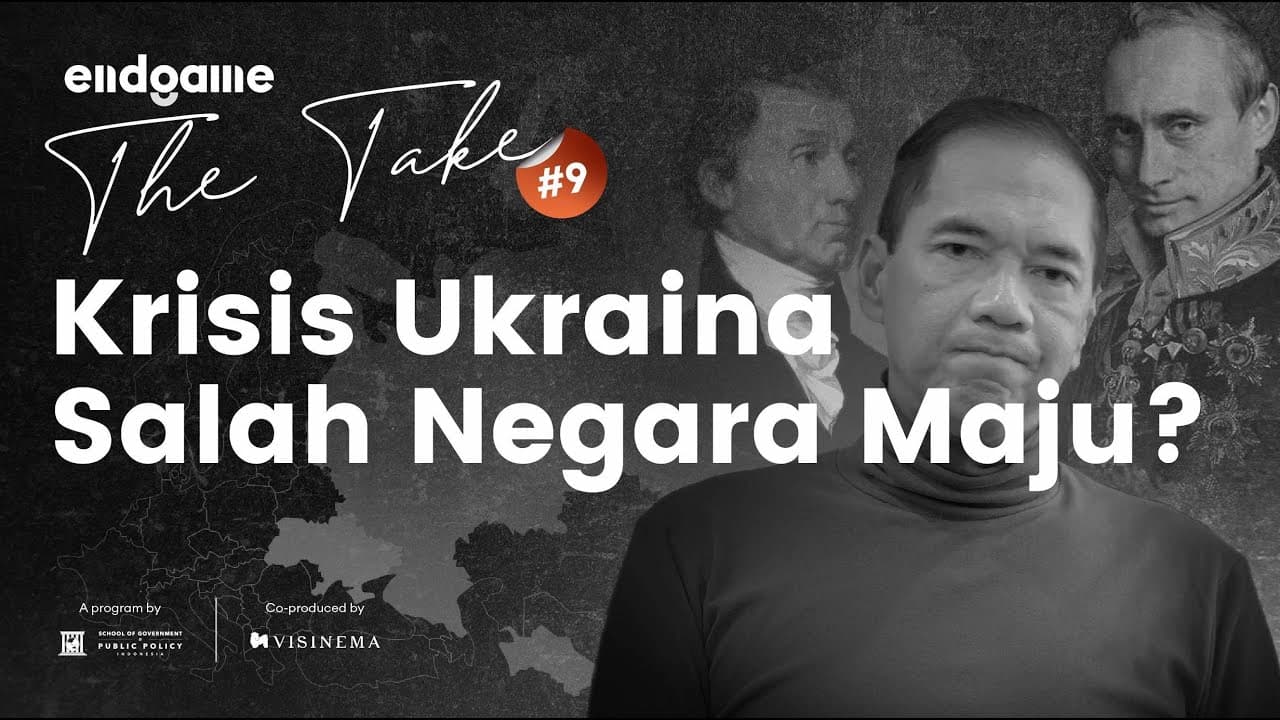
The Russia-Ukraine conflict stems from strategic interests and historical miscalculations, with Russia viewing Ukraine as a vital buffer against Western influence. Key factors include NATO's eastward expansion, the 2014 coup in Ukraine, and the need for Russia to prioritize its security over economic concerns. This conflict has significant global implications, especially for energy and food supply.
Transcript
The Russian-Ukrainian Conflict: A Battle of Ideology or Miscalculation? Chapter 1: Ukraine Belongs to Whom? Recent events in Ukraine have been extremely concerning. And, of course, they draw a lot of attention from the rest of the world's population. But perhaps in this monologue, I'd like to raise some points that I believe are important for und... Read More
Key Insights
- The Ukrainian population is predominantly Ukrainian, with significant Russian and other minority groups, influencing the cultural and political landscape.
- Neorealism suggests that strategic interests drive major powers, with Russia prioritizing security over economic interests in Ukraine.
- The Monroe Doctrine historically shaped U.S. geopolitical strategies, but priorities have shifted towards Asia, affecting global power dynamics.
- NATO's eastward expansion since the 1990s has fueled tensions with Russia, contributing to the current conflict in Ukraine.
- The 2014 coup in Ukraine and subsequent events intensified Russian actions, including the annexation of Crimea.
- Russia views Ukraine as a critical buffer state, essential for its strategic security against Western influence.
- Economic sanctions have limited impact on Russia's actions, as strategic security interests outweigh economic concerns.
- The conflict has global implications, affecting wheat supply and energy security, particularly in Europe.
Install to Summarize YouTube Videos and Get Transcripts
Explore YouTube Video Summarizer or Get YouTube Transcript Extractor
Questions & Answers
Q: What are the main ethnic groups in Ukraine?
Ukraine is predominantly inhabited by ethnic Ukrainians, who make up approximately 75% of the population. Russian ethnicity accounts for about 17-18%, with other minorities including Belarusians, Moldovans, Crimean Tatars, Jews, and Poles making up the remaining percentage. This diverse ethnic composition influences Ukraine's cultural and political dynamics.
Q: How has NATO's expansion contributed to the conflict?
NATO's expansion eastward, particularly in 1999 and 2004, has heightened tensions with Russia. The inclusion of Eastern European countries into NATO was perceived by Russia as a direct threat to its strategic security, leading to increased hostilities. The 2008 NATO summit's openness to Ukraine and Georgia's aspirations further strained relations, contributing to the current conflict.
Q: What is the significance of the Monroe Doctrine in U.S. foreign policy?
The Monroe Doctrine, established in 1823, asserted that the Americas were off-limits to European intervention, shaping U.S. foreign policy for over a century. It emphasized the Western Hemisphere's strategic importance to the U.S., influencing its geopolitical stance. However, post-2000, U.S. priorities have shifted towards Asia, impacting global power dynamics and resource allocation.
Q: Why does Russia view Ukraine as a critical buffer state?
Russia considers Ukraine a vital buffer state due to its strategic location between Russia and Western Europe. This geographical positioning provides a security barrier against perceived Western encroachment, particularly from NATO and the European Union. Russia's historical ties and large ethnic Russian population in Ukraine further underscore its importance in Russian strategic calculations.
Q: What role does neorealism play in understanding the conflict?
Neorealism, focusing on state security and power dynamics, provides a framework for understanding the conflict. It posits that major powers prioritize strategic interests over economic gains, explaining Russia's actions in Ukraine. Neorealism highlights the significance of geopolitical strategies and historical agreements in shaping international relations and conflicts.
Q: How have economic sanctions affected Russia's actions?
Economic sanctions, while impacting Russia's economy, have not deterred its strategic objectives. Russia prioritizes its security interests in Ukraine over economic concerns, demonstrating resilience against sanctions. This underscores the limitations of sanctions as a tool for altering state behavior, particularly when strategic security is at stake.
Q: What are the global economic implications of the conflict?
The conflict disrupts global wheat supply, as Russia and Ukraine produce over 30% of the world's wheat. Energy security is also threatened, with Russia supplying significant natural gas to Europe. These disruptions have widespread economic consequences, affecting food prices and energy availability, particularly in Europe, underscoring the conflict's global impact.
Q: What might resolve the conflict between Russia and Ukraine?
Acknowledging Russia's strategic security interests, similar to the Monroe Doctrine, could be key to resolving the conflict. This involves understanding Russia's need for a buffer state and its historical grievances. Diplomatic efforts focusing on these security concerns, rather than solely economic sanctions, may offer a path to de-escalation and peace.
Summary & Key Takeaways
-
The conflict between Russia and Ukraine is deeply rooted in strategic interests, historical agreements, and geopolitical shifts. Russia prioritizes its security interests, viewing Ukraine as a crucial buffer state against Western influence. The expansion of NATO and political changes in Ukraine have exacerbated tensions, leading to the current crisis.
-
The Monroe Doctrine and shifting U.S. geopolitical priorities towards Asia have influenced global power dynamics. Economic sanctions on Russia have proven ineffective in altering its strategic objectives, highlighting the importance of understanding Russia's security concerns. The conflict has significant global economic implications, particularly in energy and food supply.
-
The Ukrainian conflict underscores the complex interplay of historical, cultural, and strategic factors. The resilience of countries under economic sanctions and the prioritization of strategic security interests over economic concerns reflect the enduring influence of neorealism. Acknowledging Russia's security interests may be key to resolving the conflict and preventing further escalation.
Read in Other Languages (beta)
Share This Summary 📚
Summarize YouTube Videos and Get Video Transcripts with 1-Click
Try YouTube Summary with ChatGPT & Claude or YouTube Transcript Generator
Explore More Summaries from Gita Wirjawan 📚




Summarize YouTube Videos and Get Video Transcripts with 1-Click
Try YouTube Summary with ChatGPT & Claude or YouTube Transcript Generator