What Is Dr. Omar Suleiman's View on Islam and Justice?
TL;DR
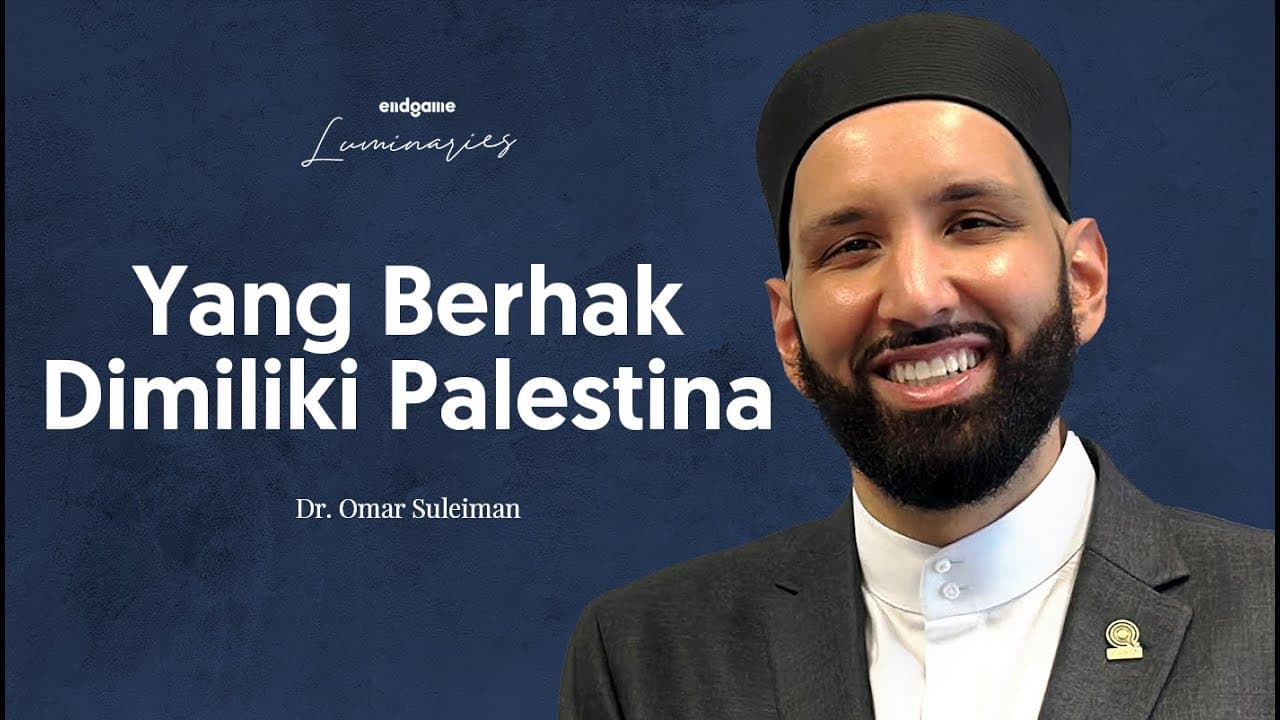
Dr. Omar Suleiman believes that Islam is often misrepresented by media and politics, leading to misunderstanding and fear. He emphasizes the importance of Muslims sharing their authentic stories to counter these misconceptions. Additionally, he advocates for social justice, particularly in the Israel-Palestine conflict, and highlights the role of family and community in fostering empathy and humanitarian values.
Transcript
So Joshua is my best friend from first grade. I didn't have any Muslims in my school. Joshua's uncle is a preacher and everyone around me is deeply Christian. So I'm talking to Joshua and I say, “Listen, let's figure out life together.” And so, we basically both decide that we're going to become a religion together. My parents have no idea this is ... Read More
Key Insights
- Dr. Omar Suleiman's childhood was marked by a multicultural upbringing in New Orleans, where he experienced both racial ambiguity and a strong connection to his Palestinian heritage.
- His journey to Islam was influenced by a friendship with a Christian best friend, leading them both to explore religious texts and ultimately convert to Islam together.
- Dr. Suleiman emphasizes the importance of family and community in fostering empathy and humanitarian values, drawing from his parents' commitment to global causes.
- He highlights the intentional misrepresentation of Islam in media and politics, advocating for Muslims to share their stories authentically and counter misconceptions.
- Dr. Suleiman's educational journey included studying Islam in the United Arab Emirates and Malaysia, where he found a harmonious blend of Islamic values and cultural humility.
- He stresses the need for Muslims to engage in social justice, drawing inspiration from historical figures like Malcolm X and Muhammad Ali, who used their platforms for advocacy.
- The conversation touches on the complexities of the Israel-Palestine conflict, with Dr. Suleiman advocating for justice and challenging normalization efforts that bypass Palestinian rights.
- Dr. Suleiman discusses the potential impact of artificial intelligence on society, urging ethical considerations and the preservation of human values in technological advancements.
- More videos with Omar Suleiman:
Install to Summarize YouTube Videos and Get Transcripts
Explore YouTube Video Summarizer or Get YouTube Transcript Extractor
Questions & Answers
Q: How did Dr. Omar Suleiman's upbringing influence his approach to Islam?
Dr. Omar Suleiman's upbringing in New Orleans, a multicultural city with a rich history, exposed him to diverse cultures and perspectives. His Palestinian heritage and his parents' humanitarian values instilled a strong sense of empathy and commitment to social justice. These experiences shaped his approach to Islam, emphasizing the importance of community, family, and advocacy for justice. His journey to Islam was also influenced by his friendship with a Christian friend, leading them both to explore religious texts and ultimately convert to Islam together.
Q: What challenges does Dr. Suleiman highlight regarding the misrepresentation of Islam?
Dr. Suleiman highlights the deliberate misrepresentation of Islam in media and politics, which portrays the religion as foreign and threatening. This misrepresentation is often fueled by political agendas and hate groups that manipulate public perception. He emphasizes the need for Muslims to authentically share their stories and beliefs to counter these misconceptions. By engaging with others directly and presenting the true values of Islam, Muslims can challenge the narratives that have been constructed to vilify their faith.
Q: How does Dr. Suleiman view the role of social justice in Islam?
Dr. Suleiman views social justice as a fundamental aspect of Islam, drawing inspiration from historical figures like Malcolm X and Muhammad Ali, who used their platforms for advocacy and change. He believes that Islam calls for the upliftment of society through service, advocacy, and addressing injustices. By living the universal values of service and goodness, Muslims can demonstrate the superior value of Islamic teachings and contribute positively to their communities and the world at large.
Q: What is Dr. Suleiman's perspective on the Israel-Palestine conflict?
Dr. Suleiman advocates for justice in the Israel-Palestine conflict, emphasizing that the burden of finding a solution should not fall on the oppressed. He criticizes normalization efforts that bypass Palestinian rights and calls for economic and social pressure on Israel to address its occupation and apartheid policies. Dr. Suleiman believes that liberation should not depend on the oppressor's moral recognition but rather on sustained pressure and advocacy for Palestinian dignity and rights.
Q: How does Dr. Suleiman perceive the impact of artificial intelligence on society?
Dr. Suleiman expresses apprehension about the impact of artificial intelligence, emphasizing the need to preserve human values and ethics in technological advancements. He warns against moving away from humanity and the potential harms of AI, such as the erosion of truth and human interaction. Dr. Suleiman calls for Islamic scholars to engage in the ethical considerations of AI, aiming to neutralize harm and harness technology for good, while maintaining a focus on humanity and ethical principles.
Q: What role do women play in fostering peace and community according to Dr. Suleiman?
Dr. Suleiman emphasizes the crucial role of women in fostering peace and community, highlighting the importance of family and collective well-being. He believes that the breakdown of family and community values contributes to societal challenges, and women play a vital role in nurturing these values. By prioritizing family and community, women can help counter individualism and promote a mindset focused on collective welfare and humanity, which is essential for building a just and peaceful society.
Q: How does Dr. Suleiman suggest Muslims address misconceptions about Islam?
Dr. Suleiman suggests that Muslims address misconceptions about Islam by sharing their authentic stories and beliefs, engaging in direct conversations with others, and challenging the narratives that portray Islam negatively. He advocates for starting discussions from a place of commonality and emphasizing the beauty and coherence of Islamic teachings. By living the values of Islam and engaging in social justice, Muslims can demonstrate the true essence of their faith and counter the deliberate misrepresentations in media and politics.
Q: What is Dr. Suleiman's vision for the future of the Muslim ummah?
Dr. Suleiman envisions a future where the Muslim ummah is united and committed to collective well-being and justice. He emphasizes the importance of ummatic thinking, which transcends nation-state divides and prioritizes the welfare of the ummah and humanity. By fostering a culture of giving back and supporting each other, Muslims can elevate their communities and contribute positively to the world. Dr. Suleiman believes that by embracing the values of Islam and advocating for justice, the ummah can overcome challenges and build a brighter future.
Summary & Key Takeaways
-
Dr. Omar Suleiman shares his journey from a multicultural upbringing in New Orleans to becoming a prominent Islamic scholar and advocate. His experiences with racial ambiguity and a strong Palestinian heritage shaped his identity and commitment to social justice.
-
The conversation explores the misrepresentation of Islam in media and politics, emphasizing the importance of authentic storytelling by Muslims to counter misconceptions. Dr. Suleiman advocates for justice in the Israel-Palestine conflict and challenges normalization efforts.
-
Dr. Suleiman discusses the potential impact of artificial intelligence on society, urging ethical considerations and the preservation of human values. He highlights the role of women in fostering family and community values, emphasizing the importance of collective well-being.
Read in Other Languages (beta)
Share This Summary 📚
Summarize YouTube Videos and Get Video Transcripts with 1-Click
Try YouTube Summary with ChatGPT & Claude or YouTube Transcript Generator
Explore More Summaries from Gita Wirjawan 📚

Summarize YouTube Videos and Get Video Transcripts with 1-Click
Try YouTube Summary with ChatGPT & Claude or YouTube Transcript Generator