A Strange Relativity: Altered Time for Surgeon-Turned-Patient
TL;DR
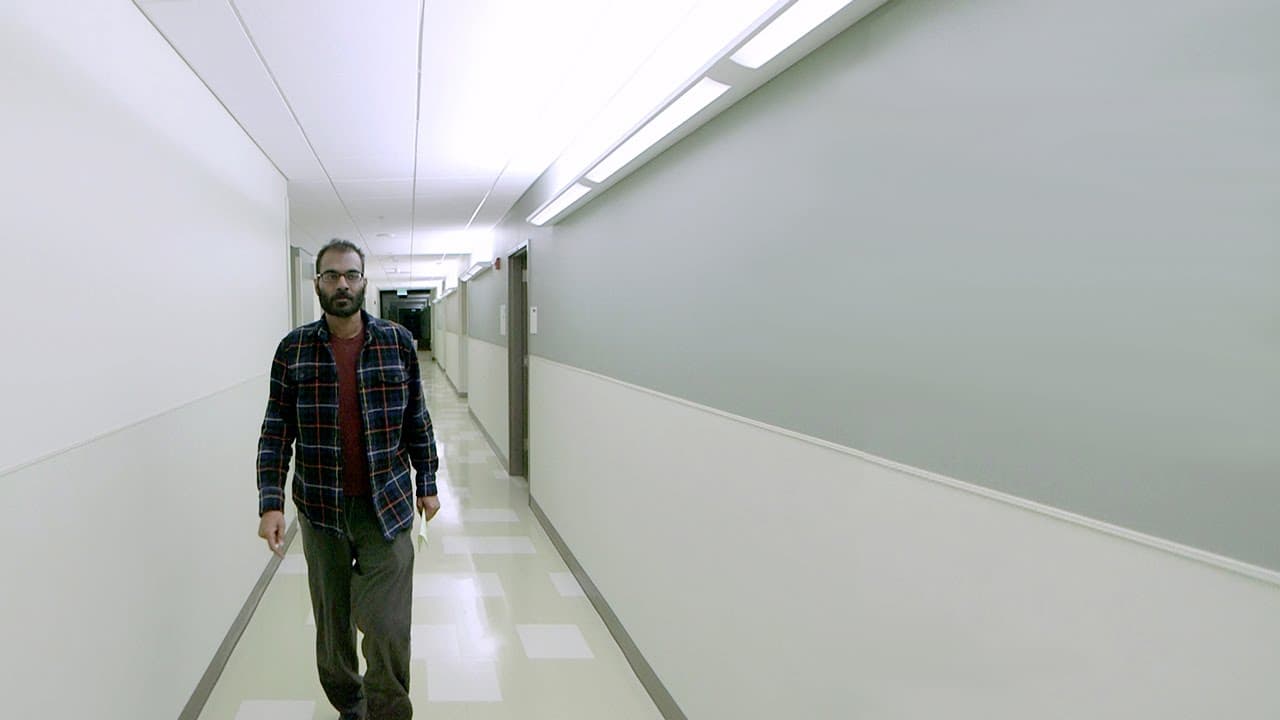
Illness profoundly alters how we perceive time, shifting focus from productivity to the importance of healing and relationships. For a neurosurgeon diagnosed with cancer, time became less linear and more fluid, highlighting the disparity between personal experiences and life events, like his daughter’s rapid development. This experience emphasizes the significance of living in the moment and the complex emotions tied to time.
Transcript
clocks are now kind of irrelevant to me time we used to have kind of a linear progression feel to it now feels more like a space if you asked me when I was 17 you know what I'd be doing with my life I would have said I definitely be a writer for me literature was always a a powerful reflecting tool for thinking about life but found after I complete... Read More
Key Insights
- ⌛ The perception of time can significantly differ depending on one's circumstances, such as career, illness, and parenthood.
- 🍻 Time is often linked to productivity and progress, especially in certain professions like medicine.
- 😀 Facing a life-threatening illness alters one's perception of time, shifting the focus from productivity to healing and recovery.
- ⌛ The passage of time can bring a mixture of joy and sorrow, as one realizes the limited time they have with loved ones.
- 🤔 The uncertainty of the future can make planning and thinking about long-term goals less meaningful.
- 😀 Hope plays a crucial role in facing difficult circumstances, as it can provide comfort and help make the most of one's life and time.
- 🥺 Time can be a source of reflection and contemplation, leading to a deeper understanding of life and mortality.
Install to Summarize YouTube Videos and Get Transcripts
Explore YouTube Video Summarizer or Get YouTube Transcript Extractor
Questions & Answers
Q: How did the speaker's perception of time change during his career as a neurosurgery resident?
As a neurosurgery resident, the speaker linked time to progress, where the numbers on the clock represented his advancement towards goals. Time was seen as a linear progression and was strongly tied to productivity.
Q: How does the speaker's perception of time shift during illness and recovery?
After being diagnosed with cancer, the speaker's perception of time changed. During chemotherapy and recuperation, time became less focused on productivity and more about healing. The speaker no longer thought about how each 15 minutes contributed to greater productivity.
Q: How does the speaker view the future and his career as a neurosurgeon in light of his illness?
Due to his uncertain health condition, the speaker is unsure about the correct tense to use when describing his career. However, he plans to return to clinical medicine if he gets healthier, indicating his desire to continue as a neurosurgeon.
Q: How does the speaker perceive the passage of time in relation to his daughter's growth?
The speaker feels tension between his static perception of time and his daughter's rapid development. He reflects on the fact that he may not live long enough for her to remember him, emphasizing the limited time they have together.
Summary
In this video, the speaker discusses the changing perception of time and its relevance in their life as a neurosurgeon and a cancer patient. They reflect on the linear progression of time and the impact of their diagnosis on their sense of time. They also explore the disconnection between their perception of time and their daughter's rapid development. Lastly, they touch on the significance of hope and the delicate balance between embracing it and preparing for the worst.
Questions & Answers
Q: How has the speaker's perception of time changed?
The speaker describes how clocks have become irrelevant in their life, as time now feels more like a space. Previously, time had a linear progression, but now it feels different to them.
Q: What did the speaker initially aspire to be?
If asked when they were 17, the speaker would have said that they wanted to be a writer. They always believed that literature was a powerful tool for reflecting on life. However, after completing their undergraduate studies, they realized their passion lay in medicine.
Q: How does the speaker perceive time in their career as a resident?
As a nursery resident, the speaker believes that time is linked to progress. They explain that as the numbers on the clock increase, so should their progress towards their goals.
Q: When did the speaker first notice symptoms of their illness?
The speaker noticed symptoms in their sixth year of residency, leading them to have a full-body CT scan. The scan revealed metastatic lesions, indicating the presence of cancer.
Q: How did the speaker react upon receiving the confirmation of their cancer diagnosis?
The speaker describes feeling devastated even though they had suspected they had cancer. In that hospital room, they cried and called their parents and siblings to share the news.
Q: How did the speaker's perception of time change during their recuperative phase?
During this phase, where they were not working, the speaker explains that time felt very different. They did not have the pressure of thinking about how each 15 minutes would contribute to greater productivity.
Q: What is the speaker's current professional situation?
The speaker finished their neurosurgical training and is a neurosurgeon, but they are not currently practicing due to their health. They express uncertainty about their future in medicine depending on how their health progresses.
Q: How does the speaker feel as a patient during clinic visits?
The speaker explains that as a physician themselves, they are constantly aware of the clock ticking in the back of their head. This awareness carries over, and they are conscious of the time when they themselves visit the doctor.
Q: Why is medical training future-oriented?
According to the speaker, medical training focuses on delayed gratification. As a result, one is always thinking about what they will be doing five years down the line. However, the speaker questions the usefulness of thinking too far into the future.
Q: How does the speaker perceive the passage of time with their daughter?
The speaker describes a disjunction in how they perceive time compared to their daughter's rapid developmental phase. They believe their sense of time is static, while their daughter is growing quickly, creating a tension between the two perspectives.
Takeaways
In this video, the speaker reflects on the changing perception of time in their life. They discuss the disconnection between their static perception of time and their daughter's rapid growth. The speaker also explores the importance of hope as a patient while acknowledging the delicate balance between preparing for the worst and embracing the possibilities ahead.
Summary & Key Takeaways
-
The speaker reflects on how his perception of time changed throughout his career, from being linear and goal-oriented as a neurosurgery resident to more fluid and non-productive during illness.
-
Having been diagnosed with cancer, the speaker realizes the significance of time and contemplates the correct tense to use when describing his career as a neurosurgeon.
-
The speaker experiences a disjunction in time between his own static perception and the rapid development of his daughter, causing a pang of longing and the awareness of his limited time with her.
Read in Other Languages (beta)
Share This Summary 📚
Summarize YouTube Videos and Get Video Transcripts with 1-Click
Try YouTube Summary with ChatGPT & Claude or YouTube Transcript Generator
Explore More Summaries from Stanford 📚


Summarize YouTube Videos and Get Video Transcripts with 1-Click
Try YouTube Summary with ChatGPT & Claude or YouTube Transcript Generator