How AI IPO Delays Impact Tech Industry

TL;DR
Anthropic and OpenAI are delaying their IPOs due to concerns over AI safety and regulatory pressures. The rapid advancement of open-source AI models is challenging the dominance of frontier companies. This shift could democratize AI access, but it also raises questions about the sustainability and future strategies of leading AI firms.
Transcript
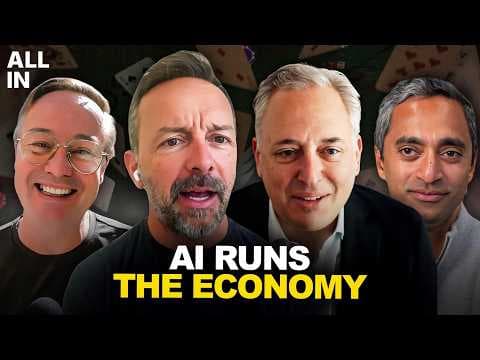
All right everybody, welcome back to episode 290 of the number one podcast in the world. It's the all-in podcast. With me again, it's the core 4. David Freedberg is here. Chimoth Poly Hapatia and David Saxs calling in. I am your host, Jason Calakanis, and we have a full docket today. I'd be remiss though if I didn't ask everybody for their fondest ... Read More
Key Insights
- Anthropic and OpenAI are delaying their IPOs due to safety concerns and regulatory pressures.
- Open-source AI models are rapidly advancing, challenging the dominance of frontier companies.
- The proliferation of open-source models is democratizing access to AI technology.
- Frontier companies are facing pressure to justify the high costs of their models.
- Anthropic's management has expressed concerns about the existential risks of AI.
- The political landscape is influencing AI regulation, with some advocating for bans on advanced AI.
- Meta's Muse and other AI agents are gaining popularity by offering practical benefits to users.
- Anthropic's new wet lab in San Francisco is focused on testing AI-predicted protein functions.
Install to Summarize YouTube Videos and Get Transcripts
Explore YouTube Video Summarizer or Get YouTube Transcript Extractor
Questions & Answers
Q: Why are Anthropic and OpenAI delaying their IPOs?
Anthropic and OpenAI are delaying their IPOs due to concerns over AI safety and regulatory pressures. The management of these companies has expressed worries about the existential risks posed by advanced AI technologies. Additionally, the rapid advancement of open-source AI models is creating new competition, challenging the dominance of these frontier companies and impacting their market strategies.
Q: How are open-source AI models impacting the industry?
Open-source AI models are rapidly advancing, challenging the dominance of frontier companies like Anthropic and OpenAI. These models are democratizing access to AI technology, allowing more individuals and organizations to utilize AI capabilities without relying on expensive proprietary models. This shift could lead to a more equitable distribution of AI benefits and drive innovation across various sectors.
Q: What political factors are influencing AI regulation?
The political landscape is significantly influencing AI regulation, with some politicians advocating for bans on advanced AI technologies due to safety concerns. This has sparked debates about the potential economic impact and the risk of stifling innovation in the tech industry. The political divide on AI regulation reflects broader ideological differences about progress and the role of technology in society.
Q: What is Meta's Muse, and why is it gaining popularity?
Meta's Muse is an AI agent designed to offer practical benefits to everyday users by performing tasks like managing emails, booking flights, and providing recommendations. It simplifies complex technical capabilities into a user-friendly interface, making AI more accessible to the general public. Muse's popularity is driven by its ability to enhance productivity and provide tangible value to users, contributing to a more positive perception of AI technologies.
Q: What is the purpose of Anthropic's new wet lab in San Francisco?
Anthropic's new wet lab in San Francisco aims to test AI-predicted protein functions, demonstrating the potential of AI in life sciences. The lab focuses on verifying the accuracy of AI models in predicting protein structures and functions, which could lead to breakthroughs in therapeutic development. This initiative highlights the growing intersection of AI and biotechnology, as companies explore new applications for AI in scientific research.
Q: How could AI regulation affect the US economy?
AI regulation could significantly impact the US economy, particularly if stringent measures are implemented that stifle innovation and slow down the AI industry's growth. The AI buildout is becoming one of the largest economic bets in US history, driving substantial investments in data centers and technology infrastructure. Restrictive regulations could drive AI development offshore, reducing the US's competitive edge and economic benefits from AI advancements.
Q: Why are some politicians advocating for bans on advanced AI?
Some politicians are advocating for bans on advanced AI due to concerns about the potential existential risks and ethical implications of superintelligent AI systems. These concerns include the possibility of AI systems acting unpredictably or being misaligned with human values. The push for bans reflects broader debates about the balance between technological progress and ensuring safety and ethical standards in AI development.
Q: What are the key challenges facing frontier AI companies?
Frontier AI companies like Anthropic and OpenAI face several key challenges, including regulatory pressures, safety concerns, and competition from rapidly advancing open-source models. They must also justify the high costs of their proprietary models to customers, who may opt for more affordable open-source alternatives. Additionally, maintaining their position as leaders in AI innovation requires continuous investment in research and development to stay ahead of the competition.
Summary & Key Takeaways
-
Anthropic and OpenAI are delaying their IPOs as they navigate safety concerns and regulatory challenges. The rapid advancement of open-source AI models is creating new competition and democratizing access to AI technology. This shift could lead to a more equitable distribution of AI benefits, but it also raises questions about the future strategies of leading AI firms.
-
The political landscape is influencing AI regulation, with some politicians advocating for bans on advanced AI technologies. This has sparked debates about the potential economic impact and the risk of stifling innovation in the tech industry. Meanwhile, Meta's Muse and other AI agents are gaining traction by offering practical benefits to everyday users.
-
Anthropic's new wet lab in San Francisco aims to test AI-predicted protein functions, demonstrating the potential of AI in life sciences. However, concerns about the existential risks of AI and the influence of political agendas on AI regulation continue to shape the industry's future.
Read in Other Languages (beta)
Share This Summary 📚
Summarize YouTube Videos and Get Video Transcripts with 1-Click
Try YouTube Summary with ChatGPT & Claude or YouTube Transcript Generator
Explore More Summaries from All-In Podcast 📚





Summarize YouTube Videos and Get Video Transcripts with 1-Click
Try YouTube Summary with ChatGPT & Claude or YouTube Transcript Generator