How to Hunt Feral Hogs for Population Control
TL;DR
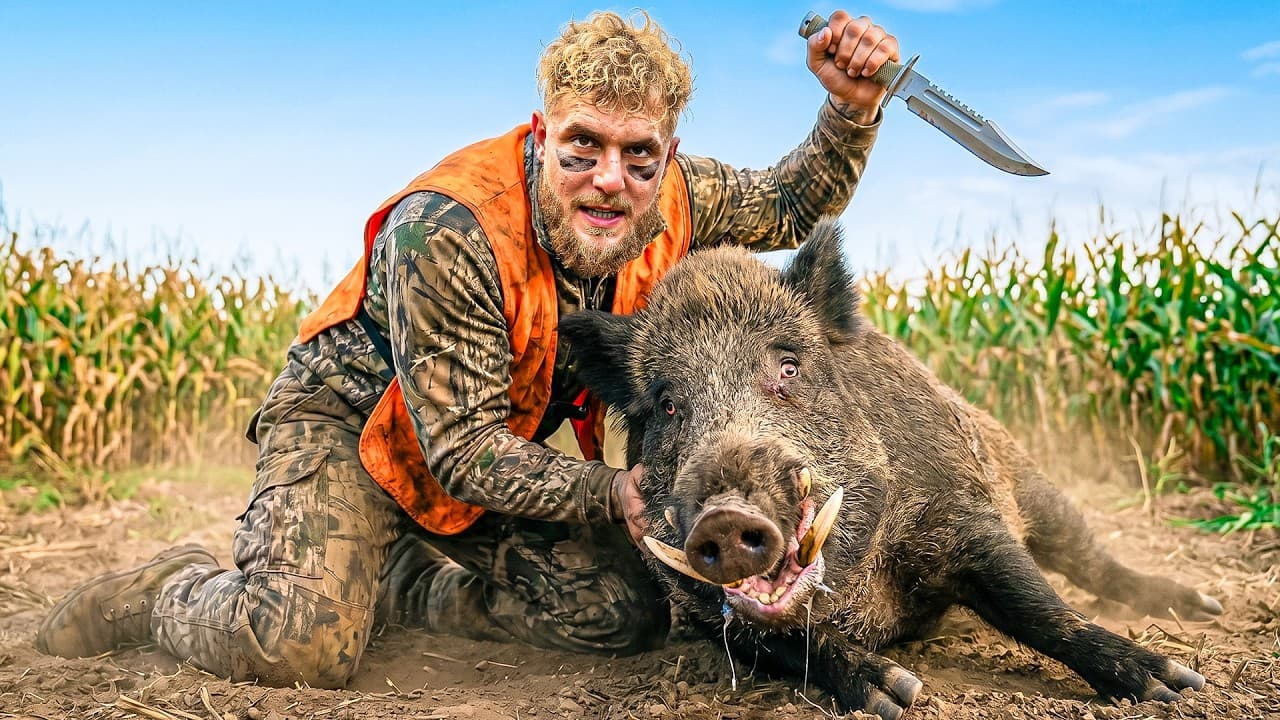
Feral hogs are an invasive species causing significant damage to agriculture and ecosystems in the United States. Hunting them is a method used to control their population and mitigate their impact. This video follows a group using thermal night vision and dogs to track and hunt these hogs, highlighting the process and the reasons behind it.
Transcript
Viewer discretion is advised. >> All right, guys. Welcome to the video. This is a hog hunting video. I got my knife. We're going to stab a hog. We're going thermal night vision hunting right now. We're in a giant corn field. >> All right. This is freaky. >> I don't like this. >> Are we lost, bro? We're lost. Look. Oh my god. Oh. OH. MORNING. >> Wha... Read More
Key Insights
- Feral hogs are an invasive species in the United States, causing billions of dollars in agricultural damage annually.
- Hunting feral hogs helps control their population and mitigate their environmental impact.
- Thermal night vision is used to locate hogs during night hunts, providing a technological edge.
- Dogs are employed in the hunt, equipped with body armor to track and corner the hogs.
- Feral hogs can spread diseases that affect livestock, wildlife, and sometimes humans.
- The hunting process involves using infrared drones to locate hogs before sending in dogs to track them.
- Feral hogs have no natural predators and breed rapidly, exacerbating their impact on the environment.
- Hunting feral hogs is legal and part of broader management efforts involving landowners and wildlife professionals.
Install to Summarize YouTube Videos and Get Transcripts
Explore YouTube Video Summarizer or Get YouTube Transcript Extractor
Questions & Answers
Q: How do feral hogs impact agriculture?
Feral hogs cause significant damage to agriculture by rooting and wallowing, which destroys crops and farmland. They compete with native species for resources and can spread diseases to livestock, leading to economic losses for farmers. Their rapid breeding and lack of natural predators exacerbate these issues, making them a persistent threat.
Q: Why is hunting feral hogs necessary?
Hunting feral hogs is necessary to control their population and mitigate their impact on agriculture and ecosystems. As an invasive species, they cause billions of dollars in damage annually and spread diseases. Hunting helps reduce their numbers and is part of broader management efforts involving wildlife professionals and landowners.
Q: What methods are used in hog hunting?
Hog hunting methods include using thermal night vision and infrared drones to locate hogs, followed by deploying dogs to track and corner them. These technologies provide a significant advantage, allowing hunters to effectively manage hog populations, particularly in challenging environments like dense forests or at night.
Q: What role do dogs play in hog hunting?
Dogs play a crucial role in hog hunting by tracking and cornering the hogs once they have been located using thermal or infrared technology. Equipped with body armor, the dogs are trained to pursue and hold the hogs until hunters can reach them, making the process more efficient and effective.
Q: Are there legal considerations in hog hunting?
Yes, hog hunting is conducted legally and in accordance with all applicable laws and regulations. It is part of a coordinated effort involving landowners, wildlife professionals, and state and federal agencies to manage the environmental and agricultural impacts of feral hogs, which are considered an invasive species.
Q: How do feral hogs spread diseases?
Feral hogs can spread diseases through direct contact with livestock, wildlife, and even humans. They are known carriers of various pathogens that can affect domestic animals and wildlife, leading to health concerns and economic losses. Controlling their population helps reduce the risk of disease transmission.
Q: Why are feral hogs considered invasive?
Feral hogs are considered invasive because they are not native to the United States and cause significant ecological and economic harm. They compete with native wildlife for resources, destroy habitats, and damage crops. Their rapid reproduction and lack of natural predators make them particularly challenging to manage.
Q: What technologies aid in hog hunting?
Technologies aiding in hog hunting include thermal night vision and infrared drones, which help locate hogs in challenging conditions. These tools provide hunters with a strategic advantage, allowing them to track and manage hog populations more effectively, particularly in dense environments or during nighttime hunts.
Summary & Key Takeaways
-
Feral hogs are a significant problem in the United States, causing extensive damage to crops and ecosystems. Hunting them is a necessary measure to control their population. This video showcases a hunt using thermal night vision and dogs, emphasizing the importance of this activity for environmental management.
-
The hunt involves using technology like thermal sights and infrared drones to track hogs, followed by dogs to corner them. This method is part of a legal and coordinated effort to manage the hog population and protect agricultural interests.
-
Feral hogs spread diseases and have no natural predators, making them a growing threat. The video highlights how hunting is not just for sport but a crucial part of controlling this invasive species to prevent further damage to the environment and agriculture.
Read in Other Languages (beta)
Share This Summary 📚
Summarize YouTube Videos and Get Video Transcripts with 1-Click
Try YouTube Summary with ChatGPT & Claude or YouTube Transcript Generator
Explore More Summaries from Paul Family Ranch 📚




Summarize YouTube Videos and Get Video Transcripts with 1-Click
Try YouTube Summary with ChatGPT & Claude or YouTube Transcript Generator