Why Are Affordable Cars Disappearing in the US?
TL;DR
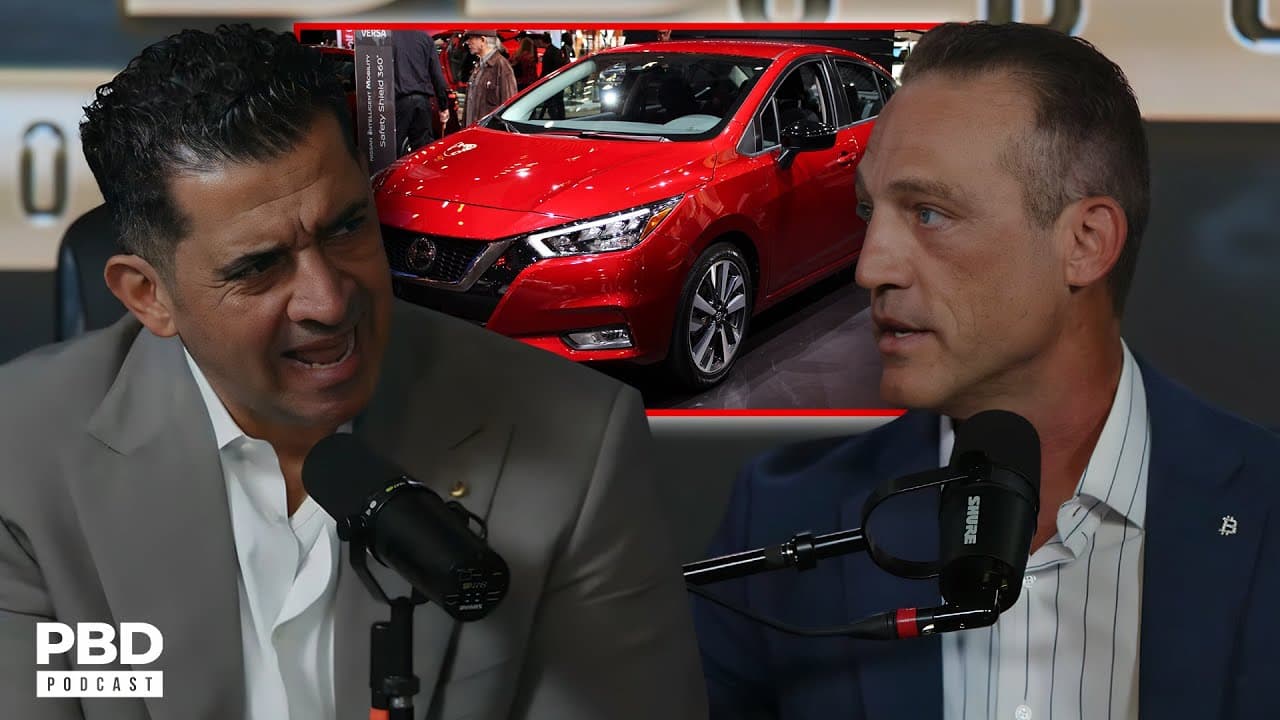
Nissan has canceled the Versa, marking the end of new cars under $20,000 in the US. This shift is driven by thin profit margins, regulatory challenges, and changing consumer habits towards car rentals. The market's focus has shifted to higher-priced vehicles, while regulations and production costs make affordable cars unfeasible.
Transcript
Nissan cancels the Versa. Rob, can you pull up what the Versa was supposed to look like? Nissan Versa, America's last new car for under $20,000 as automakers lean towards wealthier buyers. Okay, so the sub $20,000 car is dead. Nissan has canceled last new car for sale that was supposed to be under 20k. In a statement, the company said, "In line wit... Read More
Key Insights
- Nissan has ended production of the Versa, the last new car under $20,000 in the US.
- Automakers are shifting focus to wealthier buyers and higher-priced vehicles.
- Regulations and production costs make it difficult to produce affordable cars profitably.
- The modern generation is increasingly opting for car rentals over ownership.
- Regulations vary by state, complicating the production and sale of low-cost cars.
- There is demand for affordable cars, but profit margins are too thin for manufacturers.
- Proposals include government incentives to encourage production of affordable cars.
- The rental economy is growing due to high insurance costs and limited parking availability.
Install to Summarize YouTube Videos and Get Transcripts
Explore YouTube Video Summarizer or Get YouTube Transcript Extractor
Questions & Answers
Q: Why are affordable cars disappearing in the US?
Affordable cars are disappearing due to a combination of factors including high production costs, regulatory challenges, and thin profit margins. Automakers find it increasingly difficult to produce low-cost vehicles profitably, leading them to focus on higher-priced models that cater to wealthier buyers.
Q: How do regulations affect the production of affordable cars?
Regulations, both federal and state, impose stringent requirements on vehicle production, affecting safety, emissions, and other standards. These regulations increase production costs, making it challenging for manufacturers to produce affordable cars while maintaining profitability, thereby reducing their presence in the market.
Q: What role does consumer behavior play in the shift towards rental cars?
Consumer behavior is shifting as younger generations increasingly prefer rental services like Uber and Lyft over car ownership. Factors such as high insurance costs, limited parking, and the convenience of ride-sharing contribute to this trend, reducing demand for traditional low-cost vehicles.
Q: What impact do state regulations have on car manufacturing?
State regulations can significantly impact car manufacturing by imposing additional requirements beyond federal standards. These can include stricter emissions and safety standards, which complicate production for automakers and discourage the manufacturing of low-cost vehicles due to increased compliance costs.
Q: Could government incentives make affordable cars viable again?
Government incentives, such as rebates for producing low-cost vehicles, could potentially make affordable cars viable by offsetting production costs. Such incentives would encourage automakers to invest in budget-friendly models, potentially revitalizing the market for affordable cars.
Q: What are the economic implications of a rental-focused car market?
A rental-focused car market could lead to reduced demand for new car purchases, impacting automakers' traditional business models. It may also affect industries related to car ownership, such as insurance and maintenance, while increasing the importance of ride-sharing and rental service providers.
Q: How does the cost of materials affect car prices?
The cost of materials, such as steel and copper, directly affects car prices by increasing production expenses. As material costs rise, manufacturers face higher expenses, which are often passed on to consumers, making it difficult to maintain affordable pricing for new vehicles.
Q: What are the challenges in producing low-cost cars profitably?
Producing low-cost cars profitably is challenging due to high production costs, stringent regulations, and thin profit margins. Automakers struggle to balance these factors while maintaining quality and compliance, leading many to abandon the low-cost segment in favor of more lucrative higher-priced models.
Summary & Key Takeaways
-
Nissan's decision to cancel the Versa signals the end of sub-$20,000 new cars in the US. This trend is driven by high production costs and regulations, making it unprofitable to manufacture affordable vehicles. As a result, automakers focus on more expensive models, contributing to the rise of a rental economy.
-
The automotive market is experiencing a shift as regulations and thin profit margins push manufacturers to abandon low-cost vehicles. Consumers, especially younger generations, are increasingly turning to car rentals and ride-sharing services due to affordability and convenience, reshaping traditional car ownership models.
-
Regulatory challenges and production expenses are key factors in the disappearance of affordable cars. State-specific regulations further complicate the issue, limiting manufacturers' ability to produce budget-friendly vehicles. This has led to discussions on potential government interventions to incentivize the production of affordable cars.
Read in Other Languages (beta)
Share This Summary 📚
Summarize YouTube Videos and Get Video Transcripts with 1-Click
Try YouTube Summary with ChatGPT & Claude or YouTube Transcript Generator
Explore More Summaries from Valuetainment 📚






Summarize YouTube Videos and Get Video Transcripts with 1-Click
Try YouTube Summary with ChatGPT & Claude or YouTube Transcript Generator