How to Apply Ecological Theory in Volleyball Coaching
TL;DR
The ecological approach to volleyball coaching emphasizes variability in practice to enhance adaptability and skill acquisition. Unlike traditional methods focusing on repetition of a single correct technique, this approach encourages athletes to explore and adapt to changing conditions. By incorporating variability early, coaches can foster problem-solving skills and adaptability in athletes, leading to more consistent performance outcomes.
Transcript
hi everyone this is rob gray from arizona state university in the perception action podcast and what i want to do in this presentation is to talk about applying an ecological approach to volleyball practice design and coaching and i'm going to actually do this in two parts in this first part i want to lay out kind of the the ecological approach you... Read More
Key Insights
- The ecological approach to coaching emphasizes variability in practice to promote adaptability.
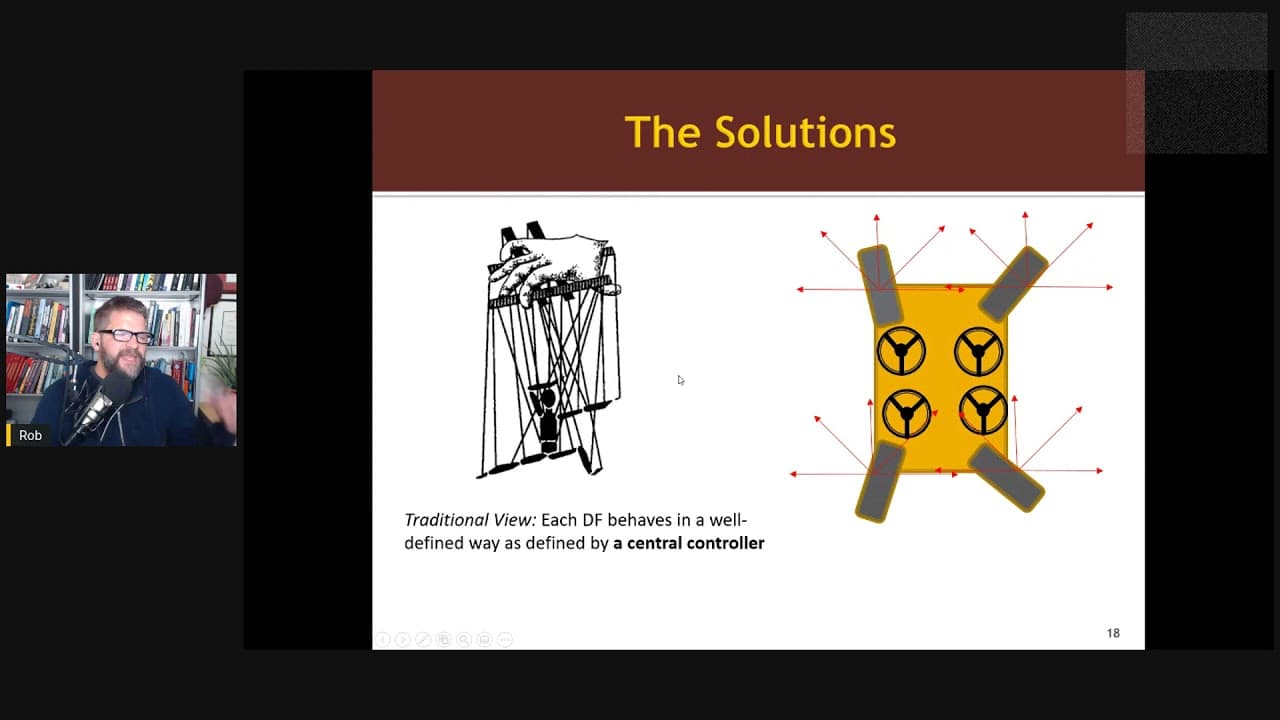
- Traditional coaching focuses on repetition of a single correct technique, viewing movement variability as noise.
- Ecological coaching encourages athletes to explore and adapt to changing conditions from the start.
- Variability in practice should be introduced early to foster problem-solving skills.
- The ecological approach aims for consistent performance outcomes through adaptable movements.
- Bernstein's theory of 'repetition without repetition' supports the use of varied movements in skill acquisition.
- Coordinative structures allow athletes to self-organize movements to meet task constraints.
- Research shows experts use more movement variability and less rigid coupling compared to novices.
Install to Summarize YouTube Videos and Get Transcripts
Explore YouTube Video Summarizer or Get YouTube Transcript Extractor
Questions & Answers
Q: What is the ecological approach to volleyball coaching?
The ecological approach to volleyball coaching emphasizes incorporating variability in practice to enhance athletes' adaptability and problem-solving skills. Unlike traditional methods that focus on repeating a single correct technique, this approach encourages athletes to explore different movement solutions and adapt to changing conditions. By introducing variability early, athletes can achieve consistent performance outcomes through adaptable movements rather than rigid repetition.
Q: How does variability in practice benefit volleyball players?
Variability in practice benefits volleyball players by fostering adaptability and problem-solving skills. When players are exposed to different conditions and encouraged to explore various movement solutions, they become better equipped to handle the dynamic nature of the sport. This approach helps players achieve consistent performance outcomes by developing adaptable movements, rather than relying on rigid repetition of a single technique.
Q: Why is early introduction of variability important in ecological coaching?
Early introduction of variability in ecological coaching is important because it allows athletes to develop problem-solving skills and adaptability from the start. By exposing players to different conditions and encouraging exploration of movement solutions early on, they become more adept at adjusting to the dynamic nature of volleyball. This approach leads to consistent performance outcomes through adaptable movements, rather than relying on rote repetition of a single technique.
Q: How does the ecological approach differ from traditional coaching methods?
The ecological approach differs from traditional coaching methods by emphasizing variability and adaptability in practice rather than repetition of a single correct technique. Traditional methods view movement variability as noise and focus on achieving consistent outcomes through repetition. In contrast, the ecological approach encourages athletes to explore different movement solutions and adapt to changing conditions, leading to consistent performance outcomes through adaptable movements.
Q: What is Bernstein's theory of 'repetition without repetition'?
Bernstein's theory of 'repetition without repetition' suggests that skill acquisition involves using varied movements to adapt to changing conditions, rather than repeating a single correct technique. This theory supports the ecological approach to coaching, which emphasizes variability in practice to enhance adaptability and problem-solving skills. By encouraging athletes to explore different movement solutions, they can achieve consistent performance outcomes through adaptable movements.
Q: What are coordinative structures in volleyball coaching?
Coordinative structures in volleyball coaching refer to the linkage between body segments and joints that are constrained to function as a unit. This concept is part of the ecological approach, allowing athletes to self-organize movements to meet task constraints. By using coordinative structures, athletes can achieve consistent performance outcomes through adaptable movements, rather than relying on rigid repetition of a single technique specified by a motor program.
Q: How do experts differ from novices in movement variability?
Experts differ from novices in movement variability by using a broader range of available movement solutions and less rigid coupling between joints. Research shows that experts demonstrate greater adaptability and skill by employing varied movements, allowing them to adjust to changing conditions more effectively. In contrast, novices tend to rely on more rigid and repetitive movement patterns, limiting their adaptability and performance consistency.
Q: What research supports the ecological approach to volleyball coaching?
Research supporting the ecological approach to volleyball coaching includes studies showing that experts use more movement variability and less rigid coupling between joints compared to novices. This adaptability allows experts to achieve consistent performance outcomes through varied movements. Additionally, studies highlight the importance of introducing variability early in practice to develop problem-solving skills and adaptability, aligning with Bernstein's theory of 'repetition without repetition.'
Summary & Key Takeaways
-
The ecological approach to volleyball coaching focuses on incorporating variability into practice sessions to enhance athletes' adaptability and problem-solving skills. Unlike traditional methods that emphasize repetition of a single technique, this approach encourages athletes to explore different movement solutions to adapt to changing conditions. By doing so, athletes can achieve consistent performance outcomes through adaptable movements rather than rigid repetition.
-
Variability is introduced early in the ecological approach, allowing athletes to develop skills in problem-solving and adaptability. This method contrasts with traditional approaches that view movement variability as noise and focus on repetition to achieve consistent outcomes. The ecological approach is supported by Bernstein's theory of 'repetition without repetition,' which advocates for varied movements in skill acquisition.
-
Research highlights that experts in volleyball use more movement variability and less rigid coupling between joints compared to novices. Experts demonstrate a broader use of available movement solutions, indicating greater adaptability and skill. The ecological approach leverages coordinative structures, enabling athletes to self-organize movements to meet task constraints, ultimately leading to improved performance.
Read in Other Languages (beta)
Share This Summary 📚
Summarize YouTube Videos and Get Video Transcripts with 1-Click
Try YouTube Summary with ChatGPT & Claude or YouTube Transcript Generator
Explore More Summaries from Rob Gray 📚

Summarize YouTube Videos and Get Video Transcripts with 1-Click
Try YouTube Summary with ChatGPT & Claude or YouTube Transcript Generator