How to Coach Volleyball with an Ecological Approach
TL;DR
Kasey Crider, head volleyball coach at UMBC, shares his journey from using an information processing approach to adopting an ecological approach in coaching. He emphasizes the importance of understanding scientific theories, integrating them into practice, and maintaining a focus on athlete development and performance. Crider highlights the value of intuition and the need for a supportive coaching environment.
Transcript
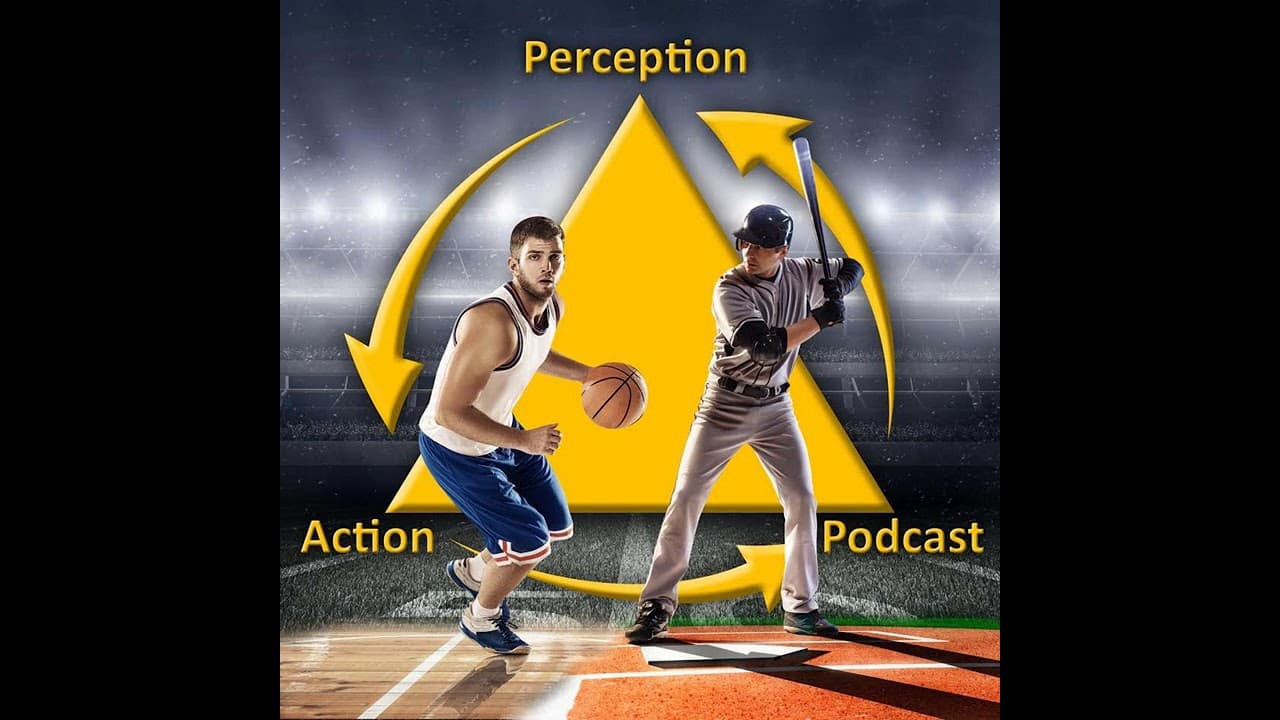
today on the perception and action podcast my interview with Casey Kreider head volleyball coach at the University of Maryland Baltimore County discussing his journey from an information processing to an ecological approach to coaching volleyball so it's time for a call to action hi this is Rob Gray from Arizona State University I've been on now ov... Read More
Key Insights
- Kasey Crider transitioned from an information processing approach to an ecological approach in coaching volleyball.
- The ecological approach emphasizes direct perception and specifying information over traditional instruction.
- Crider's coaching journey was influenced by prominent figures in volleyball who valued academic rigor.
- He faced challenges in aligning his coaching methods with his evolving understanding of motor learning science.
- A supportive coaching environment at Miami allowed Crider to explore and implement ecological methods.
- Crider emphasizes the importance of understanding scientific theories and adapting them to specific contexts.
- He advocates for engaging with academic researchers to deepen understanding of coaching methods.
- Crider values intuition and the role of experience in shaping effective coaching practices.
Install to Summarize YouTube Videos and Get Transcripts
Explore YouTube Video Summarizer or Get YouTube Transcript Extractor
Questions & Answers
Q: How did Kasey Crider transition to an ecological approach in coaching?
Kasey Crider transitioned to an ecological approach by exploring scientific theories and integrating them into his coaching practice. He was influenced by prominent figures in volleyball who valued academic rigor, and he engaged with researchers like Keith Davids to deepen his understanding. This transition was supported by a coaching environment at Miami that allowed him to experiment and adapt new methods.
Q: What is the ecological approach in volleyball coaching?
The ecological approach in volleyball coaching emphasizes direct perception and specifying information over traditional instruction and feedback. It focuses on the relationship between the athlete and the environment, encouraging exploration and adaptation. This approach contrasts with information processing models that rely on cognitive stages and memory-based concepts.
Q: Why is understanding scientific theories important in coaching?
Understanding scientific theories is important in coaching because it provides a foundation for developing effective methods and practices. It allows coaches to integrate evidence-based principles into their approach, leading to improved athlete development and performance. Engaging with academic research helps coaches adapt theories to their specific contexts and challenges conventional methods.
Q: How did Crider's coaching environment at Miami support his transition?
Crider's coaching environment at Miami supported his transition by providing him with the freedom to explore and implement ecological methods without strict oversight. His head coach, Keno Gandara, believed in his potential and allowed him to experiment with practice plans and activities. This supportive environment enabled Crider to refine his approach and gain confidence in his methods.
Q: What role does intuition play in Crider's coaching philosophy?
Intuition plays a significant role in Crider's coaching philosophy as it helps him navigate the complexities of coaching and adapt methods to specific situations. While he values scientific theories, he also recognizes the importance of experience and intuition in shaping effective practices. He believes that intuition complements scientific understanding, leading to better decision-making and athlete development.
Q: How did Crider overcome challenges in aligning his coaching methods?
Crider overcame challenges in aligning his coaching methods by engaging with academic researchers and continuously questioning and refining his approach. He faced doubts and insecurities but remained committed to exploring ecological theories and integrating them into practice. His supportive coaching environment and willingness to adapt helped him navigate these challenges and improve his methods.
Q: What impact did the ecological approach have on Miami's volleyball performance?
The ecological approach had a significant impact on Miami's volleyball performance, leading to one of the best seasons in program history. By implementing ecological methods, Crider and his team improved their RPI ranking and won an NCAA tournament match. The approach contributed to enhanced athlete development and performance, validating the effectiveness of the ecological methods in practice.
Q: Why does Crider advocate for engaging with academic researchers?
Crider advocates for engaging with academic researchers because they provide valuable insights and a deeper understanding of coaching methods. Researchers like Keith Davids have devoted their careers to studying motor learning theories, and their expertise helps coaches like Crider integrate evidence-based practices effectively. Engaging with researchers bridges the gap between theory and practice, leading to more informed coaching decisions.
Summary & Key Takeaways
-
Kasey Crider shares his journey from an information processing to an ecological approach in volleyball coaching. He emphasizes the importance of understanding scientific theories and integrating them into practice, highlighting the role of intuition and experience in shaping effective coaching methods. Crider's transition was supported by a coaching environment that encouraged exploration and adaptation of new ideas.
-
Crider's coaching philosophy evolved through exposure to academic rigor and the influence of prominent figures in volleyball coaching. He faced challenges in aligning his methods with his understanding of motor learning science but found success in implementing ecological approaches at Miami, leading to significant improvements in team performance.
-
The ecological approach focuses on direct perception and specifying information, moving away from traditional instruction. Crider advocates for engaging with academic researchers to deepen understanding and emphasizes the importance of adapting scientific theories to specific coaching contexts. His journey highlights the value of a supportive environment and the role of intuition in effective coaching.
Read in Other Languages (beta)
Share This Summary 📚
Summarize YouTube Videos and Get Video Transcripts with 1-Click
Try YouTube Summary with ChatGPT & Claude or YouTube Transcript Generator
Explore More Summaries from Rob Gray 📚

Summarize YouTube Videos and Get Video Transcripts with 1-Click
Try YouTube Summary with ChatGPT & Claude or YouTube Transcript Generator